- 01How Does Steam Cleaning Work?
- 02What Are the Benefits of Steam Cleaning?
- 03Where Can Businesses Use Steam Cleaning?
- 04What Surfaces Can You Steam Clean?
- 05Is Steam Cleaning the Same as Disinfecting?
- 06Steam Cleaning vs. Traditional Cleaning
- 07How Often Should a Business Schedule Steam Cleaning?
- 08How Can You Choose a Commercial Steam Cleaning Service?
- 09Frequently Asked Questions About Steam Cleaning
- 10Conclusion
Key Takeaways
- Steam cleaning uses heat and moisture to loosen dirt and residue from compatible surfaces.
- It can help clean tile, grout, and other heat-resistant materials when the equipment is suitable for the surface.
- Steam cleaning may reduce the need for some cleaning chemicals, but it does not remove the need for every cleaning product or disinfectant.
- Surface compatibility matters because heat and moisture can damage wood, delicate finishes, electronics, and other sensitive materials.
- Commercial facilities should choose cleaning methods based on surface type, hygiene requirements, foot traffic, and manufacturer instructions.
Steam cleaning is a cleaning method that uses heated water vapor to loosen dirt, grease, stains, and residue from suitable surfaces. Businesses use steam cleaning to support deep cleaning in areas such as restrooms, kitchens, floors, and other hard surfaces, depending on the equipment and surface requirements.
How Does Steam Cleaning Work?
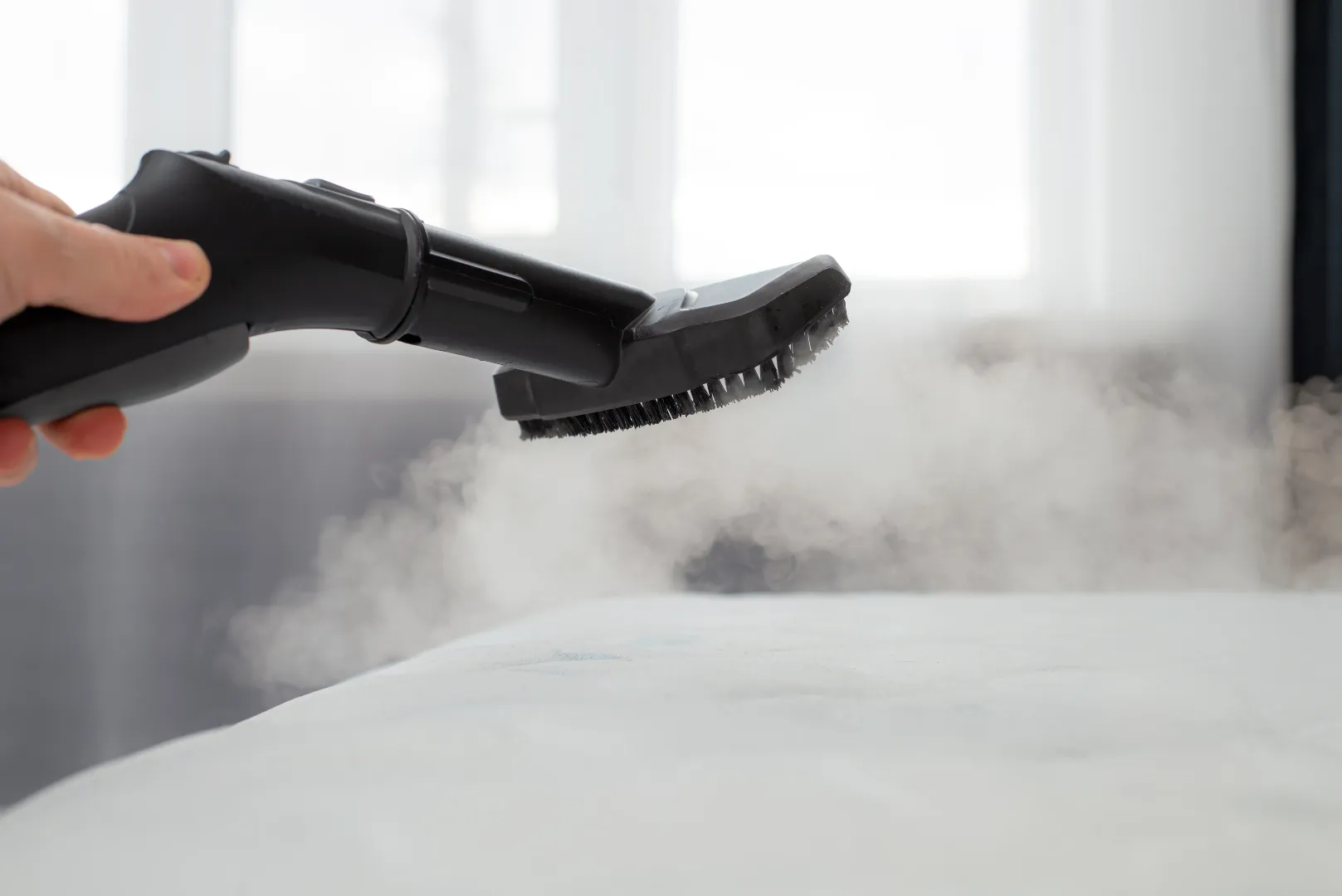
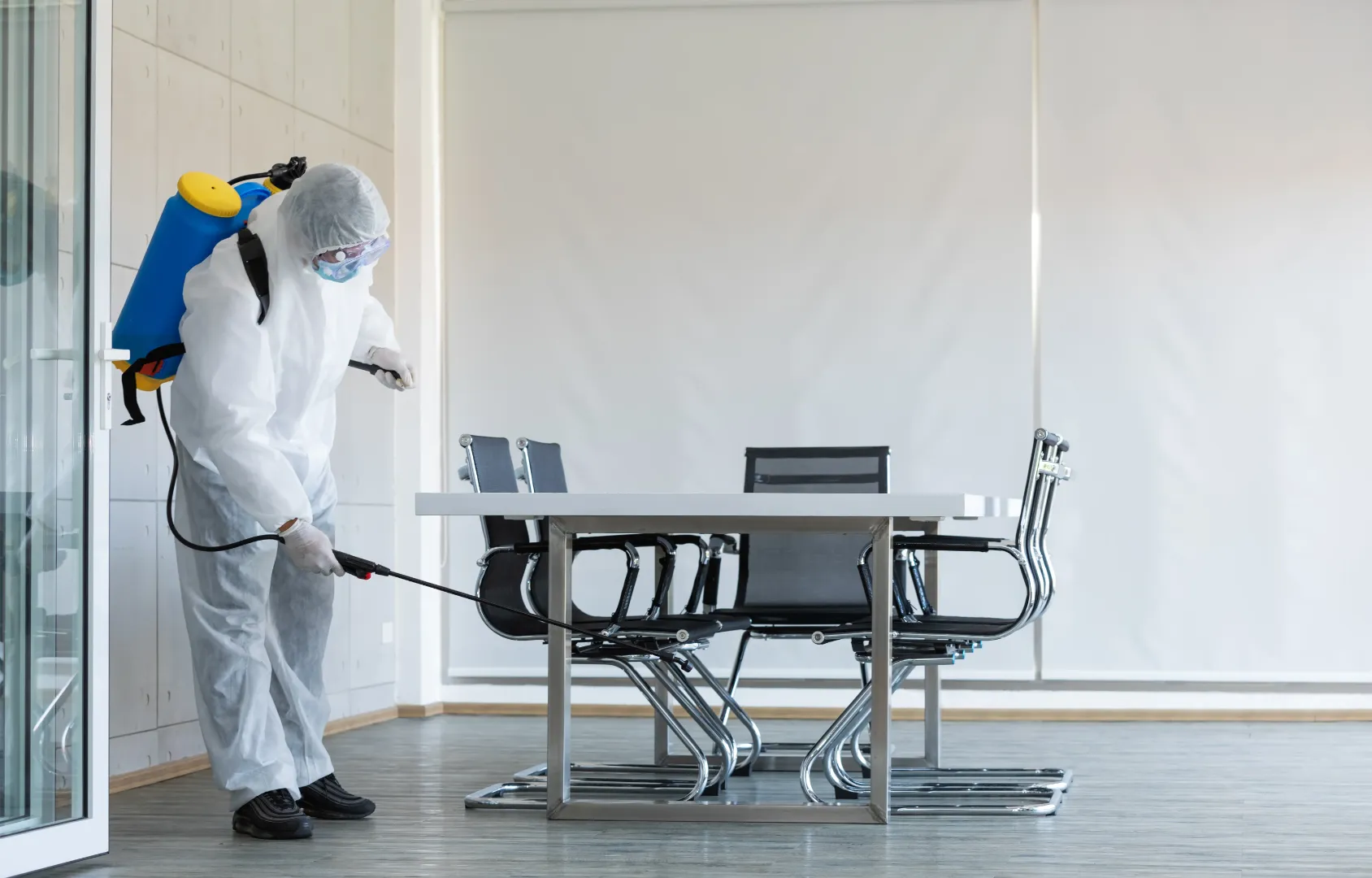
Steam cleaning equipment heats water and releases steam through a nozzle, brush, or cleaning attachment. The heat and moisture help loosen dirt, grease, and residue so a trained cleaner can remove them from the surface.
The exact process depends on the equipment. Some machines produce dry steam with lower moisture content, while others release more moisture. Some models also use cloths, brushes, or extraction systems to collect loosened soil.
Here is how the process generally works.
Step 1. Prepare the Surface
The cleaner removes loose debris and checks the surface material. This step helps prevent dirt from spreading during cleaning. It also allows the cleaner to identify areas that may not tolerate heat or moisture.
Step 2. Apply Steam
The cleaner directs steam over a suitable surface. Heat and moisture loosen buildup, including some grease and residue. The operator adjusts the method based on the surface and the equipment instructions.
Step 3. Remove Loosened Dirt
Steam can loosen soil, but the dirt still needs to be removed. A cleaner may use a microfiber cloth, brush, or approved extraction method to collect the residue.
Step 4. Allow the Surface to Dry
The surface must dry before people use the area again. Drying time depends on the material, the amount of moisture applied, airflow, and room conditions. Staff should use wet-floor signs and keep people away from damp areas when needed.
What Are the Benefits of Steam Cleaning?
Steam cleaning can support certain commercial cleaning tasks. Its value depends on the surface, soil level, equipment, and cleaning objective.
1. Helps Loosen Stubborn Dirt and Grease
Heat can soften some grease and stuck-on residue. This can help cleaners address buildup around suitable tile surfaces, grout lines, and other compatible materials.
Steam may not remove every stain. Some deposits need a surface-approved cleaning product or a different cleaning method.
2. May Reduce the Need for Some Chemicals
Steam cleaning can use heated water to loosen soil without requiring a cleaning chemical for every task. This may help reduce chemical use in suitable applications.
However, steam cleaning is not always chemical-free. Some jobs need a compatible cleaning solution to remove particular soils. Disinfection requirements may also call for an approved product.
3. Supports Detailed Cleaning in Hard-to-Reach Areas
Suitable attachments can help cleaners reach corners, grout lines, and narrow spaces. These areas can collect dirt when routine cleaning does not reach them properly.
The attachment must be suitable for the surface. Operators should avoid directing steam toward electrical components, unsealed joints, or materials that may be damaged by heat or moisture.
4. Can Support a Planned Deep-Cleaning Program
Businesses can include steam cleaning in a broader maintenance schedule when the method fits the surface and cleaning goal. For example, a facility may schedule detailed cleaning for selected tile and grout areas while continuing routine floor care throughout the week.
Steam cleaning should support a cleaning plan, not replace every regular cleaning task.
Where Can Businesses Use Steam Cleaning?
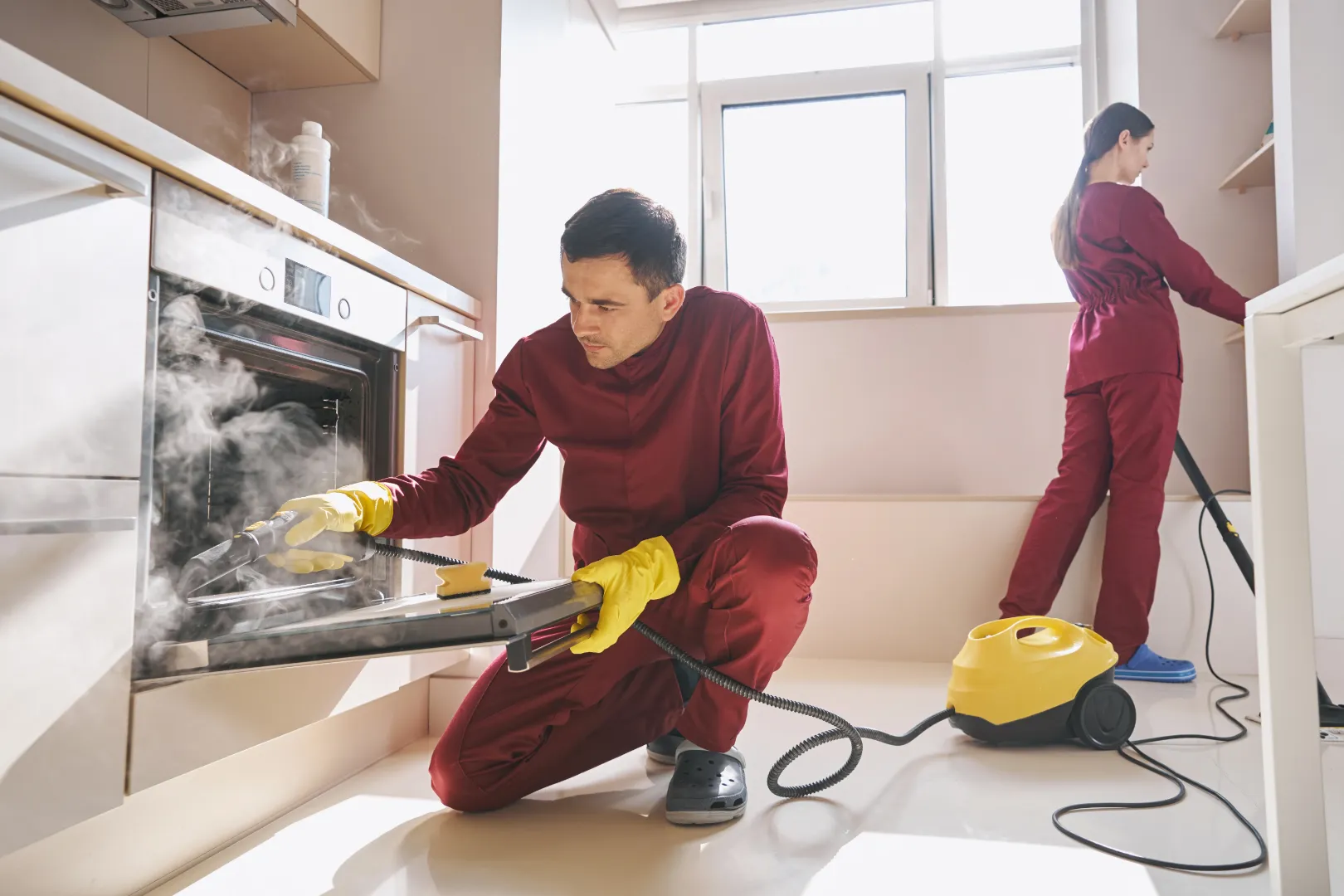
Steam cleaning can work in several commercial environments. The correct method depends on the surface material and the cleaning requirements of each area.
Offices and Commercial Buildings
Some offices have tile floors, restroom surfaces, and other compatible hard materials that may benefit from periodic detailed cleaning. Steam cleaning may help loosen dirt in selected areas.
Office managers should check the manufacturer’s instructions before using steam on flooring, furniture, wall finishes, or equipment. Avoid applying steam to computers, monitors, power outlets, and other electrical items.
Restrooms and Washrooms
Restrooms can develop buildup around suitable tile, grout, and other heat-resistant surfaces. Steam may help loosen residue in these areas.
A steam cleaning process does not automatically disinfect a restroom. If disinfection is required, staff must follow the facility’s hygiene procedures and use a suitable disinfectant according to its label.
Commercial Kitchens and Food Service Areas
Grease and food residue can collect on suitable hard surfaces in commercial kitchens. Steam cleaning may help loosen some buildup in approved areas.
Food service facilities must follow their sanitation requirements. Staff should prevent moisture from entering electrical equipment, protect food and food-contact items, and use approved cleaning and sanitizing methods where required.
Schools and Educational Facilities
Schools have busy classrooms, restrooms, cafeterias, and shared spaces. Steam cleaning may be useful for selected compatible surfaces as part of scheduled deep cleaning.
Cleaning teams should plan work around school hours and allow surfaces to dry before students and staff return. High-touch surfaces still need regular cleaning based on the facility’s requirements.
Healthcare and Medical Facilities
Healthcare facilities must follow specific cleaning and disinfection procedures. Steam should not replace the facility’s approved process for patient-care surfaces or medical equipment.
Before using steam in a medical setting, facility managers should confirm that the method is permitted for the intended surface and consistent with infection prevention procedures. Some equipment and materials require specific products and processes.
What Surfaces Can You Steam Clean?
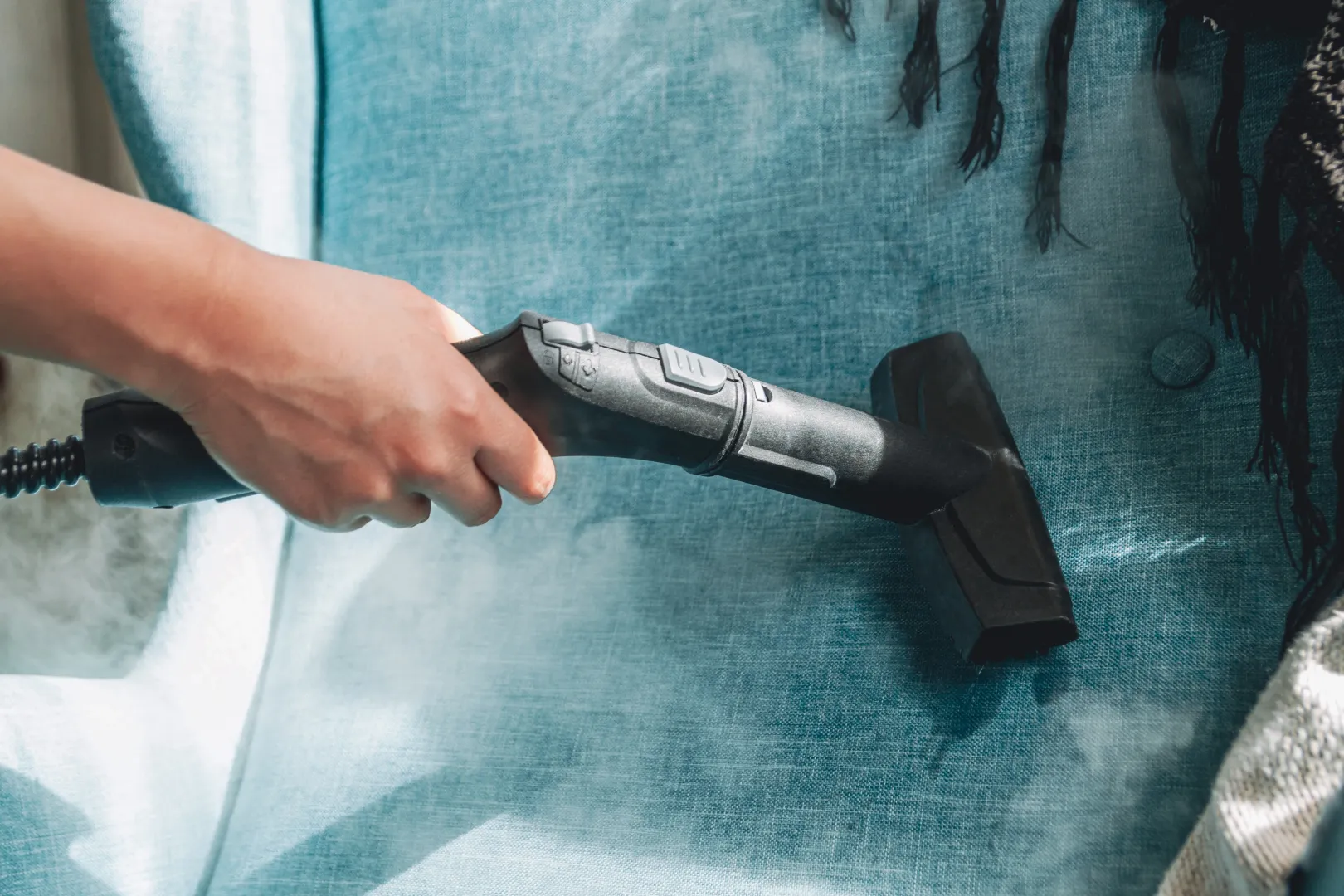
Steam cleaning is generally best suited to compatible, heat-resistant surfaces. Always check the surface and equipment manufacturer’s instructions before starting.
Surfaces That May Be Suitable
Depending on the material and its condition, steam cleaning may be suitable for:
- Ceramic tile and some sealed grout.
- Certain heat-resistant hard floors.
- Some metal surfaces.
- Selected washable, nonporous surfaces.
- Certain areas where grease or residue has accumulated.
Suitability depends on the finish, sealant, joints, and cleaning equipment. Test an inconspicuous area when the manufacturer permits testing.
Surfaces That Need Extra Care
Avoid using steam on a surface unless its manufacturer confirms that the method is safe. Materials that may be damaged include:
- Unsealed wood and some engineered wood flooring.
- Surfaces with wax coatings or heat-sensitive finishes.
- Some natural stone, depending on the sealant and installation.
- Painted or laminated materials that may peel or separate.
- Delicate fabrics and upholstery.
- Electronics, electrical outlets, and sensitive equipment.
Excess heat or moisture can cause swelling, discoloration, finish damage, or electrical hazards. When compatibility is uncertain, choose another cleaning method.
Is Steam Cleaning the Same as Disinfecting?
No. Steam cleaning and disinfection are different processes. Steam cleaning uses heated water vapor to loosen soil, while disinfection uses an appropriate process or product to kill specified germs on a surface.
The effectiveness of steam depends on factors such as temperature, exposure time, the equipment, and the surface. You should not assume that every steam cleaning machine kills every type of germ.
The Centers for Disease Control and Prevention recommends cleaning surfaces before disinfecting them when disinfection is needed. For commercial facilities, the correct process depends on the setting, the level of contamination, and applicable requirements.
If your facility needs disinfection, follow its approved procedures. Use an EPA-registered product when required, and follow the product label for the intended surface and contact time.
Steam Cleaning vs. Traditional Cleaning
Both methods can help maintain a clean facility, but they serve different purposes.
Traditional Cleaning
Traditional cleaning usually involves tools such as microfiber cloths, mops, brushes, detergents, and surface-approved cleaning products. It works well for routine dust, dirt, spills, and daily maintenance.
It also allows staff to follow established disinfection procedures when a suitable product is needed.
Steam Cleaning
Steam cleaning uses heated water vapor to loosen dirt and residue from compatible surfaces. It may be useful for selected deep-cleaning tasks, especially where heat and moisture can be applied safely.
However, it may not suit every surface or type of soil. Some tasks still require detergents, manual scrubbing, extraction, or a specific disinfectant.
Which Method Should Your Business Choose?
Choose the method based on the surface and the result you need.
- For daily dust, spills, and routine floor care, use an appropriate standard cleaning method.
- For suitable tile and grout with stubborn buildup, consider steam cleaning if the manufacturer permits it.
- For required disinfection, follow the facility’s approved procedures and product instructions.
- For delicate materials, electronics, or surfaces that may react to heat and moisture, use a compatible alternative.
Many facilities benefit from combining different methods in one planned cleaning program.
How Often Should a Business Schedule Steam Cleaning?
There is no single schedule that works for every business. The right frequency depends on foot traffic, the type of soil, surface material, and the purpose of the cleaning.
A busy restroom may need frequent routine cleaning and periodic detailed attention to compatible surfaces. A low-traffic office may need less frequent deep cleaning. A commercial kitchen may require more frequent grease removal because of its daily operations.
Use these factors to set a schedule:
- Foot traffic: High-traffic areas often collect dirt more quickly.
- Surface type: Some materials tolerate steam better than others.
- Soil level: Grease, mineral deposits, and embedded residue may need a different cleaning approach.
- Operating hours: Plan cleaning when areas can remain closed until dry.
- Hygiene requirements: Healthcare and food service facilities may have specific procedures to follow.
Review the schedule regularly and adjust it when conditions change.
How Can You Choose a Commercial Steam Cleaning Service?
Before hiring a commercial cleaning provider, confirm that the company understands your facility and the limits of steam cleaning.
1. Ask About Surface Compatibility
A professional cleaner should identify the materials in your facility before choosing a method. Ask how the team will protect delicate finishes, flooring, and equipment.
2. Confirm Training and Safety Procedures
Steam equipment produces heat that can cause burns. Ask whether the team is trained to operate the equipment, use appropriate protective equipment, control access to wet areas, and follow manufacturer instructions.
3. Discuss Your Cleaning Requirements
Explain which areas need attention, what type of buildup is present, and whether your facility has disinfection or sanitation requirements. A cleaning provider should distinguish between removing soil and disinfecting a surface.
4. Request a Clear Scope of Work
Ask for a written scope that identifies the surfaces to be cleaned, the planned method, preparation requirements, and any drying or access restrictions. This helps you understand what the service includes before work begins.
Absolute Hygiene Commercial Solutions provides commercial cleaning services for businesses across South Florida, including offices, healthcare facilities, educational buildings, retail properties, and warehouses. You can discuss your facility’s cleaning needs with the team and determine which methods are suitable for your space.
Frequently Asked Questions About Steam Cleaning
1. What Is Steam Cleaning Used For?
Steam cleaning uses heated water vapor to loosen dirt, grease, and residue from compatible surfaces. Businesses may use it for selected tile, grout, and other heat-resistant areas.
2. Does Steam Cleaning Kill Bacteria?
Steam may affect some microorganisms when the required temperature and exposure conditions are achieved. Results vary by equipment, surface, and application. Do not assume that steam cleaning provides complete disinfection.
3. Is Steam Cleaning Better Than Mopping?
It depends on the task. Mopping works well for routine floor maintenance, while steam cleaning may help with certain stubborn deposits on compatible surfaces. Neither method is the best choice for every material or cleaning requirement.
4. Can You Use Steam Cleaning on All Floors?
No. Some tile and sealed hard surfaces may tolerate steam, while unsealed wood, certain engineered floors, and heat-sensitive finishes may be damaged. Check the flooring manufacturer’s instructions before using steam.
5. Does Steam Cleaning Require Chemicals?
Not always. Some steam cleaning tasks use only heated water. Other jobs may require a compatible cleaning product or a separate disinfectant, depending on the soil and hygiene requirements.
6. How Long Does a Surface Take to Dry After Steam Cleaning?
Drying time depends on the surface, the amount of moisture applied, room temperature, and airflow. Follow the equipment instructions and keep people away from wet floors until they are safe to use.
7. Can Steam Cleaning Remove Grease?
Steam can help loosen some grease on compatible surfaces. Heavy buildup may require an approved degreaser and additional cleaning. Always follow food safety procedures in commercial kitchens.
8. Is Steam Cleaning Safe for Healthcare Facilities?
It depends on the surface and the facility’s infection prevention procedures. Healthcare facilities should use approved cleaning and disinfection methods and confirm that steam is permitted before applying it to patient-care surfaces or equipment.
9. How Often Should Commercial Spaces Be Steam Cleaned?
There is no universal schedule. Frequency depends on foot traffic, surface type, soil levels, and the facility’s operating requirements. Use steam cleaning only where it is appropriate, and maintain regular cleaning between deep-cleaning visits.
10. Can Steam Cleaning Damage Surfaces?
Yes. Heat and moisture may damage wood, coatings, adhesives, delicate fabrics, and sensitive equipment. Check manufacturer instructions and test a small, hidden area when permitted.
11. Does Steam Cleaning Remove Mold?
Steam cleaning should not be treated as a complete mold remediation method. Mold problems require attention to the moisture source and the affected materials. Follow appropriate remediation guidance when mold is present.
12. How Do I Know If My Business Needs Steam Cleaning?
Consider steam cleaning if compatible surfaces have stubborn residue that routine cleaning does not remove. A commercial cleaning assessment can help identify the appropriate method and determine whether another process would work better.
Conclusion
Steam cleaning uses heated water vapor to loosen dirt, grease, and residue from suitable surfaces. It can support deep cleaning in commercial facilities, particularly in selected areas with compatible tile, grout, and hard materials.
However, steam cleaning is not suitable for every surface and does not automatically replace disinfection. Businesses should consider material compatibility, safety, drying time, and hygiene requirements before choosing this method.
For a reliable cleaning plan, assess your facility’s surfaces, traffic levels, and maintenance needs. Absolute Hygiene Commercial Solutions can help South Florida businesses review their commercial cleaning requirements and select suitable services for their spaces.