- 01How Does Electrostatic Cleaning Work?
- 02What Is the Purpose of Electrostatic Cleaning?
- 03Is Electrostatic Cleaning the Same as Disinfection?
- 04Where Is Electrostatic Cleaning Used?
- 05What Are the Benefits?
- 06Does Electrostatic Cleaning Kill Germs?
- 07Does Electrostatic Cleaning Replace Traditional Cleaning?
- 08Is Electrostatic Spraying Recommended by the CDC?
- 09What Products Can Be Used With an Electrostatic Sprayer?
- 10Is Electrostatic Cleaning Safe?
- 11How Long Does Electrostatic Cleaning Take?
- 12What Should You Ask a Cleaning Company?
- 13Is Electrostatic Cleaning Worth It?
- 14Frequently Asked Questions
- 15Conclusion
Key Takeaways
- Electrostatic cleaning uses charged droplets to apply cleaning or disinfecting solutions to surfaces more efficiently than traditional spraying.
- The sprayer does not kill germs by itself. The disinfectant being applied must be approved for the intended use and followed according to its label.
- It does not replace regular cleaning. Dirty or heavily soiled surfaces may need to be cleaned before applying a disinfectant.
- Not every disinfectant is suitable for electrostatic spraying. Always check the EPA-approved product label and equipment instructions before use.
- Proper application matters. Contact time, surface compatibility, safety precautions, and correct equipment use all affect how well the process works.
Cleaning a large building is not always as simple as spraying a surface and wiping it down. Offices, schools, healthcare facilities, gyms, hotels, and other commercial spaces can have hundreds or even thousands of surfaces that need regular attention.
This is where electrostatic cleaning comes in.
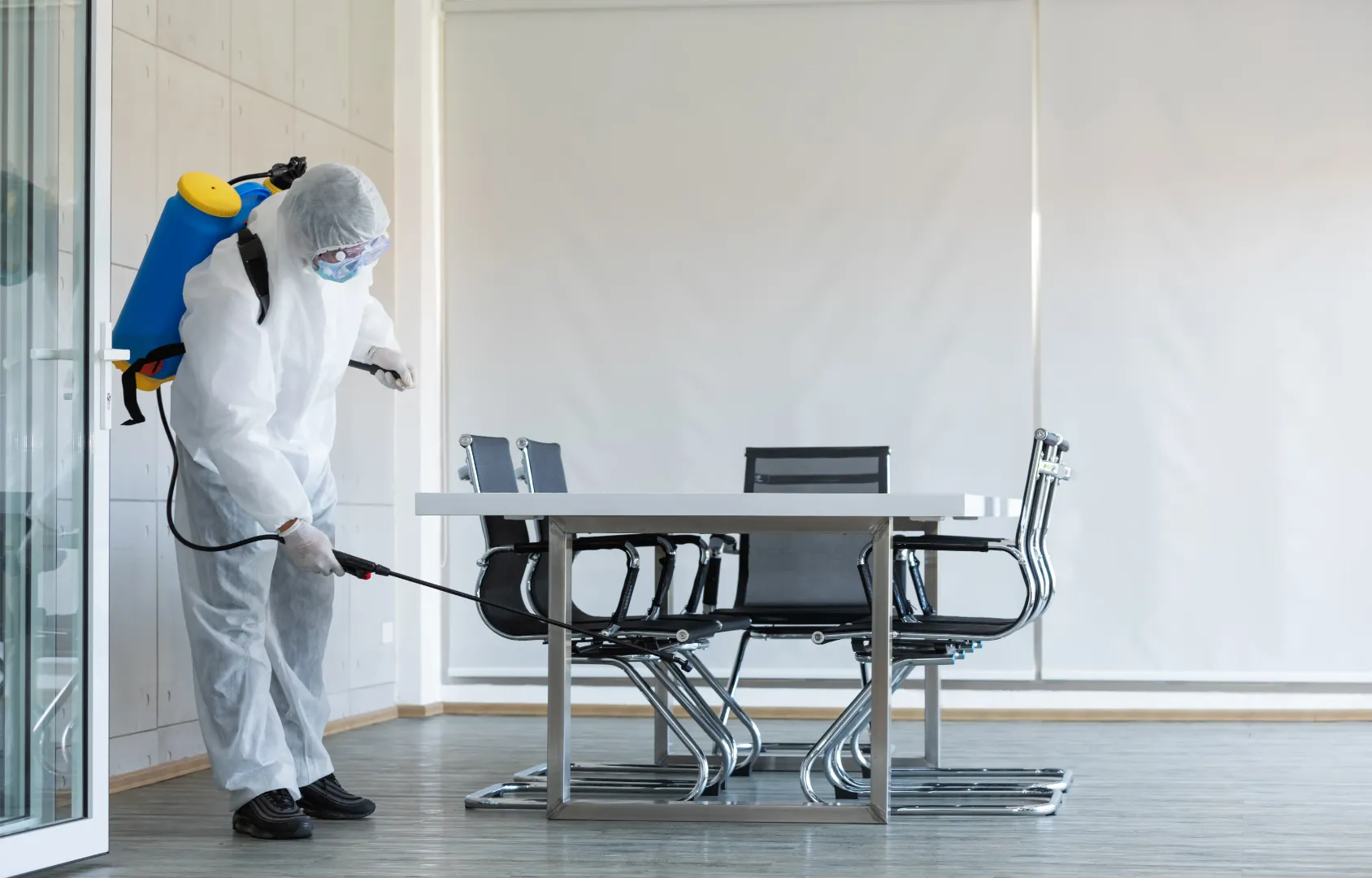
Electrostatic cleaning is a method of applying a cleaning or disinfecting solution with a specialized sprayer. The equipment gives the liquid droplets an electrical charge before they leave the nozzle. That charge changes how the droplets behave and can help them deposit onto surfaces more efficiently.
The technology has been used in different industries for years, including agriculture. It became more widely known for surface disinfection during the COVID-19 pandemic, when businesses and institutions were looking for ways to treat large areas more efficiently. The U.S. Environmental Protection Agency (EPA) has specifically studied electrostatic sprayers and how they apply disinfectants to surfaces.
But electrostatic cleaning is not simply a matter of turning on a sprayer and covering a room. The equipment, chemical product, application method, and contact time all matter.
How Does Electrostatic Cleaning Work?
An electrostatic sprayer works by giving small liquid droplets an electrical charge as they pass through the equipment.
Once the droplets leave the nozzle, the charge can help them move toward nearby surfaces. EPA explains that this process is intended to improve the deposition of disinfectant droplets onto surfaces and make the application more efficient.
This is different from a conventional spray bottle. With ordinary spraying, most of the liquid travels in the direction the nozzle is pointing. Electrostatic spraying introduces an additional electrical force that influences the movement of the droplets.
That does not mean the solution will automatically reach every hidden part of an object. In fact, EPA testing found that the wraparound effect promoted by some manufacturers was limited in the sprayers they evaluated.
The operator still needs to use the equipment properly and follow the instructions for the specific product being applied.
What Is the Purpose of Electrostatic Cleaning?
The main purpose is to provide another way of applying a cleaning or disinfecting solution to surfaces.
For cleaning professionals working in a large facility, manually treating every surface can take time. An electrostatic sprayer may make the application process more efficient in certain situations.
However, the sprayer itself does not kill bacteria or viruses.
That job belongs to the cleaning or disinfecting product being used.
This distinction is important. Electrostatic technology is an application method. It does not turn an ordinary liquid into a disinfectant.
Is Electrostatic Cleaning the Same as Disinfection?
No.
Cleaning and disinfection are two different steps.
According to the CDC, cleaning removes dirt, impurities, and many germs from surfaces. Disinfection uses chemicals designed to kill germs that remain on a surface. The CDC also recommends cleaning surfaces before disinfecting them because dirt and other material can make it harder for disinfectants to work effectively.
So, when someone refers to electrostatic cleaning, they may actually be talking about electrostatic application of a disinfectant.
The distinction matters because the results depend on the product being applied and how it is used.
If a disinfectant is being used, the product label should specifically allow the intended application method. EPA states that it has not evaluated the safety and effectiveness of using a disinfectant through an electrostatic sprayer when the product label does not include directions for that method.
Where Is Electrostatic Cleaning Used?
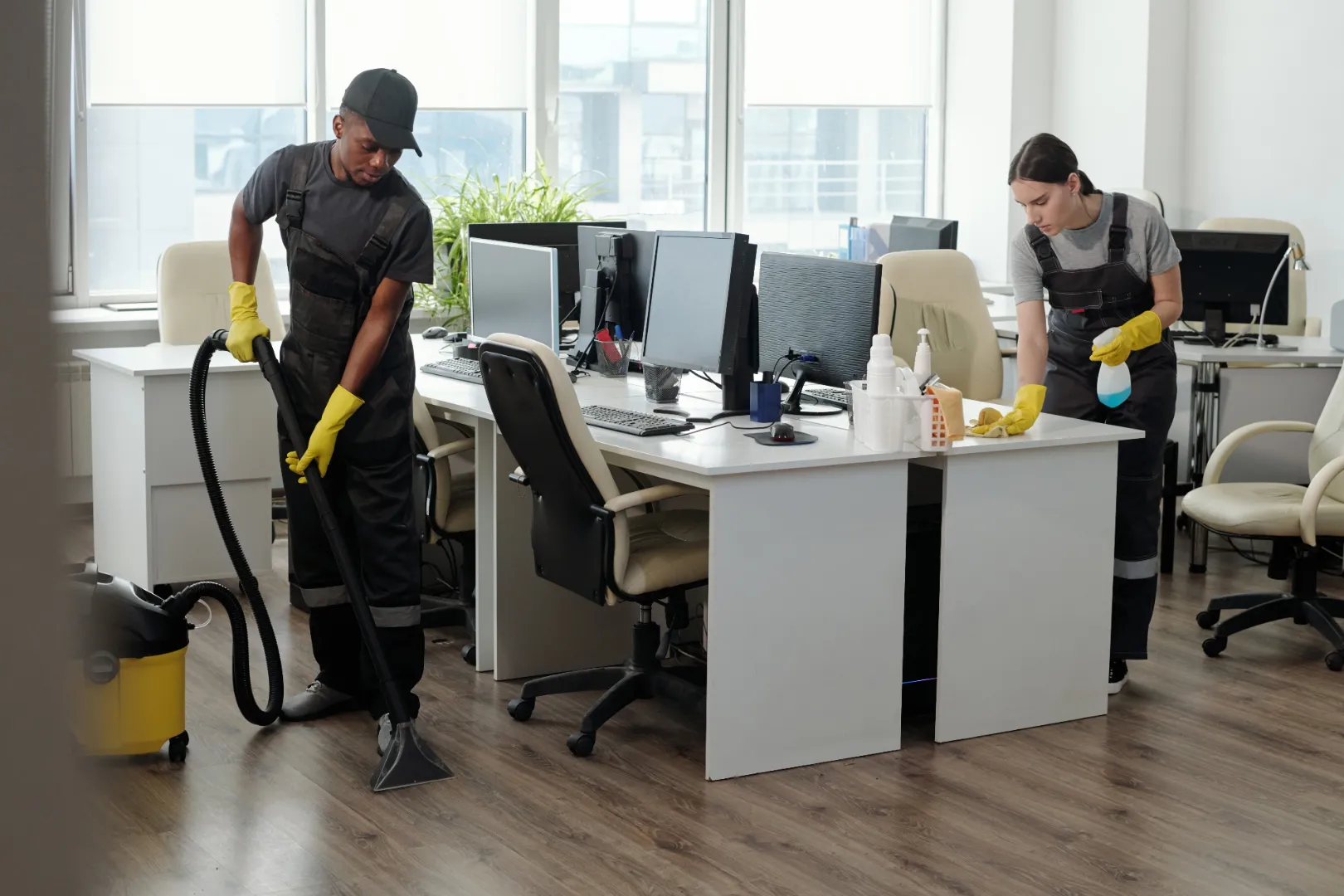
Electrostatic sprayers can be used in a range of commercial and institutional environments, although the appropriate application depends on the product and the facility.
Offices
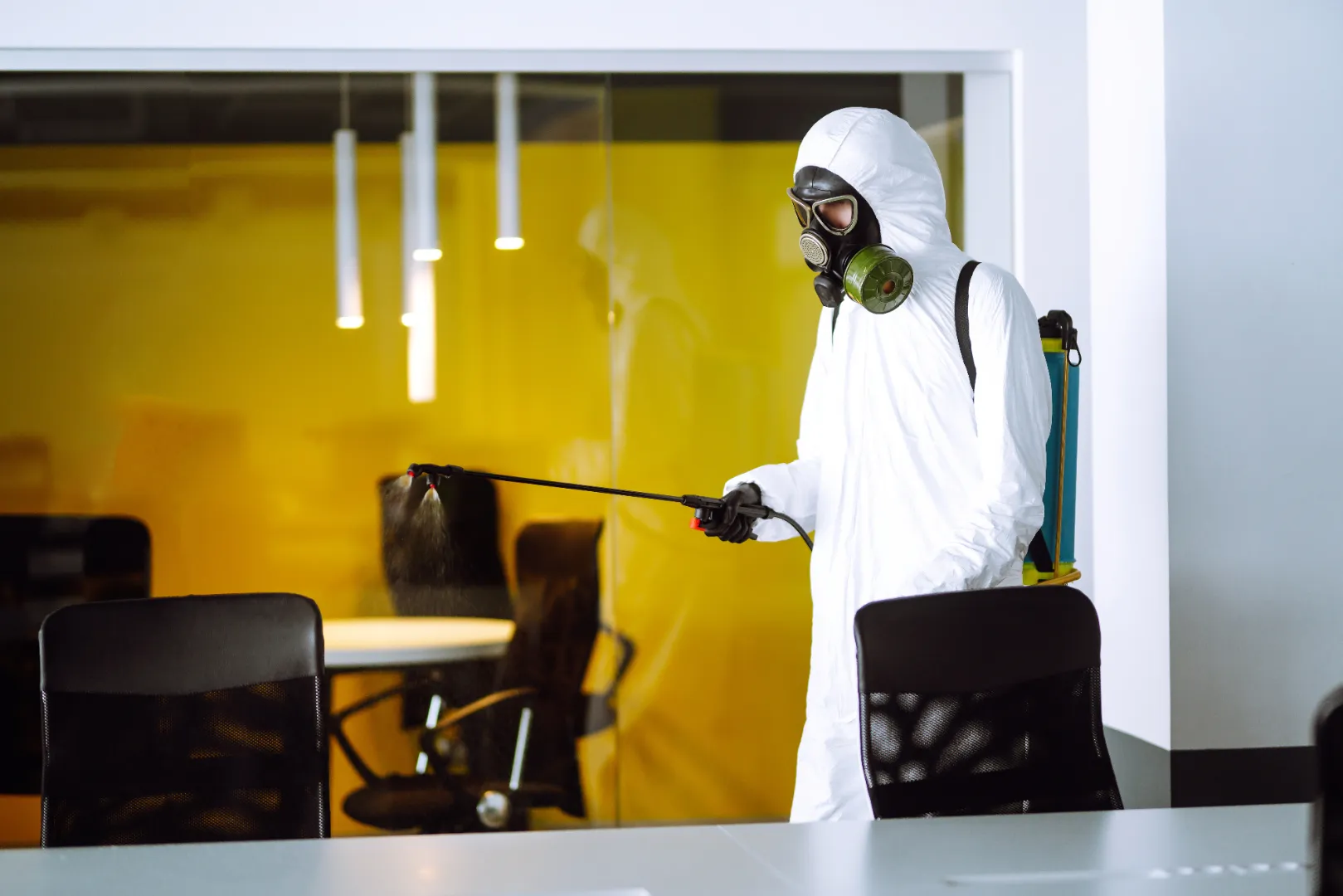
Offices have many shared surfaces, including desks, chairs, door handles, conference room furniture, light switches, and other equipment.
Cleaning teams may use electrostatic equipment as part of a broader cleaning and disinfection program when the product and surfaces are suitable.
Schools
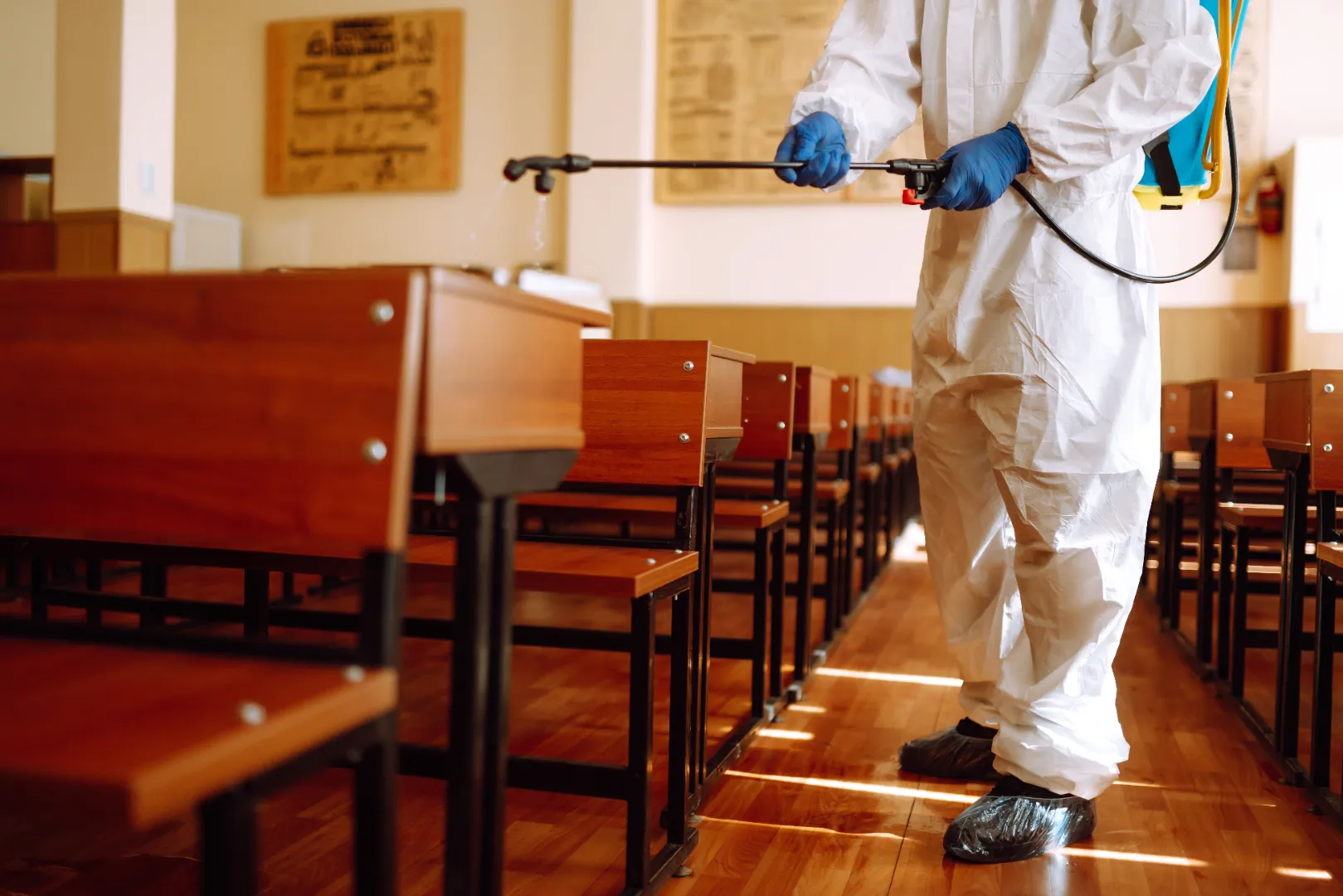
Schools have classrooms, cafeterias, restrooms, hallways, desks, and other areas used by large numbers of people.
Cleaning schedules can vary depending on the type of facility and how heavily an area is used. Electrostatic spraying may be one option for applying an approved product to suitable surfaces.
Healthcare Facilities
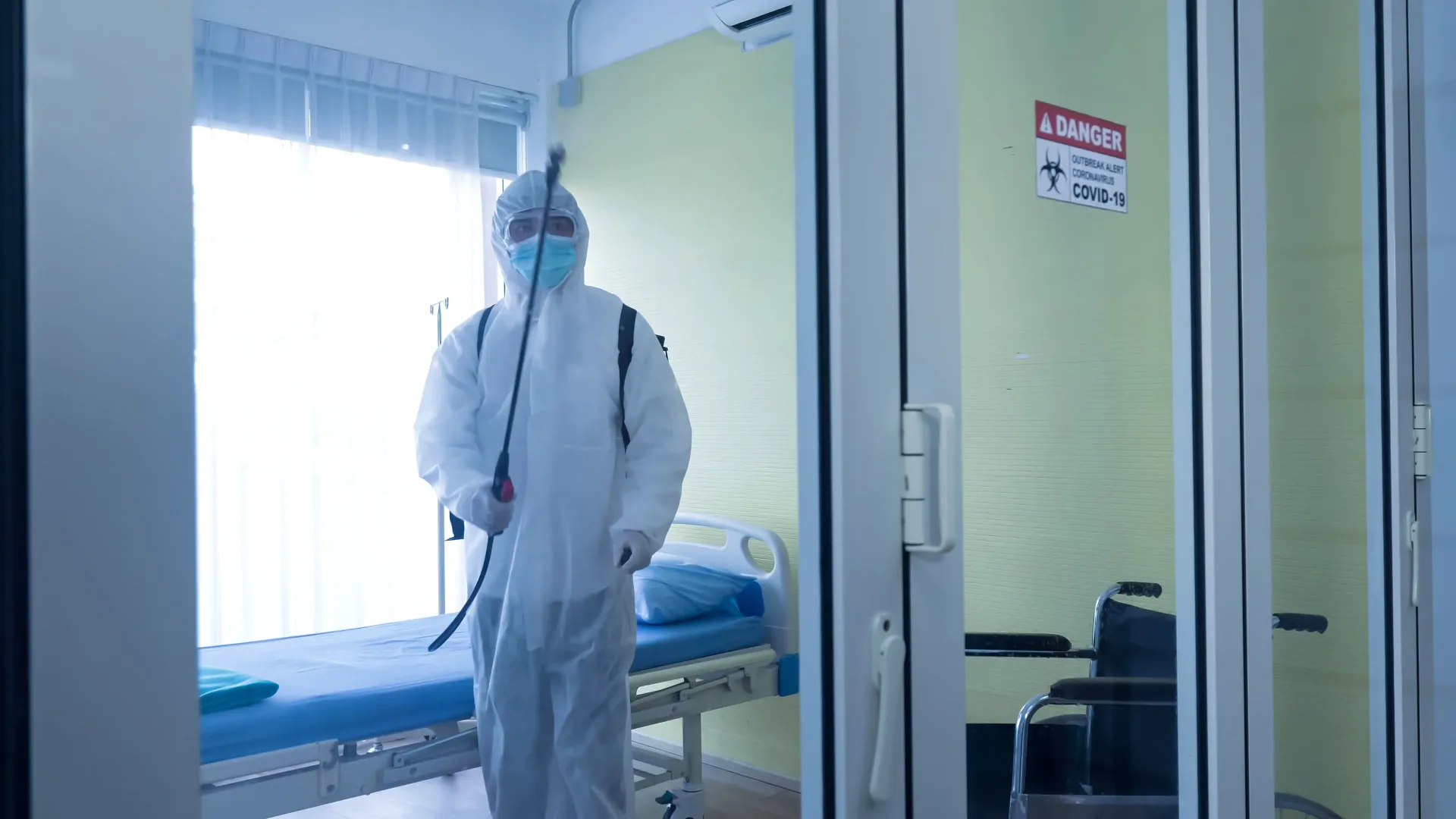
Healthcare environments have particularly strict cleaning requirements.
Hospitals, clinics, dental offices, and other healthcare facilities may use specialized equipment as part of their environmental cleaning procedures. However, electrostatic spraying should not be treated as a replacement for established cleaning protocols.
CDC guidance emphasizes following the disinfectant label and the manufacturer's instructions for the application equipment.
Gyms and Fitness Centers

Exercise equipment and other shared surfaces can receive frequent contact throughout the day.
An electrostatic sprayer may be useful in certain facilities as part of a larger cleaning routine, provided the disinfectant is approved for the intended use.
Commercial and Public Buildings
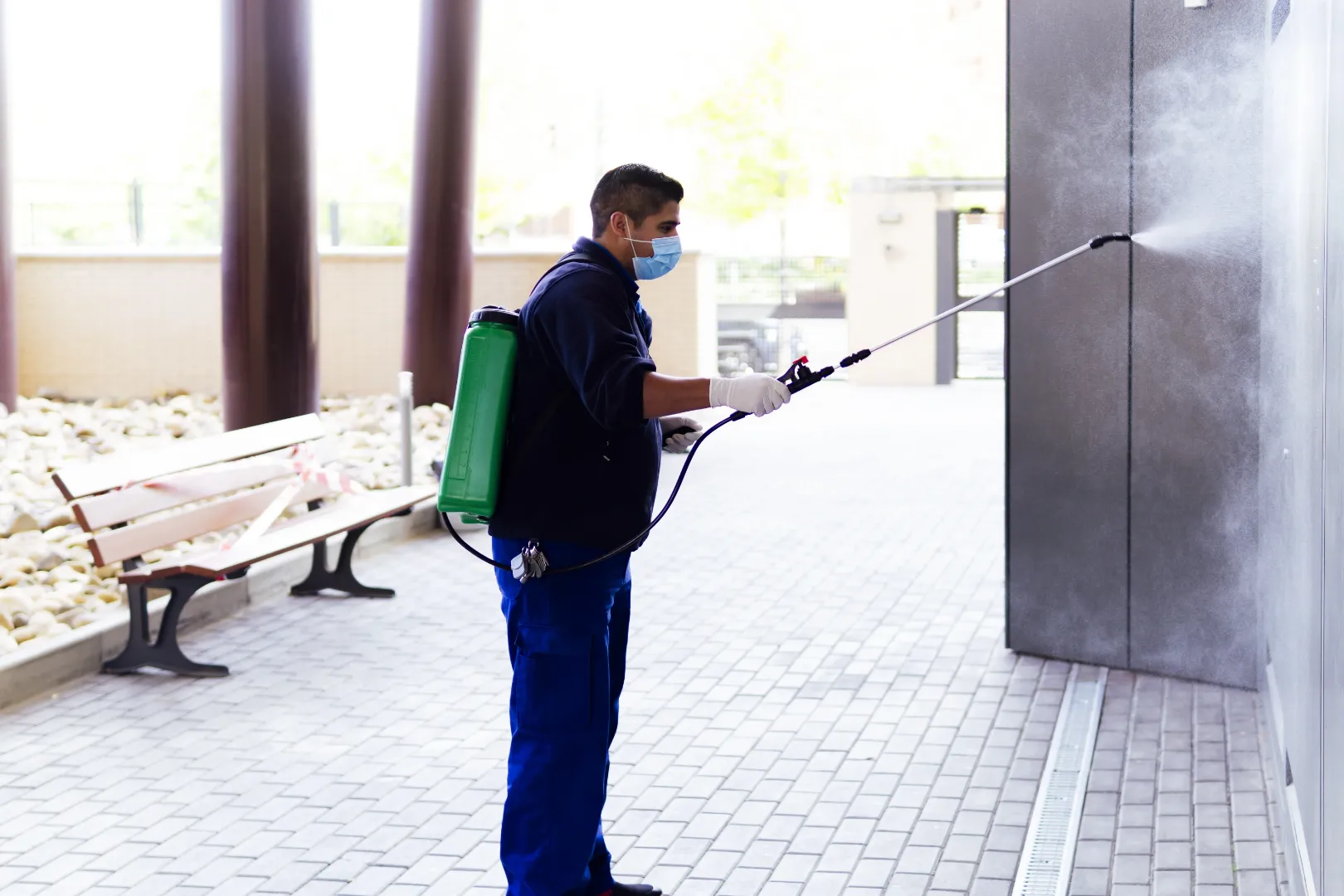
Hotels, transportation facilities, retail spaces, and other large buildings may also use specialized spraying equipment when appropriate.
The decision should be based on the facility's needs rather than simply assuming that electrostatic spraying is required.
What Are the Benefits?
Electrostatic spraying can have some practical advantages when used correctly.
Efficient Application
One reason businesses consider electrostatic equipment is the potential to apply a product efficiently across a large number of surfaces.
This can be useful for cleaning teams working in large facilities where many surfaces need to be treated.
Less Manual Targeting
The electrical charge affects how droplets move after leaving the sprayer. This means the operator may not need to aim at every small section of a suitable surface in exactly the same way.
That can make the application process more convenient.
Useful for Complex Objects
Some objects have multiple sides, curves, or difficult-to-access areas. Electrostatic spraying is designed to improve droplet deposition on surfaces, although the extent of this benefit depends on the equipment and application conditions. EPA research found that the wraparound effect was more limited than some manufacturers' claims might suggest.
For this reason, it is better to view electrostatic spraying as a useful application technique rather than a guarantee that every part of an object will be treated.
Does Electrostatic Cleaning Kill Germs?
The electrostatic sprayer does not kill germs on its own.
The disinfectant does that.
For a disinfectant to work, it needs to be approved for the intended use and applied according to its label. This includes using the correct amount and allowing the surface to remain wet for the required contact time.
EPA defines contact time as the amount of time the treated surface needs to remain wet for the product to work effectively.
This is particularly important with electrostatic spraying.
EPA research found that an electrostatic sprayer may use less disinfectant to cover a particular area, but applying too little liquid can become a problem if the surface does not stay wet for the required contact time.
In other words, faster application does not necessarily mean better disinfection.
Does Electrostatic Cleaning Replace Traditional Cleaning?
No.
This is one of the most important things to understand about the technology.
CDC guidance states that in many situations, cleaning with soap and water is enough to remove germs from surfaces. Disinfection may be needed in situations where there is a greater risk, such as after someone has been sick.
When disinfection is needed, surfaces should generally be cleaned first if they are visibly dirty.
Electrostatic spraying can then be considered as an application method when the product label specifically permits it.
It should not be viewed as a shortcut that eliminates normal cleaning procedures.
Is Electrostatic Spraying Recommended by the CDC?
Not as a primary method in every situation.
The CDC's current guidance states that fogging, fumigation, wide-area spraying, and electrostatic spraying are not recommended as primary methods of surface disinfection in most situations because of safety considerations. The CDC says these methods may be used when the product label specifically allows them.
This is an important point because electrostatic spraying is sometimes marketed as if it is automatically the most effective cleaning option.
It is not.
The right method depends on the facility, the surfaces, the disinfectant, the level of contamination, and the manufacturer's instructions.
What Products Can Be Used With an Electrostatic Sprayer?
Not every disinfectant can be used with an electrostatic sprayer.
EPA advises users to follow the product label. If the label does not include directions for electrostatic spraying, EPA has not evaluated that particular use for safety and effectiveness.
Some EPA-listed products specifically identify electrostatic spray as an approved application method. EPA's product information can indicate whether a product is intended for use with an electrostatic sprayer.
This is why choosing the chemical first and then checking whether it is approved for the equipment is important.
Using a product simply because it works well as a conventional spray does not mean it is automatically suitable for electrostatic application.
Is Electrostatic Cleaning Safe?
It can be safe when the equipment and chemical product are used correctly.
The operator should follow both sets of instructions:
- The manufacturer's instructions for the electrostatic sprayer
- The disinfectant's label instructions
Personal protective equipment may be required depending on the product. The area may also need to be cleared of people or animals during application if the product label requires it.
The EPA's guidance for products approved for electrostatic spraying includes specific requirements related to application conditions, contact time, spray distance, and protective equipment.
Sensitive equipment should also be considered before spraying. Electronics, certain finishes, fabrics, and other materials may have specific cleaning requirements.
CDC recommends following the manufacturer's instructions when cleaning electronics and other sensitive equipment.
How Long Does Electrostatic Cleaning Take?
There is no single answer.
The time depends on the size of the facility, the number of surfaces, the equipment being used, the product, and the preparation required before spraying.
A small office may be treated relatively quickly, while a school, healthcare facility, warehouse, or large commercial building can take much longer.
The application itself is only one part of the process. Staff may also need to prepare the area, clean visibly dirty surfaces, apply the product, maintain the required contact time, and allow surfaces to dry.
The goal should be proper treatment rather than simply finishing as quickly as possible.
What Should You Ask a Cleaning Company?
If you are considering hiring a company that offers electrostatic cleaning, ask a few basic questions before choosing a service.
Find out:
- What disinfectant will be used?
- Is the product approved for electrostatic spraying?
- What surfaces can be treated?
- What contact time is required?
- What safety precautions are followed?
- What happens to electronics and sensitive equipment?
- Are visibly dirty surfaces cleaned first?
- What type of electrostatic equipment is being used?
A professional company should be able to answer these questions clearly.
Be cautious of claims that suggest an electrostatic sprayer can disinfect everything instantly or eliminate the need for normal cleaning. Proper application is more important than the equipment's marketing claims.
Is Electrostatic Cleaning Worth It?
It can be useful in the right situation.
For large facilities, electrostatic spraying may provide a convenient way to apply an approved disinfectant to suitable surfaces. It can help cleaning teams handle large areas and may make certain application tasks more efficient.
But it is not necessary for every cleaning job.
The CDC notes that traditional methods such as liquid disinfectants, wipes, and spray bottles are sufficient in many situations.
The best approach is to choose the cleaning method based on the actual needs of the facility rather than assuming that newer equipment is always better.
Frequently Asked Questions
1. Can electrostatic cleaning be used outdoors?
Yes, but it depends on the equipment, product label, weather conditions, and surface being treated. Wind and rain can affect how the solution is applied, so outdoor use requires extra care.
2. How often should electrostatic cleaning be done?
There is no fixed schedule for every facility. The frequency depends on the type of building, how heavily surfaces are used, and the facility's cleaning needs.
3. Can electrostatic cleaning be used on furniture?
It can be used on some furniture, provided the cleaning product is approved for that material and application method. Always check the product label before spraying.
4. Can electrostatic cleaning be used around children?
It can be used in facilities with children when the product and application method are approved for the setting. Children and other occupants may need to leave the area during application, depending on the product instructions.
5. Does electrostatic cleaning leave a residue?
It can. The amount of residue depends on the product, how much is applied, and the surface being treated. Following the manufacturer's application instructions helps reduce unnecessary buildup.
6. Can electrostatic cleaning damage surfaces?
Certain chemicals can damage sensitive materials, finishes, or electronics. Check the disinfectant label and equipment instructions before treating an unfamiliar surface.
7. Can electrostatic sprayers be used with water?
Some equipment may be capable of spraying water or other solutions, but this does not mean water alone will disinfect a surface. Always use the solution recommended by the equipment manufacturer and follow its instructions.
8. How far away should an electrostatic sprayer be held?
The correct spraying distance varies by equipment and product. The manufacturer's instructions should be followed rather than using one distance for every sprayer.
9. Can electrostatic cleaning be used in a home?
It can be used in some residential settings, but it may not be necessary for routine home cleaning. Standard cleaning and disinfection methods are often sufficient for everyday household needs.
10. What should I do after electrostatic spraying?
Allow the product to remain on the surface for the required contact time and follow the product label for any wiping, rinsing, or ventilation instructions. Do not assume that a surface should be wiped immediately after spraying.
Conclusion
Electrostatic cleaning is a method of applying a cleaning or disinfecting solution using electrically charged droplets.
The technology can make application more efficient in some settings, but it is not a replacement for proper cleaning and it does not disinfect surfaces by itself.
The product being used is just as important as the sprayer. If a disinfectant is not labeled for electrostatic application, it should not simply be used with an electrostatic sprayer.
Proper cleaning, the right disinfectant, correct application, adequate contact time, and appropriate safety measures all play a role in effective surface disinfection.
For businesses and facilities considering electrostatic cleaning, the best approach is to look beyond the equipment itself. Check the product label, follow EPA and CDC guidance, and make sure the cleaning method fits the surfaces and the needs of the facility.
Disclaimer: This information is for general educational purposes only. Always follow the product label, manufacturer instructions, and current EPA and CDC guidance when using electrostatic cleaning equipment.