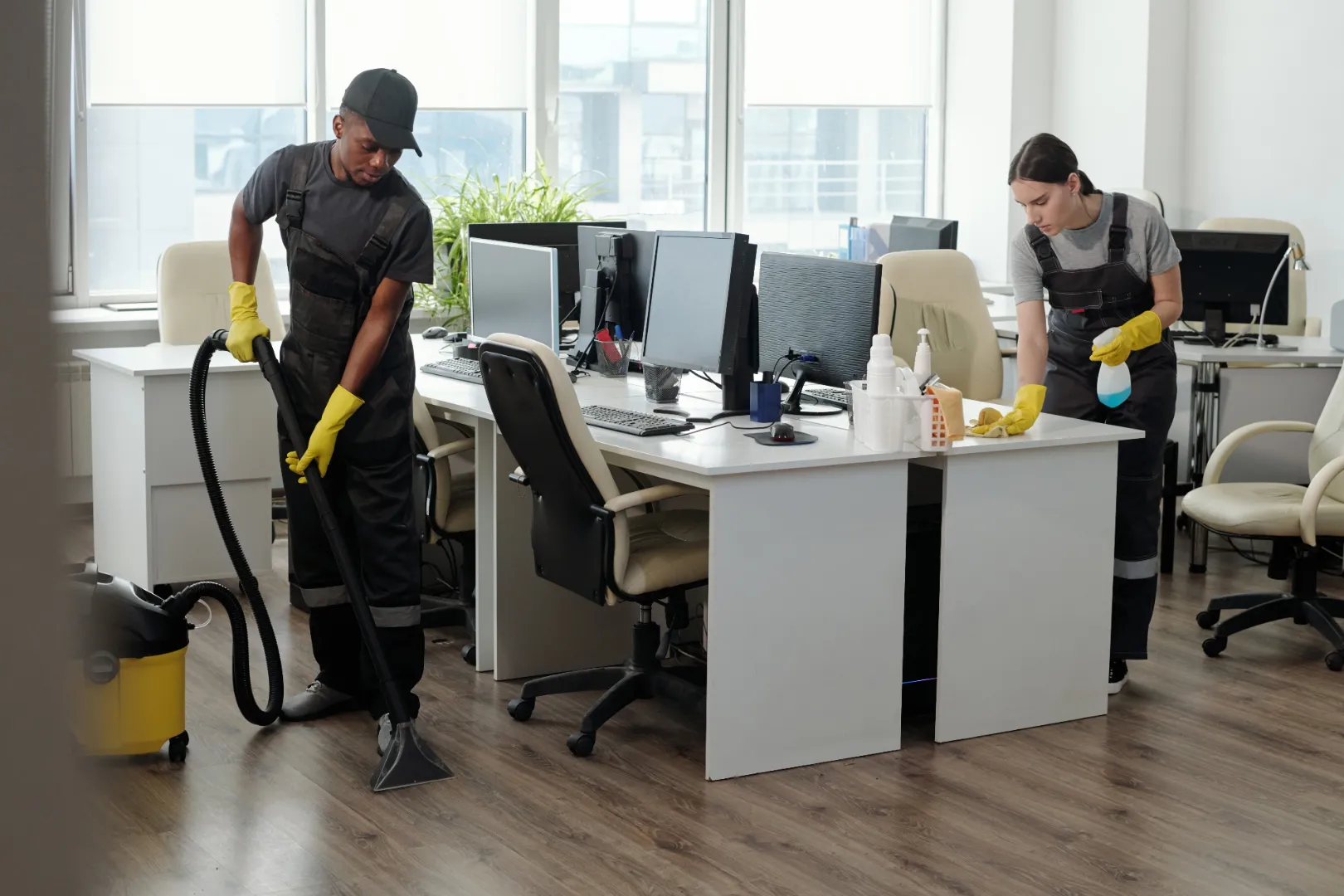
- 01What is Deep Cleaning?
- 02Deep Cleaning vs Regular Cleaning
- 03Why Businesses Need Deep Cleaning
- 04What Does a Commercial Deep Clean Include?
- 05Deep Cleaning for Different Types of Businesses
- 06Deep Cleaning vs Disinfecting vs Sanitizing
- 07How Often Should a Business Get a Deep Clean?
- 08Signs Your Workplace Needs a Deep Clean
- 09What Happens During a Professional Deep Clean
- 10Tools and Products Used in Deep Cleaning
- 11How to Choose a Deep Cleaning Company
- 12What Affects the Cost of Deep Cleaning?
- 13Common Deep Cleaning Mistakes
- 14Frequently Asked Questions
- 15Conclusion
Key Takeaways
- Deep cleaning is a detailed clean that removes built-up dirt from hidden and hard-to-reach areas.
- Deep cleaning gives a space a fresh start, while regular cleaning keeps it tidy. Most businesses need both.
- A commercial deep clean usually covers floors, restrooms, kitchens, walls, vents and high-touch items.
- How often a business needs a deep clean depends on its type, foot traffic and daily cleaning routine.
- Clean first, then disinfect, because disinfectants do not work well on dirty surfaces.
Walk into an office at 9 AM and everything looks fine. The desks are clear, the floors shine, and the bins are empty. Now look at the vents, the gaps between keyboard keys, the grout in the break room, or the back corner of the storage room. That is where the dirt your daily routine misses has been piling up.
So, what is deep cleaning? It is a detailed, top-to-bottom clean that removes built-up dirt, grease, dust, stains and germs from every part of a space, including the spots a normal routine skips. For a business, it is the difference between a place that looks clean and a place that is clean.
This guide explains what deep cleaning means, how it is different from regular cleaning, what it includes, and how often a business needs it.
What is Deep Cleaning?
Deep cleaning is slow, thorough cleaning that goes past the surface. Regular cleaning wipes what you can see. Deep cleaning deals with what has been building up for weeks or months. That means scrubbing, scraping, steaming and treating areas with the right products and equipment.
Picture a restaurant kitchen floor. A mop handles the daily spills. But grease settles into the grout lines, around the equipment and into the corners, and a mop will never lift it. It takes a stronger degreaser, a stiff brush and often a steam machine. That extra work is deep cleaning.
The word "deep" is a good way to remember it. You are not skimming the top. You are reaching the layers underneath and the spots nobody looks at until there is a problem.
Deep Cleaning vs Regular Cleaning
Most businesses already have a daily or weekly cleaning routine. That is regular cleaning, and it matters. It keeps things tidy and stops mess from piling up too fast.
Regular cleaning usually means emptying bins, vacuuming, mopping, wiping desks, cleaning restrooms and restocking supplies. It is quick, repeatable and done on a fixed schedule.
Deep cleaning is a different job. It covers things like:
- Moving furniture and equipment to clean behind and under them
- Scrubbing tile and grout
- Cleaning inside selected appliances
- Washing walls, doors, frames and light fixtures
- Cleaning vents and fans
- Treating carpets and upholstery
- Removing grease, limescale and old stains
The simplest way to see it is this. Regular cleaning holds the line. Deep cleaning resets the whole space. You need both. A deep clean without daily upkeep gets dirty again fast, and daily upkeep without a deep clean lets buildup grow quietly in the background.
Why Businesses Need Deep Cleaning
Some owners see deep cleaning as a nice extra. It solves real problems, though.
Hygiene. Shared spaces are full of touch points. Door handles, light switches, lift buttons, phones and shared machines pass germs from person to person all day. A deep clean removes the grime and bacteria a quick wipe leaves behind, which helps keep your space healthier for staff and visitors.
First impressions. Customers notice more than you think. A sticky counter, a smelly restroom or dusty shelves say something about your business, even if nobody mentions it.
Inspections. Restaurants, clinics, food producers and schools have hygiene rules to meet. Inspectors do not only check the visible areas. A deep clean helps you stay ready.
Protecting your property. Grease, moisture and dust wear down floors, carpets, machines and fittings. Cleaning them properly helps them last longer, which saves money on repairs and replacements.
Staff comfort. People work better in a clean place. It is a small thing, but it adds up over a year.
What Does a Commercial Deep Clean Include?
The exact list depends on your type of business, the size of the building and its condition. Most commercial deep cleans cover the areas below.
Floors
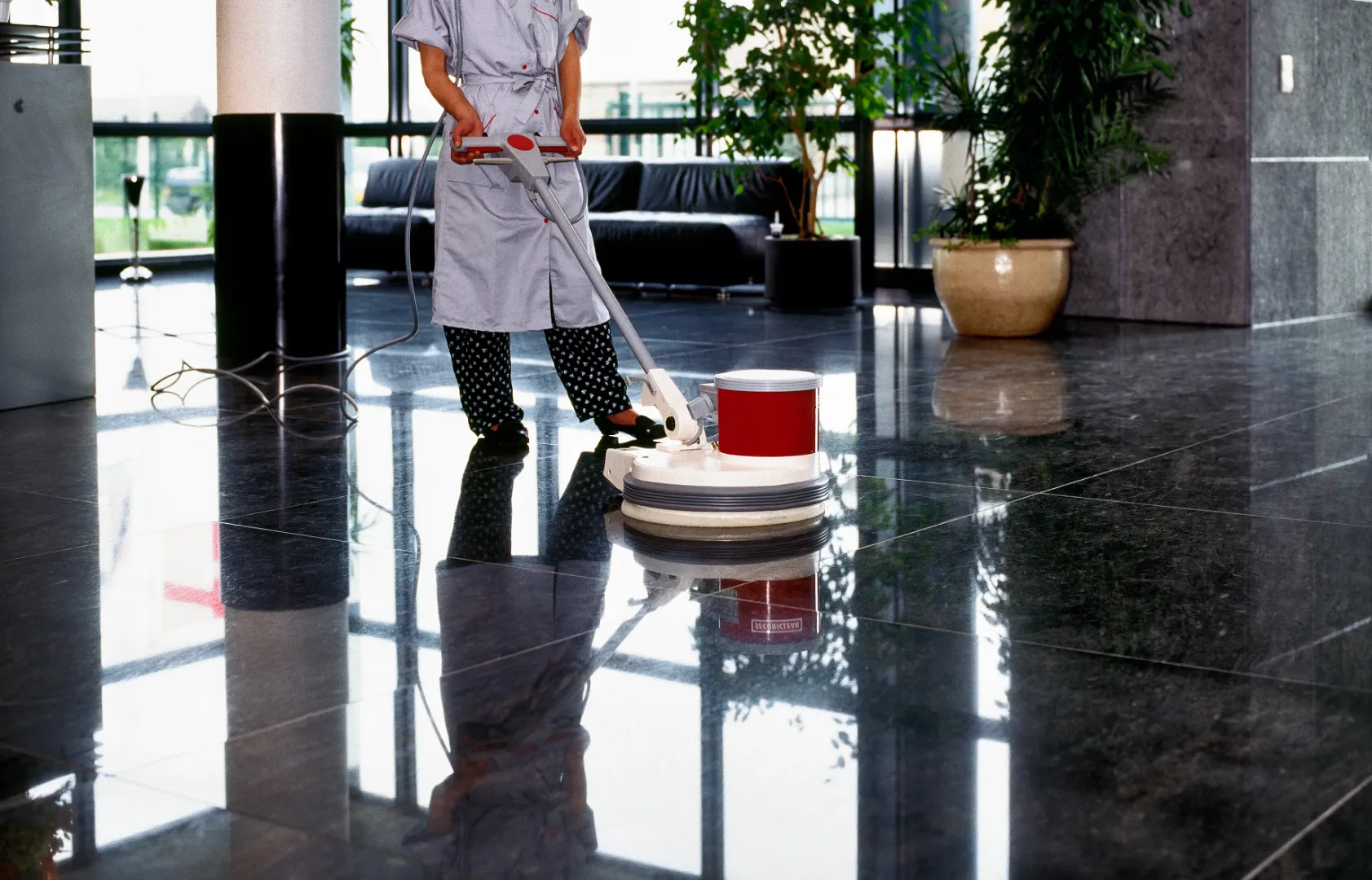
Hard floors are scrubbed with machines, and grout lines are cleaned properly. Some floors are stripped and resealed. Carpets are treated with hot water extraction or dry cleaning methods to lift out dirt that a vacuum cannot reach. The method always depends on the flooring type and the manufacturer's care guidelines.
Restrooms
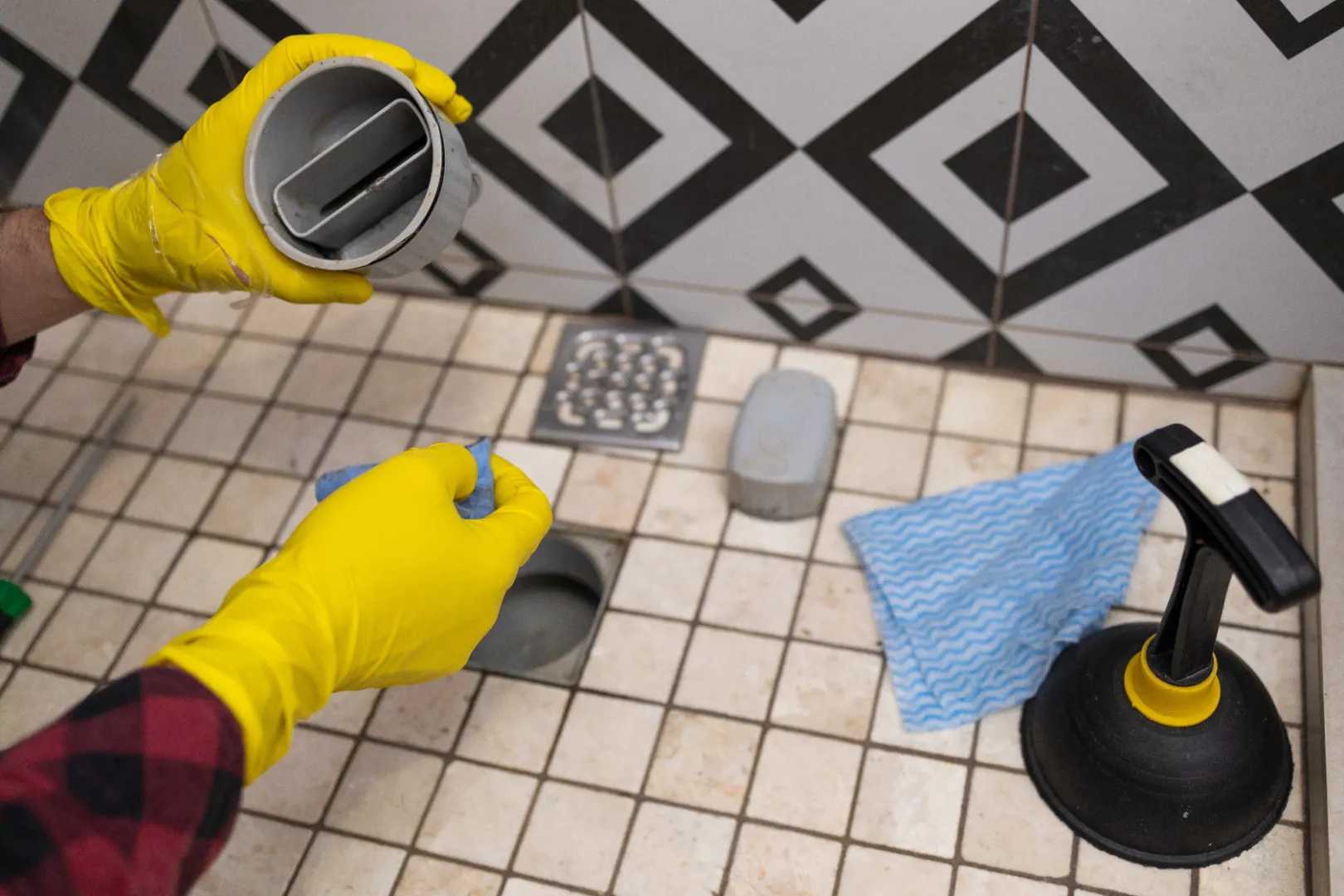
This is much more than a wipe-down. Cleaners descale taps, scrub tiles and grout, clean drains, wash walls and partitions, and disinfect every touch point. Exhaust fans and vents get cleaned too.
Kitchens and Break Rooms
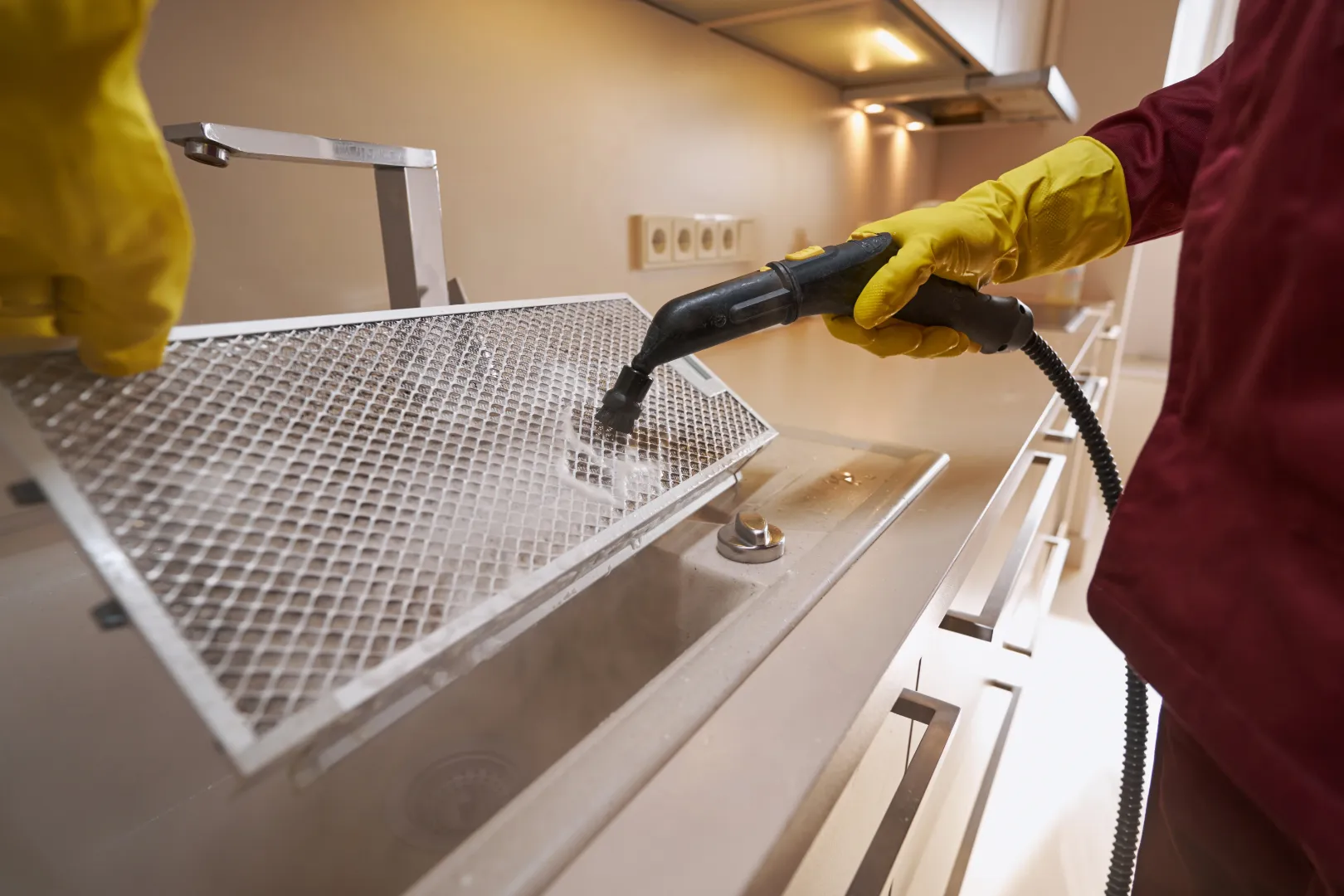
In a commercial kitchen, deep cleaning covers ovens, grills, fryers, hoods, filters, prep tables, walk-in fridges, and the floors and walls around them. In an office break room, it means cleaning inside the microwave and fridge, plus cabinets, sinks, tables and floors.
Windows, Walls and Ceilings
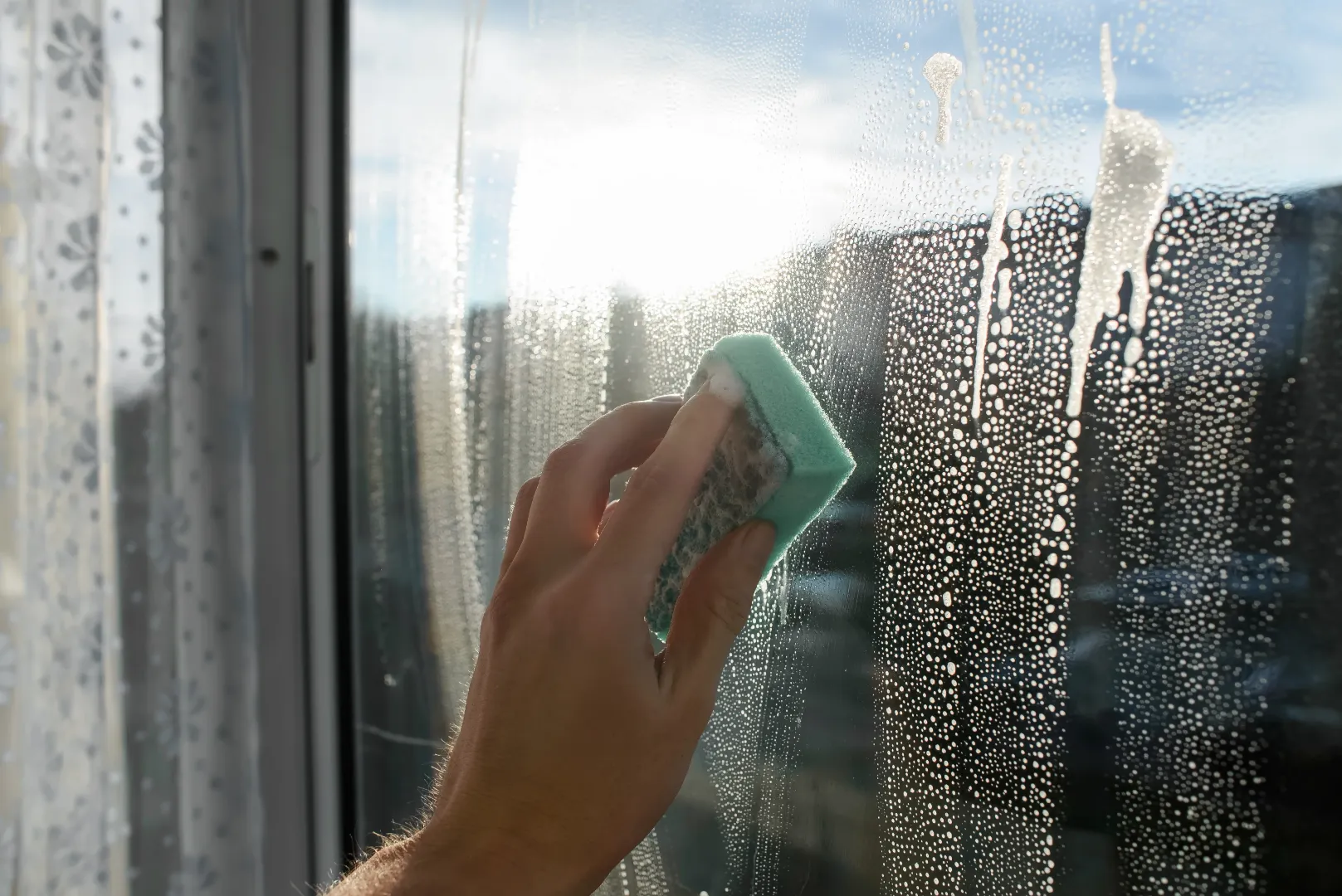
Interior glass, frames and sills are washed. Walls are wiped down where the paint allows it. Ceilings, corners and light fixtures are dusted, and cobwebs in high places are removed.
Furniture and Upholstery
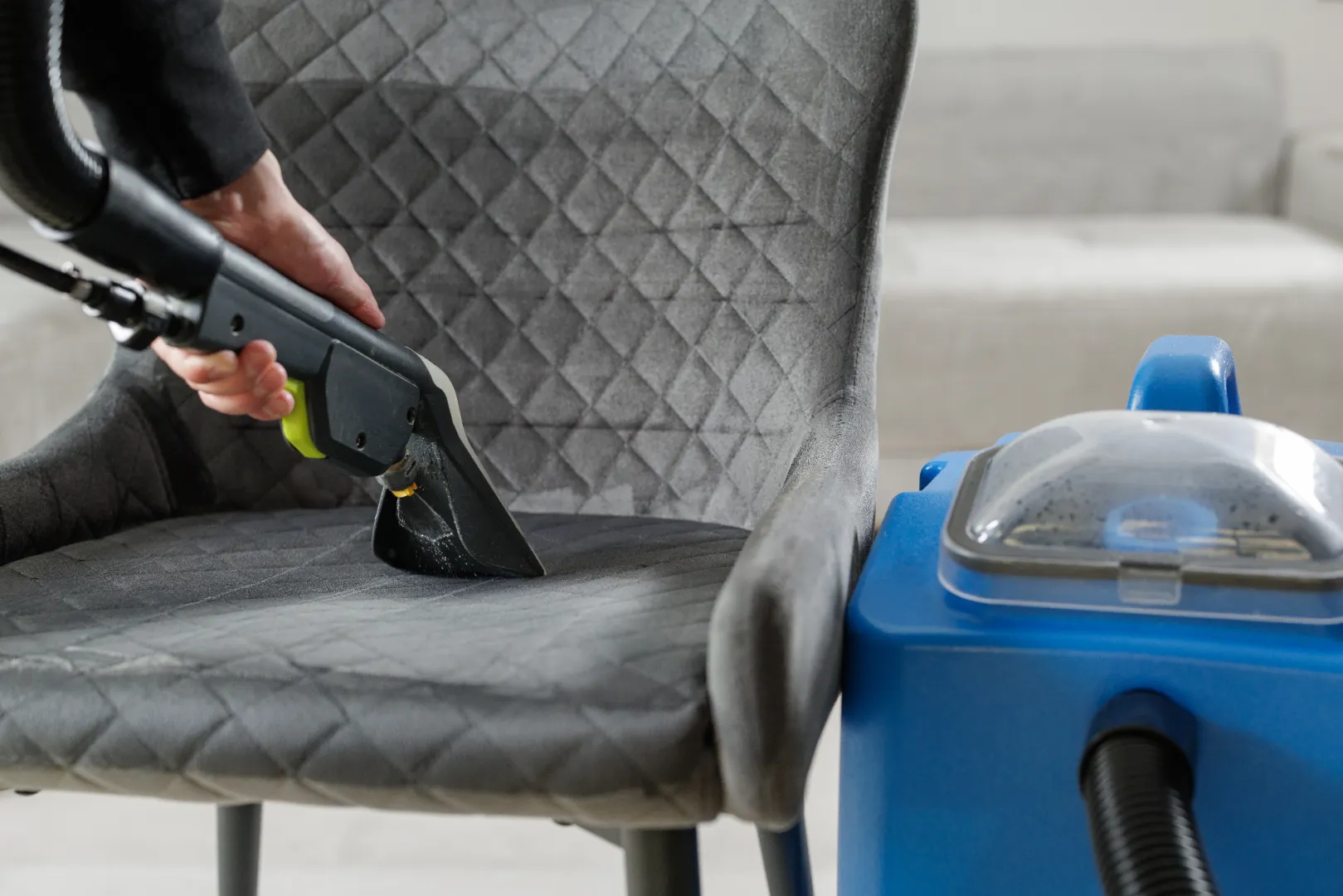
Chairs, sofas and partitions are vacuumed and treated based on the fabric. Desks get a full clean, including the sides, legs, drawers and the messy area around cables.
Vents and Fans
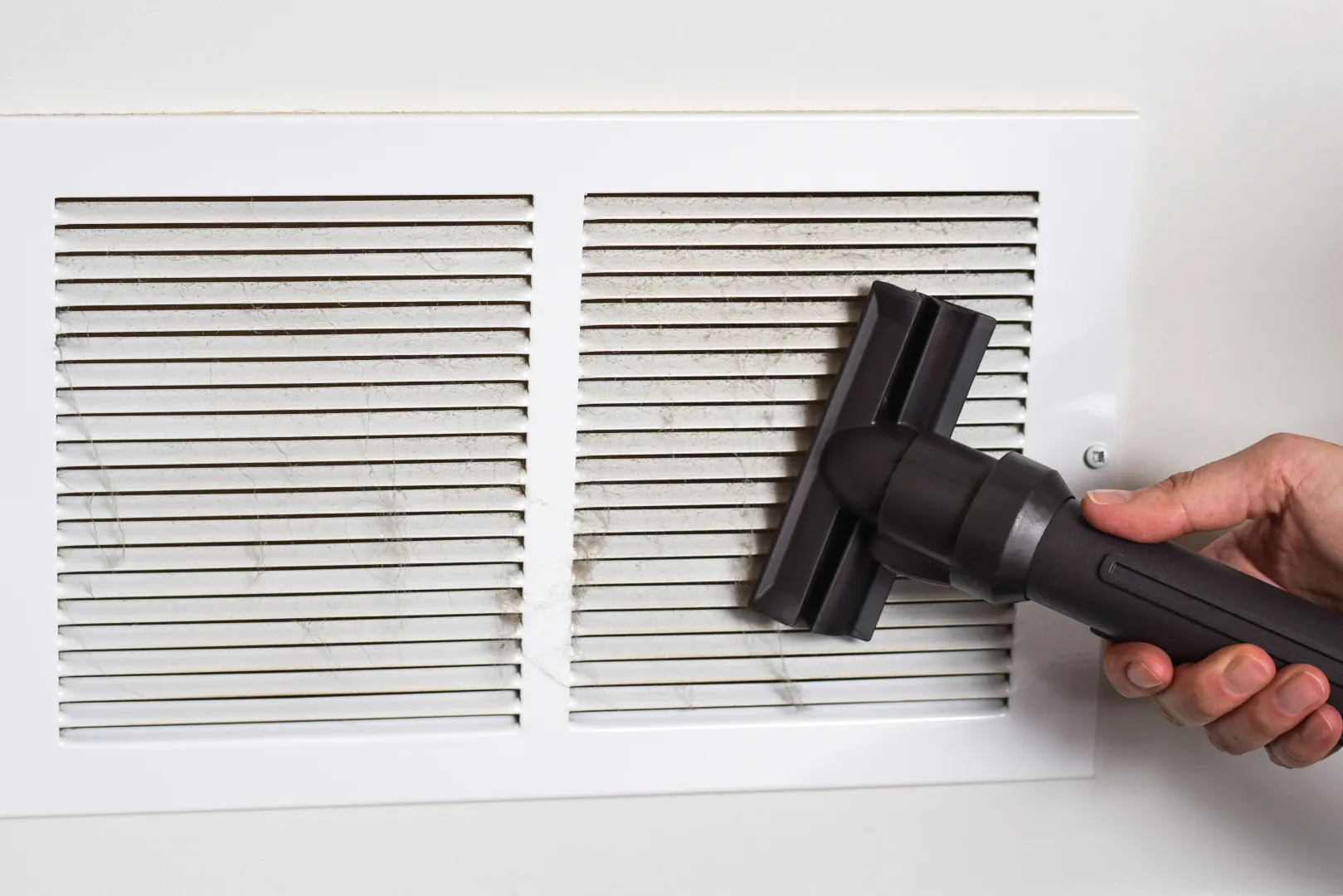
Dust builds up fast around vents and fan blades. A deep clean covers the parts you can reach. Full air duct cleaning is usually a separate service that needs special equipment.
High-Touch Items
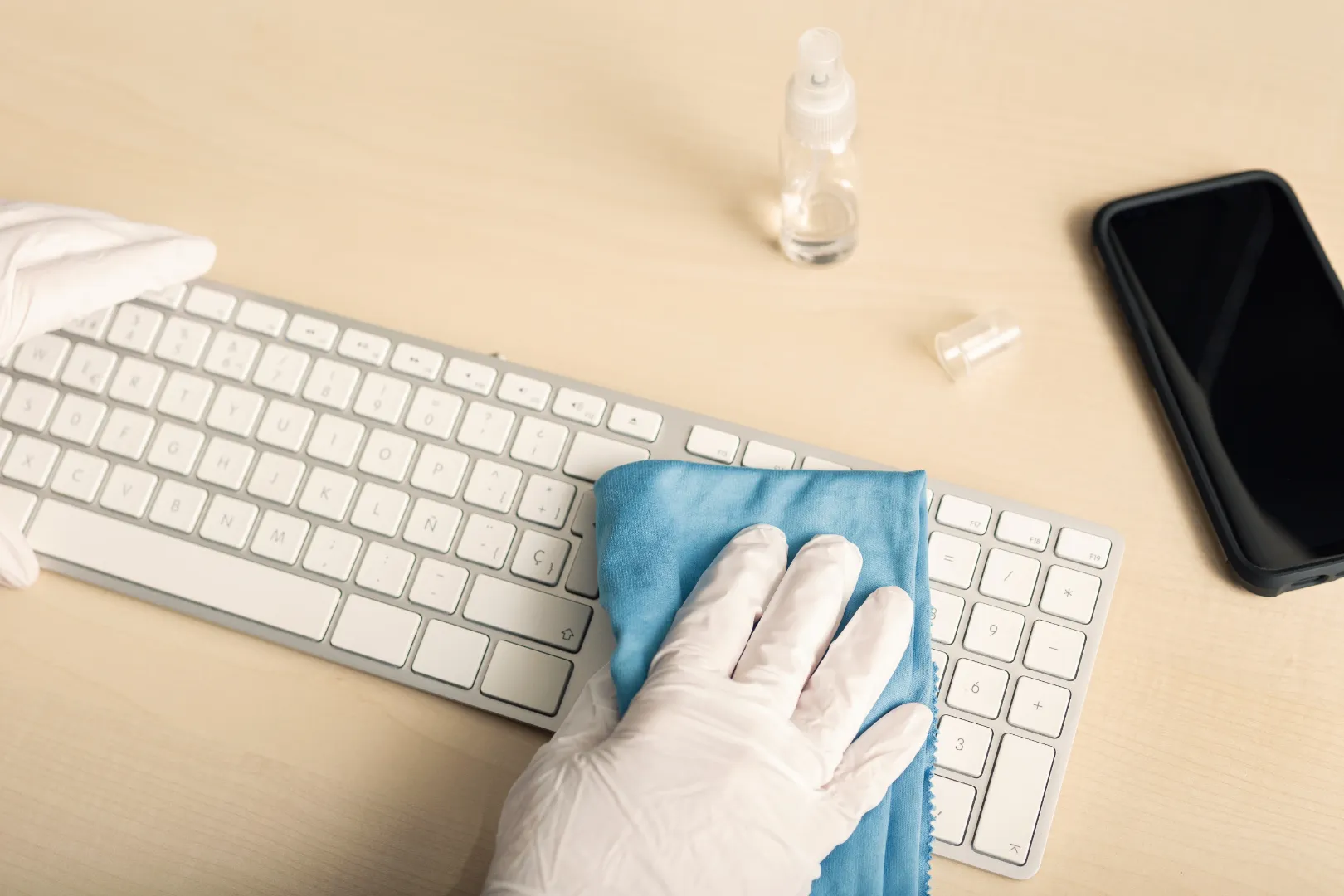
Phones, keyboards, remotes, handles, rails, switches and shared devices are cleaned and disinfected one by one. They are small, but they are the dirtiest things in most workplaces.
Deep Cleaning for Different Types of Businesses
Every workplace has its own problem areas, so a good deep clean is never a copy and paste job.
Offices. The main targets are carpets, desks, shared equipment, meeting rooms, restrooms and the pantry. Hot-desk setups need extra care because many people use the same surfaces.
Restaurants and cafes. Grease is the biggest enemy. Hoods, fryers, floors, drains and walls all need attention, and food safety rules make this a must.
Healthcare clinics. Cleanliness here is tied to patient safety. Cleaning should follow the clinic's own infection control policies and local regulations, using approved disinfectants in waiting areas, treatment rooms and restrooms.
Retail stores. Floors, shelves, fitting rooms, entrances and glass get constant use. Deep cleaning keeps the store looking fresh and welcoming.
Schools and daycare centers. Kids touch everything. Toys, desks, floors and restrooms need thorough cleaning with products that are safe for children.
Gyms and fitness studios. Sweat, moisture and shared equipment lead to bacteria and odor. Deep cleaning covers machines, mats, locker rooms, showers and floors.
Warehouses and factories. Dust and oil collect on floors, racks and equipment. Deep cleaning keeps the space safer and easier to work in.
Deep Cleaning vs Disinfecting vs Sanitizing
These three terms get mixed up a lot.
Cleaning removes dirt, dust and grime from a surface. It does not necessarily kill germs.
Sanitizing lowers the number of germs to a safe level. It is common in food areas.
Disinfecting uses a chemical to kill most germs on a surface. It is used in high-risk places like restrooms and clinics.
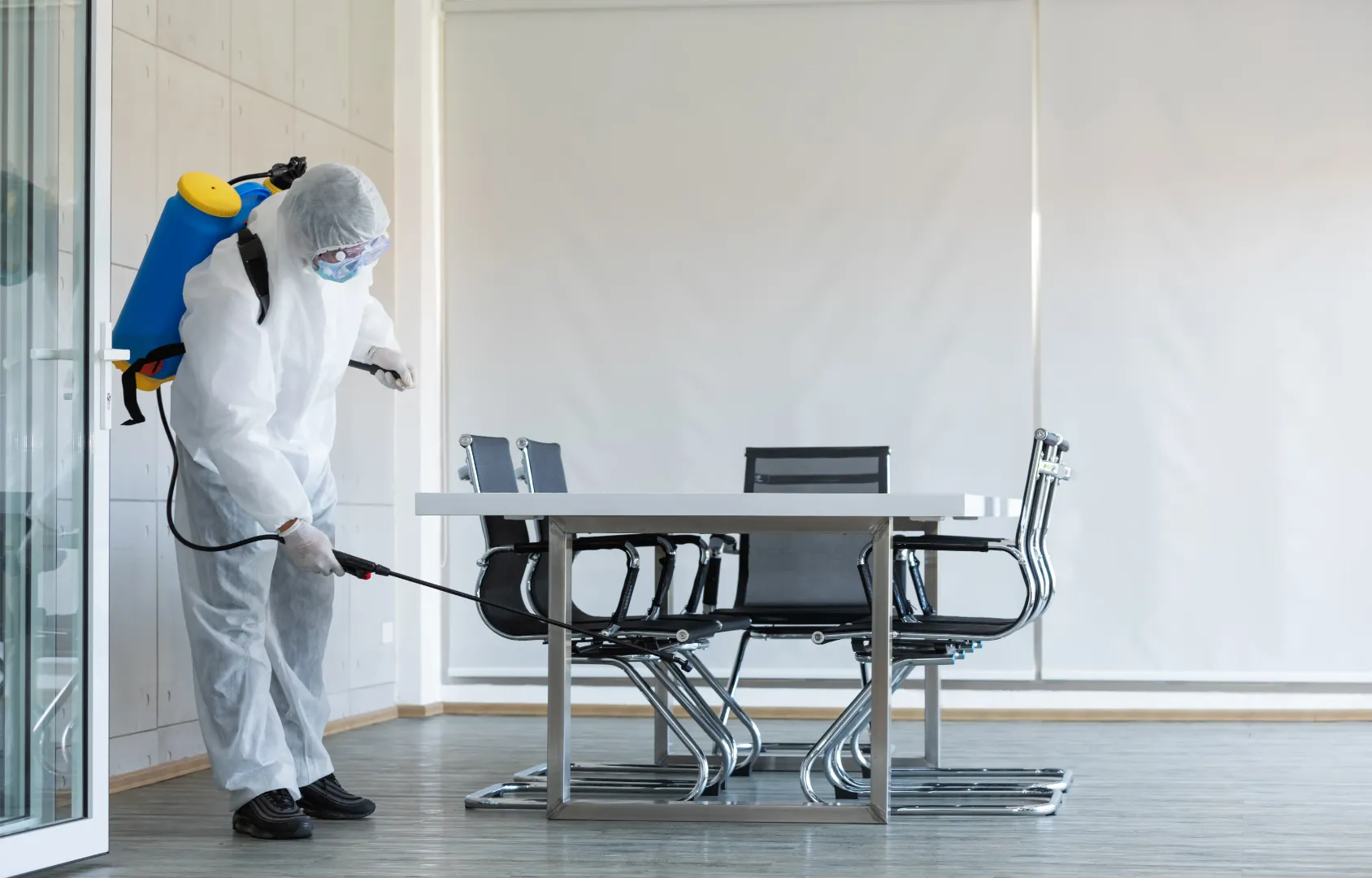
Deep cleaning can include all three. The order matters. You clean first, because disinfectants do not work well on a dirty surface. Then you sanitize or disinfect where needed. If someone sprays disinfectant over a grimy surface and calls it done, the job was not done properly.
How Often Should a Business Get a Deep Clean?
There is no single answer, but these guidelines work for most businesses.
- Restaurants and food businesses: kitchen deep cleaning every month or every quarter, depending on how busy you are
- Healthcare and childcare: every month or every quarter
- Gyms: every month or every quarter
- Offices and retail: every 3 to 6 months, with carpets and upholstery once or twice a year
- Warehouses and industrial spaces: twice a year, or more often if the work is dusty or oily
Other things change the schedule. A busy building with lots of foot traffic needs it more often, and so does one with poor ventilation. It is also smart to book a deep clean before an inspection, a big event or a reopening, and after renovation work, when fine dust spreads everywhere.
Signs Your Workplace Needs a Deep Clean
You do not have to wait for a calendar reminder. Your space will often tell you.
- Bad smells that come back even after cleaning
- Dust returning within a day or two
- Stains on carpets and floors that will not lift
- Black spots or mold in restrooms and corners
- Sticky or greasy surfaces
- Dull, grimy floors and dirty grout
- Staff complaining about allergies or getting sick more often
- Signs of pests, which often follow food residue and dirt
If you notice two or three of these, it is probably time.
What Happens During a Professional Deep Clean
If you have never hired a commercial cleaner, the process is simple.
It usually starts with a walkthrough. The cleaning company looks at the space, asks what you need and spots the problem areas. Then they put together a plan and a quote.
On the day, the team sets up equipment and often works after hours so your business is not interrupted. They generally work from top to bottom, starting with ceilings and high areas, then walls, furniture and equipment, and finishing with floors. Dust falls downward, so this order keeps clean areas from getting dirty again.
When the work is done, a supervisor usually checks the results. Some companies give you a checklist of what was cleaned. If something was missed, a good company comes back and fixes it.
Tools and Products Used in Deep Cleaning
One reason professional deep cleaning works better is the equipment. A mop and bucket can only do so much.
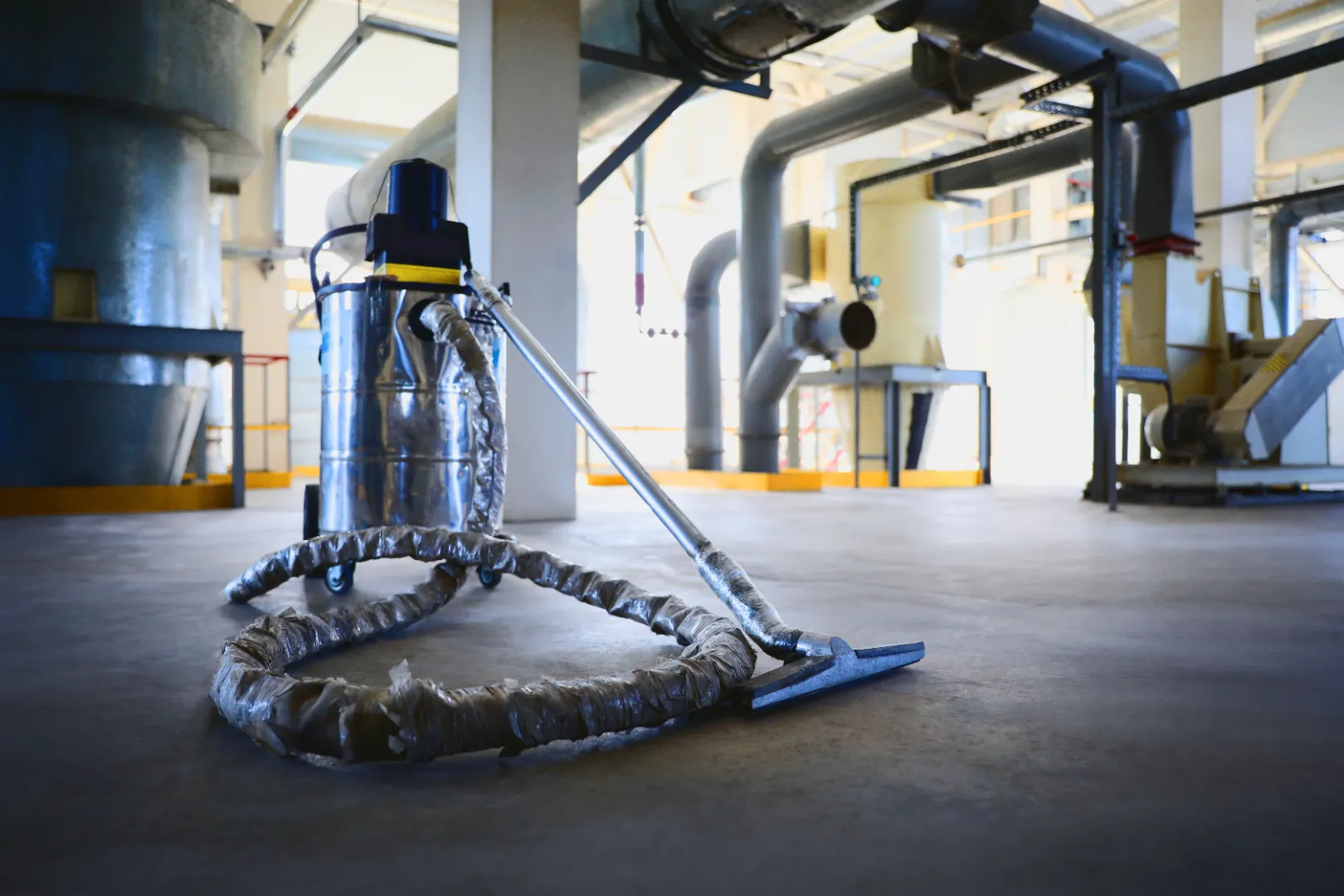
Common tools include steam cleaners, floor scrubbers, commercial vacuums with HEPA filters, carpet extraction machines, long-reach poles for ceilings and high windows, and specialized brushes for grout and drains. Color-coded microfiber cloths are used so that the cloth from the restroom never touches the kitchen counter.
Products are matched to the job. A degreaser for a kitchen is not the same as a descaler for a restroom or a disinfectant for a clinic. Trained cleaners also know which products are safe on which surfaces, so they do not damage what they are cleaning. Chemicals should never be mixed, and staff should wear the right gloves and eye protection. That is one more reason to leave big jobs to trained people.
How to Choose a Deep Cleaning Company
Not all cleaners offer the same service, so ask a few questions before you hire.
- Have they cleaned businesses like yours?
- Are their staff trained and insured?
- What equipment and products will they use?
- Will they give you a clear written scope of work?
- Can they work nights or weekends?
- How do they handle missed areas or complaints?
A written scope matters most. It shows exactly what is included, so nobody is surprised later. Be careful with a quote that is far below the rest. Deep cleaning takes time and proper equipment, and a very cheap price often means shortcuts.
What Affects the Cost of Deep Cleaning?
Prices vary a lot, so it helps to know what drives them. The main factors are the size of the space, its condition, the type of business and the services you need. A kitchen with years of old grease costs more than a lightly used meeting room. Carpet treatment, window work and specialized equipment add to the price, and after-hours work can cost extra.
The best way to get a fair price is to ask for a site visit instead of a phone quote. It lets the company see the real condition of your space and quote the right amount of work.
Common Deep Cleaning Mistakes
Some businesses waste money on deep cleaning because of avoidable errors.
Waiting too long. The longer dirt sits, the harder it is to remove and the more it costs.
Treating it as a replacement for daily cleaning. Without routine care, the space gets dirty again quickly.
Using one product on everything. Different surfaces react differently, and the wrong product can cause damage.
Ignoring hidden areas. Vents, drains and the space behind equipment are where the worst buildup happens.
Choosing on price alone. Two quotes can look similar but cover very different amounts of work, so compare what is actually included.
Frequently Asked Questions
Is deep cleaning worth it for a business?
Yes. It removes hidden buildup, improves hygiene and helps protect floors and equipment, which can prevent costly repairs and replacements later.
What is the difference between deep cleaning and janitorial services?
Janitorial services are daily upkeep like bins, vacuuming and restrooms. Deep cleaning is a less frequent, detailed clean that targets buildup in hidden and hard-to-reach areas.
Can my own staff do a deep clean?
Staff can handle light tasks like wiping cabinets. Bigger jobs need trained cleaners and professional equipment, since the wrong product or method can damage surfaces.
How long do the results of a deep clean last?
It depends on foot traffic, the type of business, and daily cleaning. A busy facility may need another deep clean sooner than a quieter office.
Does deep cleaning kill germs and viruses?
Only when it includes disinfecting. Cleaning removes dirt, and an approved disinfectant then kills germs when left on the surface for the time listed on the label.
Can deep cleaning damage surfaces or equipment?
Yes, if the wrong product or method is used. Trained cleaners match products to each surface and follow manufacturer care guidelines to avoid damage.
Do cleaners clean computers, phones and other electronics?
Yes, but only outside. They wipe keyboards, screens and phones with electronics-safe products and a slightly damp cloth, and they do not open devices.
Should I deep clean before moving into or leaving a commercial space?
Yes. Cleaning before move-in gives you a fresh start, and cleaning before move-out leaves the space in good condition, which may help with your security deposit.
Do I need to be there while my business is being deep cleaned?
No. Most companies work after hours using a key, code or building manager for access. Having a contact person available by phone is enough.
What should a deep cleaning agreement include?
It should list the areas and tasks, date and time, total price and exclusions. It should also confirm insurance, who supplies products and equipment, and how missed areas are fixed.
Conclusion
So, what is deep cleaning? It is a full, detailed clean that removes the dirt and germs your regular routine cannot reach. For a business, it protects your staff, your customers, your equipment and your reputation.
You do not need it every week. But doing it on a sensible schedule, and doing it properly, keeps your workplace healthy and ready for anyone who walks through the door. If your space feels tired, smells off or looks grimy no matter how often you clean, that is your sign. A proper deep clean is often all it takes to make it feel new again.
Disclaimer: Cleaning needs vary by business, building type, surface and condition. The information in this guide is for general purposes and should not replace professional cleaning, safety or facility-specific advice.