
- 01What Is Cleaning?
- 02What Is Sanitizing?
- 03Cleaning vs. Sanitizing: Key Differences
- 04Can You Sanitize Without Cleaning First?
- 05When Should You Clean and When Should You Sanitize?
- 06What Is the Difference Between Cleaning, Sanitizing, and Disinfecting?
- 07Common Mistakes to Avoid
- 08Why Cleaning and Sanitizing Matter for Commercial Properties
- 09Frequently Asked Questions
- 10Conclusion
Key Takeaways
- Cleaning removes dirt and grime, while sanitizing reduces microorganisms to levels considered safe under public health standards.
- Clean surfaces before sanitizing when required to help the sanitizer work effectively.
- Choose the right products for each surface and follow label instructions for proper use and contact time.
- Use cleaning and sanitizing together where needed to maintain hygiene in offices, kitchens, bathrooms, and other commercial spaces.
Cleaning and sanitizing are two important parts of keeping homes, offices, restaurants, and other workplaces safe. Although people often use these terms interchangeably, they refer to different processes. Cleaning removes dirt, dust, grease, and other visible messes, while sanitizing reduces the number of germs on a surface to a level considered safe by public health standards.
Understanding the difference between cleaning and sanitizing helps you choose the right method for different areas. For example, wiping dust off an office desk is not the same as sanitizing a kitchen counter after preparing raw meat. Both tasks are useful, but they serve different purposes.
In commercial settings, knowing when to clean and when to sanitize is especially important. A proper cleaning routine helps maintain a professional environment, reduces contamination risks, and supports the health of employees, customers, and visitors.
What Is Cleaning?
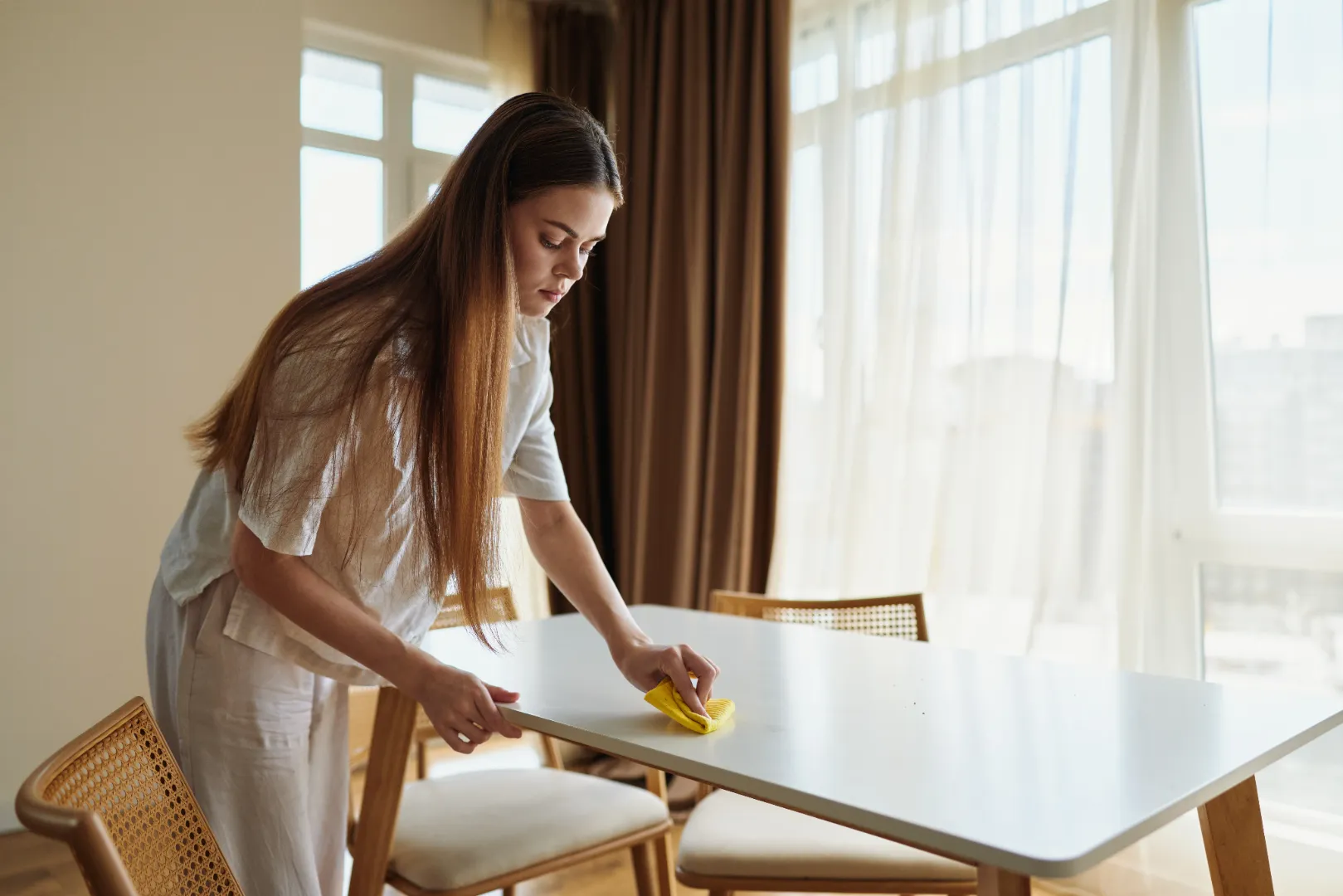
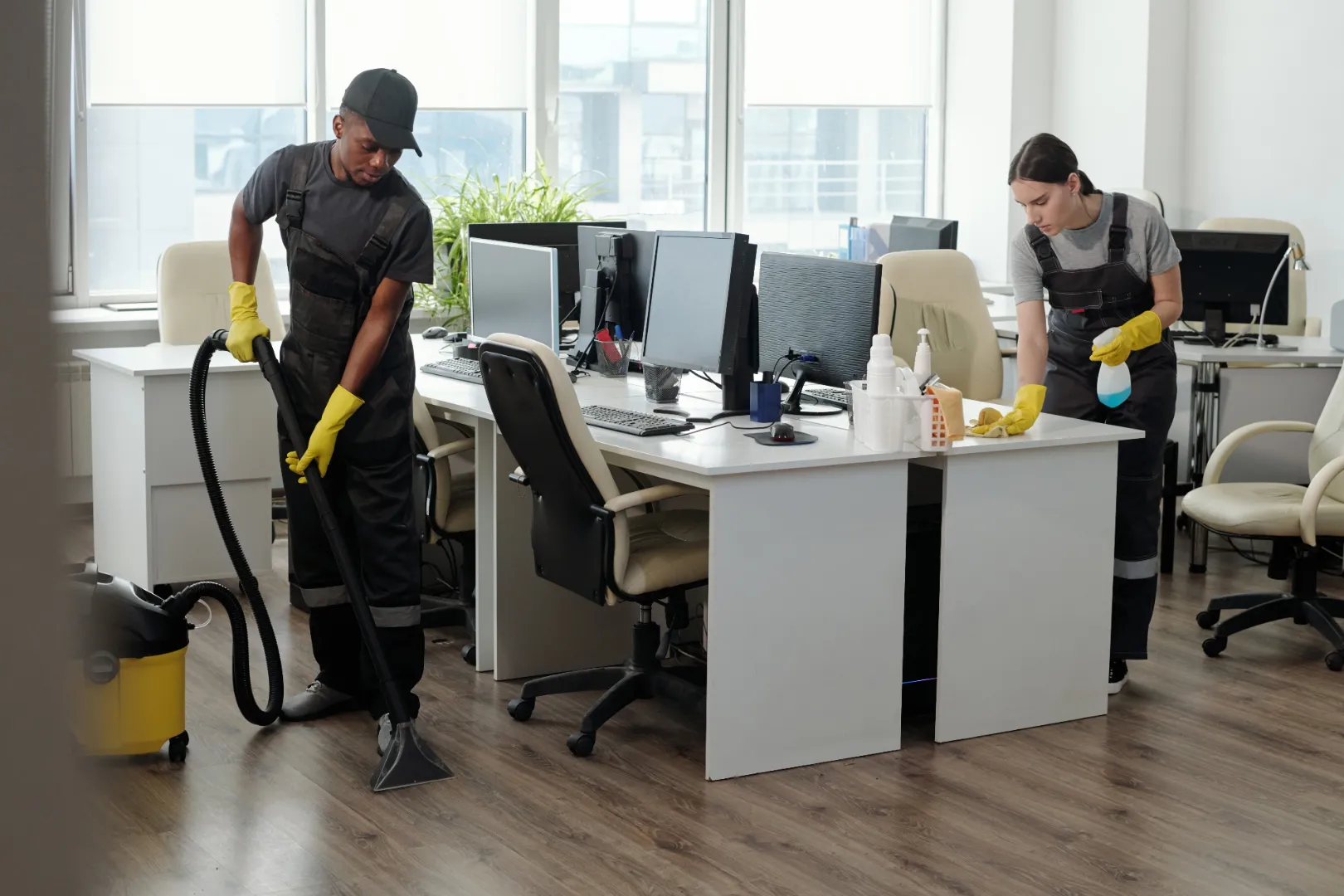
Cleaning is the process of removing dirt, dust, food particles, grease, spills, and other unwanted materials from surfaces. It is generally performed using water, soap, detergent, or a suitable cleaning product.
The main purpose of cleaning is to make an area visibly clean and remove substances that can collect germs. However, cleaning alone does not necessarily kill bacteria, viruses, or other microorganisms.
Think about a desk that has accumulated dust, coffee stains, and fingerprints throughout the day. Wiping it with a suitable cleaner removes the visible mess. The desk looks better and is more pleasant to use, but some germs can remain on the surface.
Cleaning is an essential first step in maintaining hygiene because dirt and organic matter can interfere with the effectiveness of some sanitizing products.
Examples of Cleaning
Cleaning takes place in almost every indoor environment. Common examples include:
- Wiping dust from desks, shelves, and office furniture.
- Mopping floors to remove dirt and footprints.
- Washing dishes to remove food residue and grease.
- Cleaning bathroom sinks, toilets, and mirrors.
- Removing fingerprints and smudges from door handles and glass.
- Vacuuming carpets to remove dust, crumbs, and debris.
The cleaning method depends on the surface and the type of dirt being removed. For example, greasy kitchen equipment might require a degreasing product, while glass surfaces need a cleaner that does not leave streaks.
What Is Sanitizing?
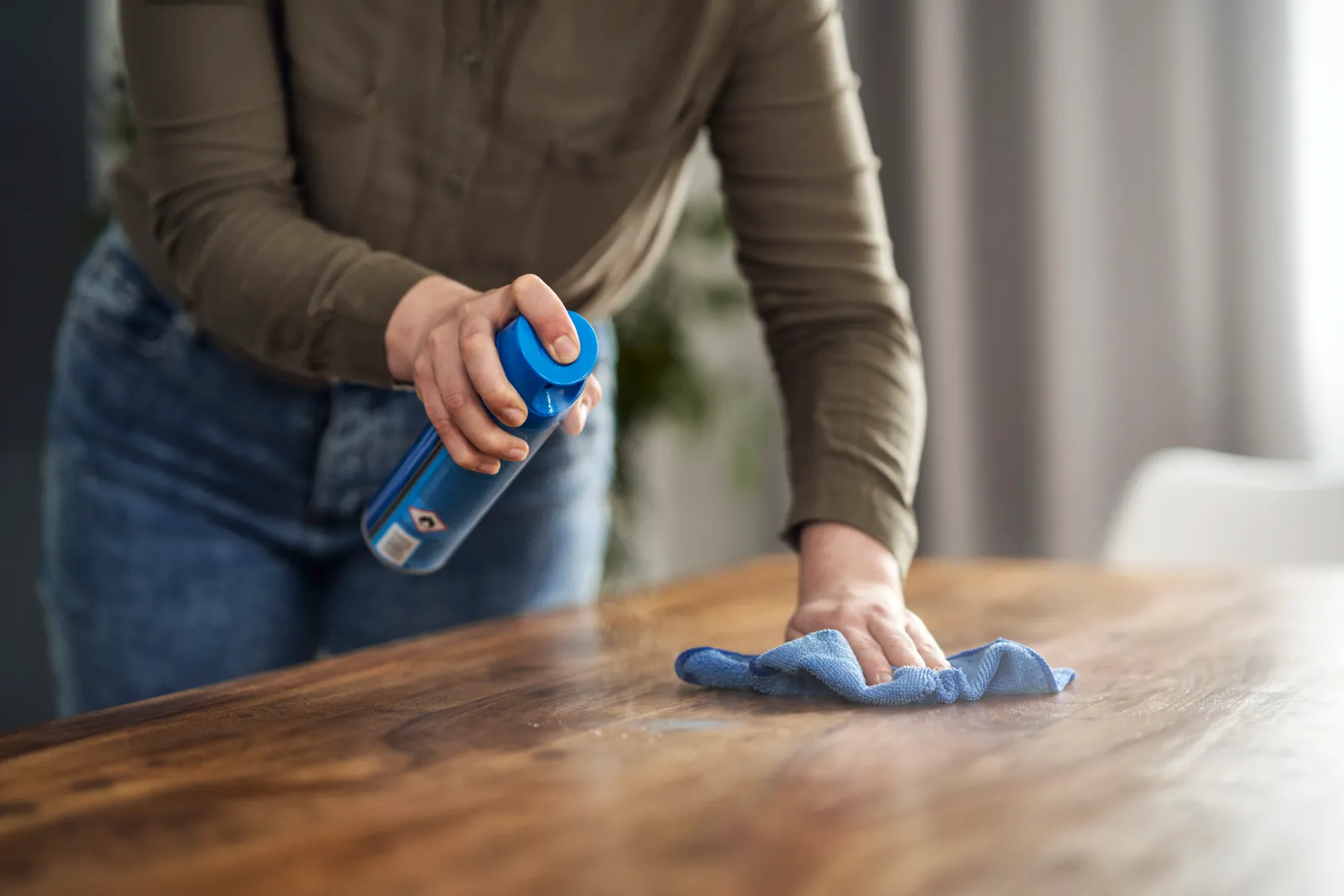
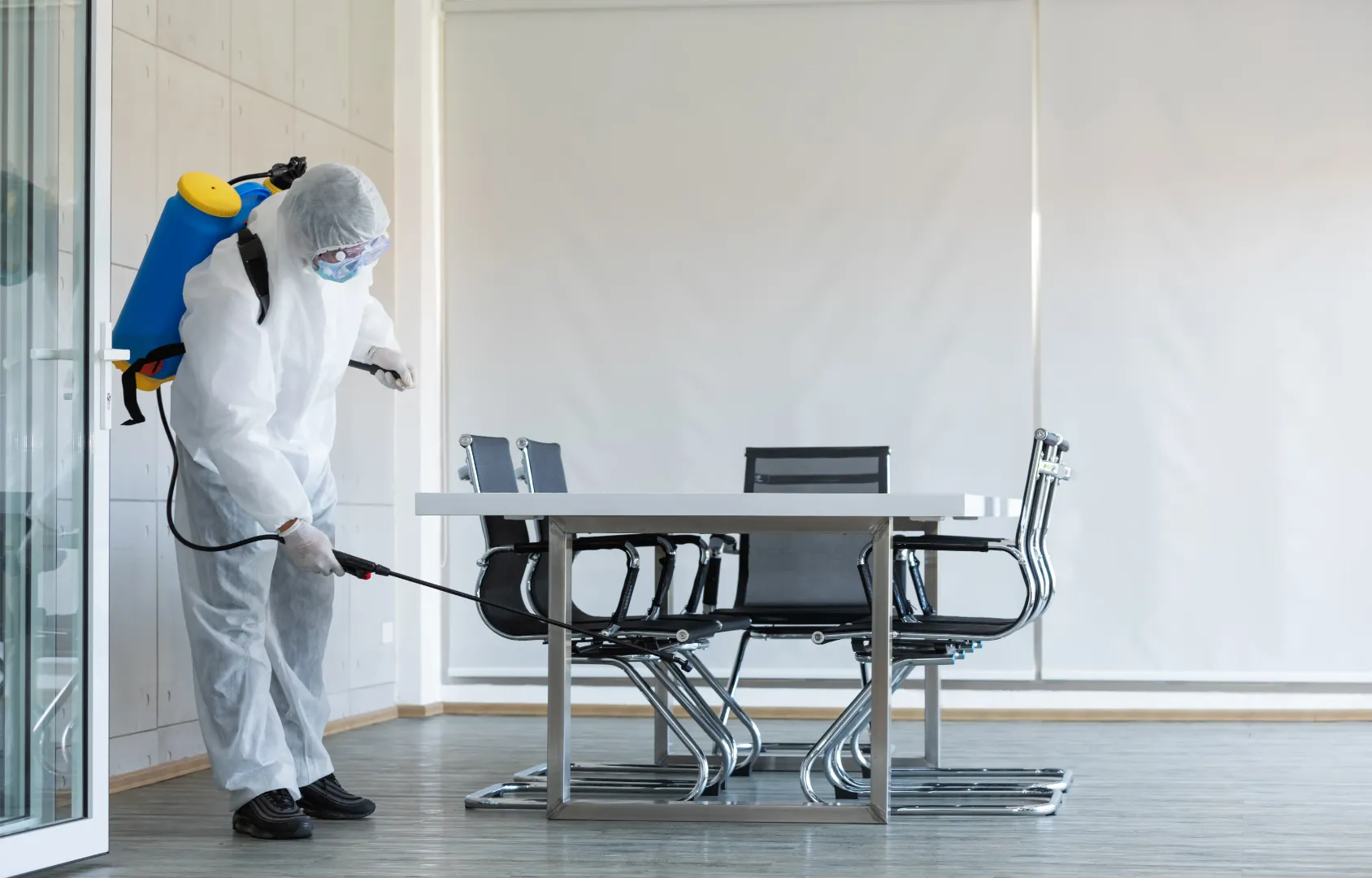
Sanitizing is the process of reducing the number of microorganisms on a surface to a level considered safe under applicable public health standards. Sanitizing does not necessarily eliminate every germ, but it helps reduce the risk of spreading harmful microorganisms.
Sanitizing products are designed for specific surfaces and purposes. Some products use chemicals, while certain equipment uses heat or other approved methods. The correct product and procedure depend on the environment and the surface being treated.
Sanitizing is particularly important in areas where food is prepared, people frequently touch shared surfaces, or contamination could create health risks.
For example, after cleaning a food preparation counter, a suitable food-contact surface sanitizer can be applied according to its label instructions. This additional step helps reduce microorganisms that could remain after cleaning.
Examples of Sanitizing
Sanitizing is commonly used in places where hygiene standards are important. Examples include:
- Sanitizing food preparation counters after cleaning.
- Treating food-contact equipment in commercial kitchens.
- Sanitizing approved utensils and food preparation tools.
- Sanitizing shared surfaces in offices when required by the workplace hygiene plan.
- Sanitizing certain surfaces in childcare facilities and other shared environments.
It is important to select a product approved for the intended use. A product designed for general surfaces is not automatically suitable for surfaces that come into direct contact with food.
Cleaning vs. Sanitizing: Key Differences
The main difference between cleaning and sanitizing is their purpose. Cleaning removes unwanted materials from a surface, while sanitizing reduces microorganisms to an appropriate level.
Cleaning vs. Sanitizing: Key Differences
| Factor | Cleaning | Sanitizing |
|---|---|---|
| Main purpose | Removes dirt, grease, dust, and residue | Reduces microorganisms to a specified safe level |
| Primary focus | Visible cleanliness | Microbial reduction |
| Common products | Soap, detergent, and surface cleaners | Approved chemical sanitizers or other suitable methods |
| Removes visible dirt | Yes | Not necessarily |
| Reduces germs | Can remove some germs | Specifically intended to reduce microorganisms |
| When to use | Routine maintenance and before further treatment | When hygiene requirements call for additional germ reduction |
| Typical example | Wiping a dirty table | Applying an approved sanitizer after cleaning a food preparation table |
Both processes are important, but they are not interchangeable. A surface can look clean and still contain microorganisms. Likewise, applying a sanitizer to a dirty surface might not produce the intended results.
Can You Sanitize Without Cleaning First?
In many situations, cleaning should take place before sanitizing. Dirt, grease, food residue, and other organic materials can reduce the effectiveness of some sanitizers.
For example, imagine a restaurant employee spills sauce on a preparation counter. Spraying sanitizer directly over the spill does not properly address the food residue. The employee should remove the spill, clean the surface, and then apply a suitable sanitizer.
The same principle applies to many commercial environments. Removing dirt first allows the sanitizing product to contact the surface more effectively.
Some products combine cleaning and sanitizing functions. These products can be useful when they are appropriate for the surface and the task. However, staff must follow the product label to confirm whether one application is sufficient or whether separate steps are required.
Always check the required contact time, which is the amount of time a product must remain on the surface to work as intended.
When Should You Clean and When Should You Sanitize?
The right approach depends on the type of surface, the level of use, and the risk of contamination.
Offices and Workplaces
Routine office cleaning includes dusting furniture, vacuuming carpets, emptying waste bins, and cleaning floors. These tasks help maintain a comfortable and professional workspace.
Sanitizing can be appropriate for shared equipment and frequently touched surfaces, particularly when required by workplace hygiene procedures. Examples include shared keyboards, breakroom counters, and certain communal surfaces.
The frequency depends on how many people use the space, the type of work performed, and the possibility of contamination.
Restaurants and Food Preparation Areas
Restaurants require careful attention to both cleaning and sanitizing. Food preparation counters, utensils, and equipment need appropriate treatment to reduce the risk of cross-contamination.
Food-contact surfaces should be cleaned and sanitized according to applicable food safety requirements. Employees should also wash their hands properly and use separate equipment when necessary to prevent raw foods from contaminating ready-to-eat foods.
Cleaning schedules should reflect the type of food handled, the equipment used, and the level of activity in the kitchen.
Bathrooms and Restrooms
Cleaning removes soap residue, dirt, stains, and other visible messes from bathroom surfaces. Sanitizing can provide additional microbial reduction on appropriate surfaces when required.
Toilet bowls, sinks, faucets, and door handles need suitable cleaning methods. Some situations also call for disinfection, which is a separate process used to kill or inactivate specific microorganisms according to a product's claims.
Different surfaces can require different products, so it is important to follow the manufacturer's instructions.
Schools and Childcare Facilities
Schools and childcare facilities have shared desks, toys, tables, and other frequently touched items. Regular cleaning helps remove dirt and materials that accumulate during daily activities.
Sanitizing is particularly relevant for certain food-contact surfaces and items that children place in their mouths, where applicable guidelines require it. Toys and other objects should be treated with products suitable for their intended use.
A consistent schedule helps staff maintain hygiene without applying unnecessary chemicals to every surface.
What Is the Difference Between Cleaning, Sanitizing, and Disinfecting?
Cleaning, sanitizing, and disinfecting are related processes, but each has a different purpose.
- Cleaning: Removes dirt, dust, grease, and other materials from surfaces.
- Sanitizing: Reduces microorganisms to levels considered safe under applicable public health standards.
- Disinfecting: Kills or inactivates specified microorganisms on surfaces when used according to the product label.
Disinfecting is often used when a higher level of microbial control is needed, such as in certain healthcare settings or when a surface has been contaminated by bodily fluids.
Disinfectants are not always necessary for routine cleaning. The appropriate method depends on the environment, the contamination risk, and relevant health and safety guidance.
A surface should be cleaned before disinfection when the product instructions require it. Sanitizing and disinfecting products should never be mixed unless the manufacturer explicitly permits the combination.
Common Mistakes to Avoid
Even when cleaning and sanitizing are part of a regular maintenance routine, a few mistakes can reduce their effectiveness.
- Using sanitizer on a dirty surface
Food residue and grease can interfere with some sanitizers. Remove visible dirt and clean the surface first when required.
- Not allowing enough contact time
Some products need to remain wet on a surface for a specified period. Wiping them away too soon can prevent them from working as intended.
- Choosing the wrong product
A bathroom cleaner, food-contact sanitizer, and general-purpose surface cleaner serve different purposes. Always check the label before using a product.
- Assuming a clean surface is germ-free
Visible cleanliness does not guarantee that microorganisms have been eliminated. Certain areas require additional sanitizing or disinfection.
- Ignoring manufacturer instructions
Incorrect dilution, poor ventilation, or improper handling can affect product performance and create safety risks. Follow the instructions and use appropriate protective equipment when required.
Why Cleaning and Sanitizing Matter for Commercial Properties
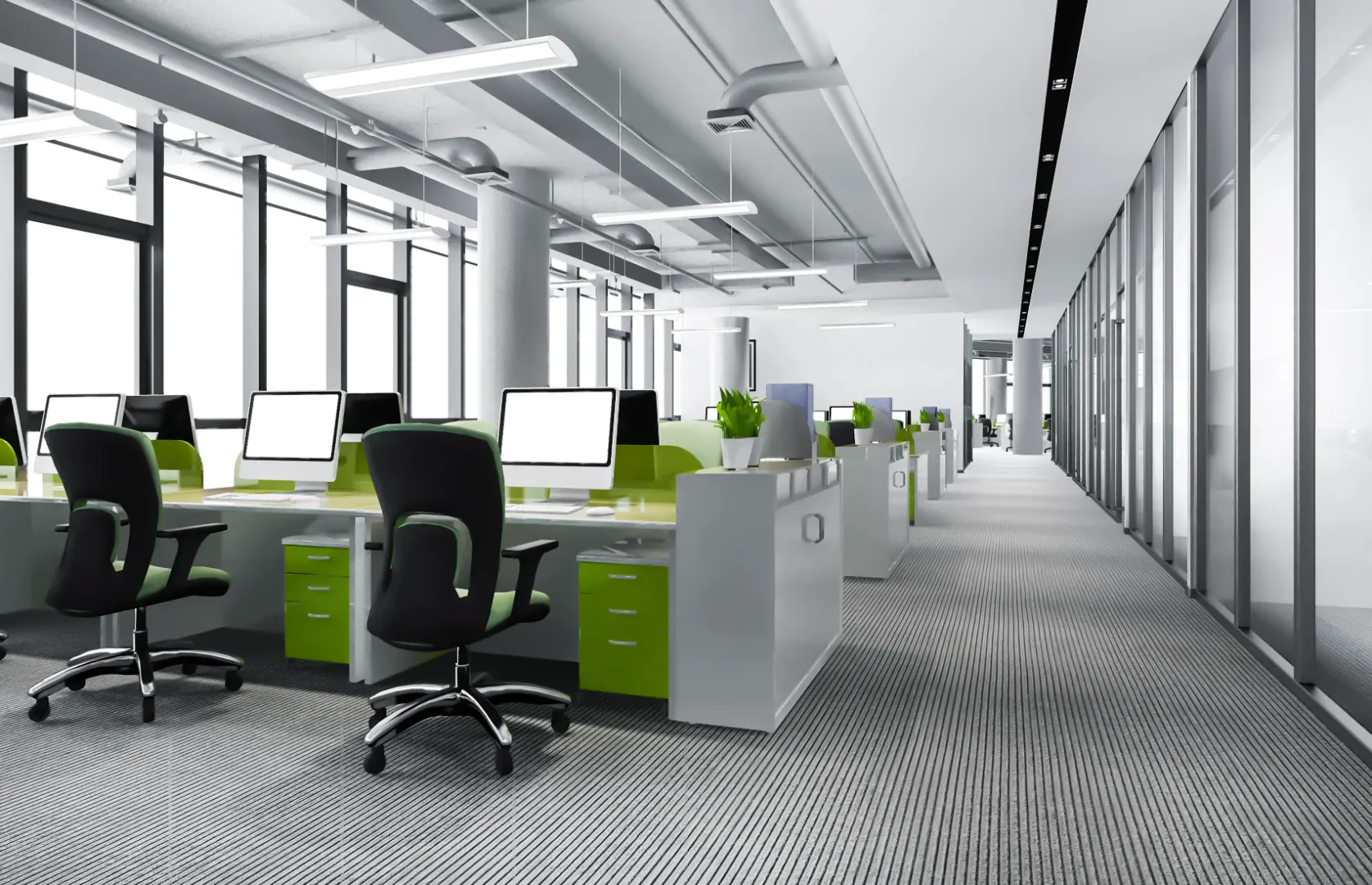
For commercial properties, cleaning and sanitizing contribute to a healthier and more professional environment. Customers notice dirty floors, stained counters, dusty furniture, and unpleasant odors. Employees also benefit from workspaces that receive consistent care.
A well-planned maintenance routine helps businesses identify which tasks need daily attention and which require additional hygiene measures. It can also help staff use cleaning products more effectively instead of applying the same method to every surface.
Commercial cleaning plans should consider the building's purpose, foot traffic, shared facilities, and industry requirements. Restaurants, medical facilities, offices, and retail spaces do not all have the same hygiene needs.
Professional cleaning services can help businesses establish suitable schedules, select appropriate products, and maintain consistent standards throughout the property.
Frequently Asked Questions
Is cleaning the same as sanitizing?
No. Cleaning removes dirt, grease, and other materials from surfaces. Sanitizing reduces microorganisms to levels considered safe under applicable public health standards.
Does cleaning remove germs?
Cleaning can remove some germs from surfaces along with dirt and other materials. However, it does not necessarily kill or eliminate all microorganisms.
Should you clean before sanitizing?
Yes, cleaning first is important in many situations because dirt and organic matter can interfere with sanitizing products. Follow the product label for the correct procedure.
How often should surfaces be sanitized?
The frequency depends on the type of surface, how often it is used, the risk of contamination, and any applicable hygiene requirements. Food preparation surfaces, for example, require sanitizing according to relevant food safety procedures.
Is sanitizing better than cleaning?
Neither process replaces the other. Cleaning removes dirt and residue, while sanitizing reduces microorganisms. Using both when appropriate provides a more complete approach to hygiene.
Can cleaning products and sanitizers be used together?
Yes, if the product labels allow it. Never mix cleaning chemicals, as they can cause dangerous reactions.
Does hot water sanitize surfaces better than cold water?
Not always. Sanitizing depends on the water temperature, contact time, and the method used.
Can hand sanitizer replace handwashing?
No. Soap and water remove dirt and grease, while hand sanitizer reduces germs on the hands.
How can you tell if a surface has been properly sanitized?
Follow the product label for dilution, application, and contact time. Test strips can check sanitizer concentration when required.
Are natural cleaning products effective at sanitizing surfaces?
Not all natural cleaners sanitize surfaces. Check the label for specific sanitizing claims and approved uses.
Conclusion
Cleaning and sanitizing serve different purposes, but both are important for maintaining a hygienic environment. Cleaning removes dirt, dust, grease, and other unwanted materials, while sanitizing reduces microorganisms on suitable surfaces.
For homes and commercial properties, the best approach depends on the space and its intended use. Routine cleaning is necessary for everyday maintenance, while sanitizing is important in areas where additional microbial control is required.
By understanding when to use each process, businesses can maintain cleaner workspaces, follow appropriate hygiene practices, and provide a more comfortable environment for employees and visitors.