- 01What Does Industrial Cleaning Mean?
- 02Where Is Industrial Cleaning Used?
- 03What Does Industrial Cleaning Include?
- 04Why Is Industrial Cleaning Important?
- 05Industrial Cleaning vs. Commercial Cleaning
- 06How Often Should an Industrial Facility Be Cleaned?
- 07What Equipment Is Used for Industrial Cleaning?
- 08What Should You Look for in an Industrial Cleaning Company?
- 09Is Industrial Cleaning Necessary for Small Facilities?
- 10Frequently Asked Questions
- 11Conclusion
Key Takeaways
- Industrial cleaning is specialized cleaning for factories, warehouses, manufacturing plants, and other demanding work environments.
- Industrial cleaning includes floor cleaning, machinery cleaning, degreasing, pressure washing, high-level cleaning, and waste removal.
- Regular cleaning helps reduce workplace hazards, support equipment maintenance, improve organization, and maintain hygiene.
- Industrial cleaning requires specialized equipment, cleaning methods, and safety procedures that differ from standard commercial cleaning.
- The right cleaning schedule depends on the facility, production process, equipment, traffic, and type of contaminants present.
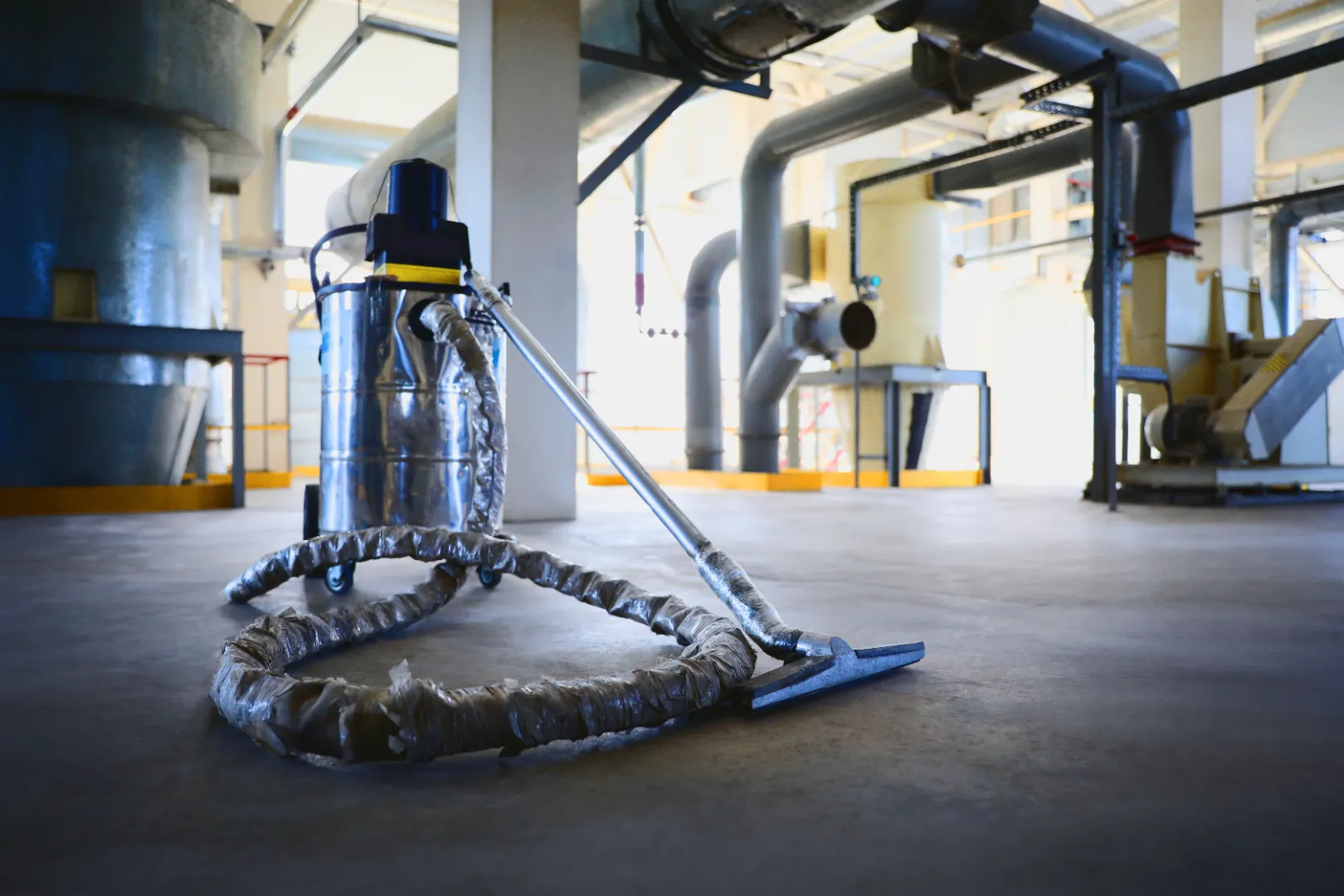
Industrial cleaning is the process of cleaning and maintaining factories, warehouses, manufacturing plants, production facilities, and other large industrial spaces. It goes far beyond regular office or commercial cleaning because industrial sites often deal with heavy machinery, chemicals, dust, grease, oil, production waste, and other materials that require specialized cleaning methods.
A clean industrial facility is not just about appearance. Regular cleaning can help keep equipment working properly, reduce workplace hazards, support health and safety requirements, and create a more organized working environment.
Industrial cleaning may involve anything from cleaning floors and machinery to removing industrial waste, degreasing equipment, cleaning high areas, and handling difficult buildup.
What Does Industrial Cleaning Mean?
Industrial cleaning refers to professional cleaning services designed specifically for industrial environments.
These environments can become dirty much faster than ordinary commercial buildings. Manufacturing processes may produce dust, metal particles, oil, grease, residue, and other contaminants. Warehouses may accumulate dirt around loading areas, while food production facilities have their own strict cleaning requirements.
Industrial cleaning companies use specialized equipment, cleaning products, and techniques to deal with these conditions safely and effectively.
The exact cleaning process depends on the type of facility, the work being performed there, the equipment involved, and the type of contamination present.
Where Is Industrial Cleaning Used?
Industrial cleaning is needed in many different types of facilities. Some common examples include:
- Manufacturing plants
- Warehouses and distribution centers
- Factories
- Food processing facilities
- Automotive facilities
- Pharmaceutical plants
- Power plants
- Chemical facilities
- Industrial kitchens
- Construction and production sites
- Storage facilities
- Equipment and machinery areas
Each facility has different cleaning needs. A food processing plant, for example, may require strict sanitation procedures, while a manufacturing facility may need regular oil and grease removal.
What Does Industrial Cleaning Include?
Industrial cleaning can cover a wide range of services. The cleaning plan is usually customized according to the facility and its daily operations.
Floor Cleaning
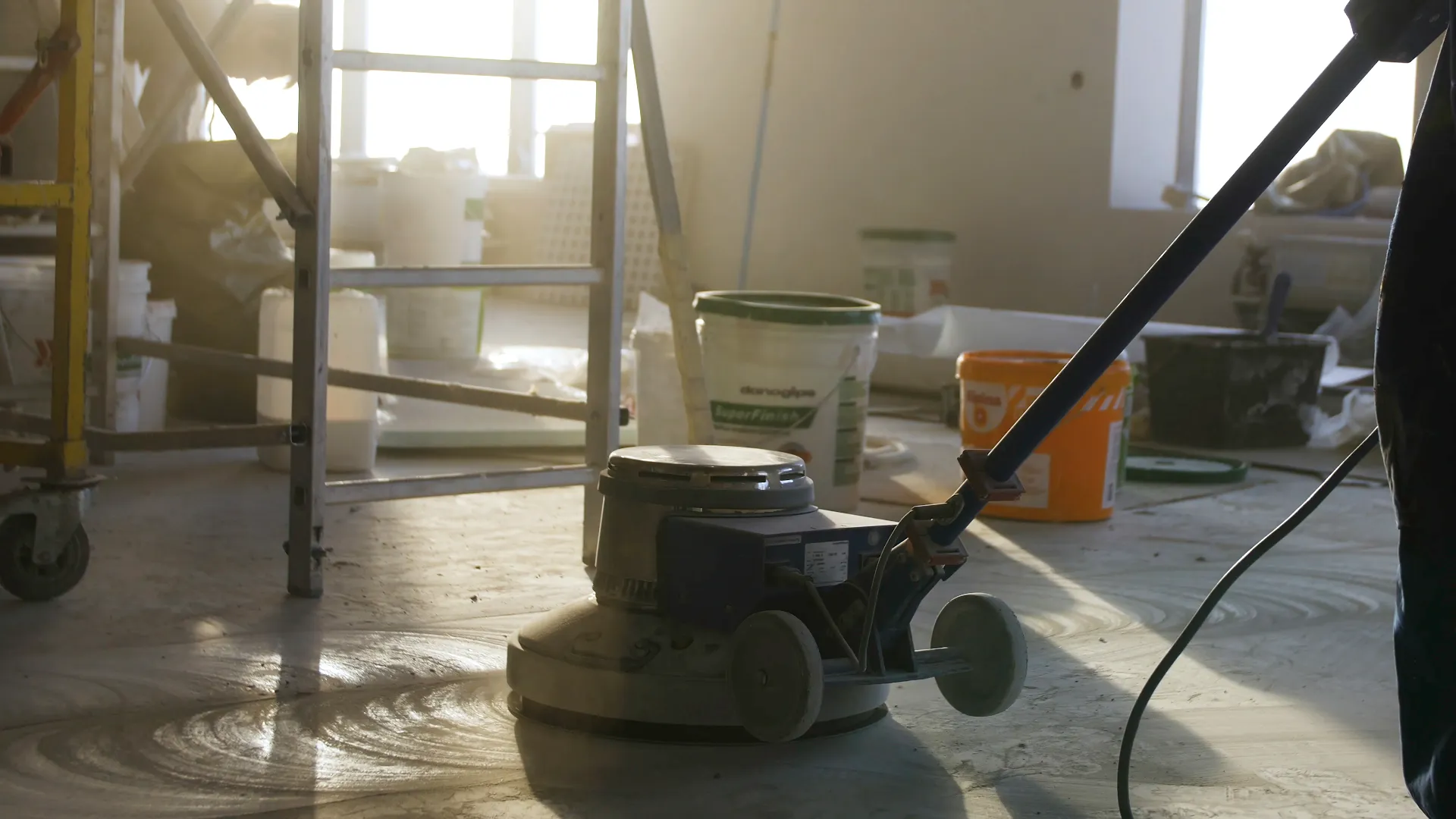
Industrial floors can collect dirt, dust, oil, grease, production residue, and other materials.
Professional cleaners may use industrial floor scrubbers, pressure washers, vacuums, or other equipment to clean large floor areas efficiently.
Keeping floors clean can also help reduce slip and trip hazards, particularly in areas where liquids or grease are present.
Machinery Cleaning
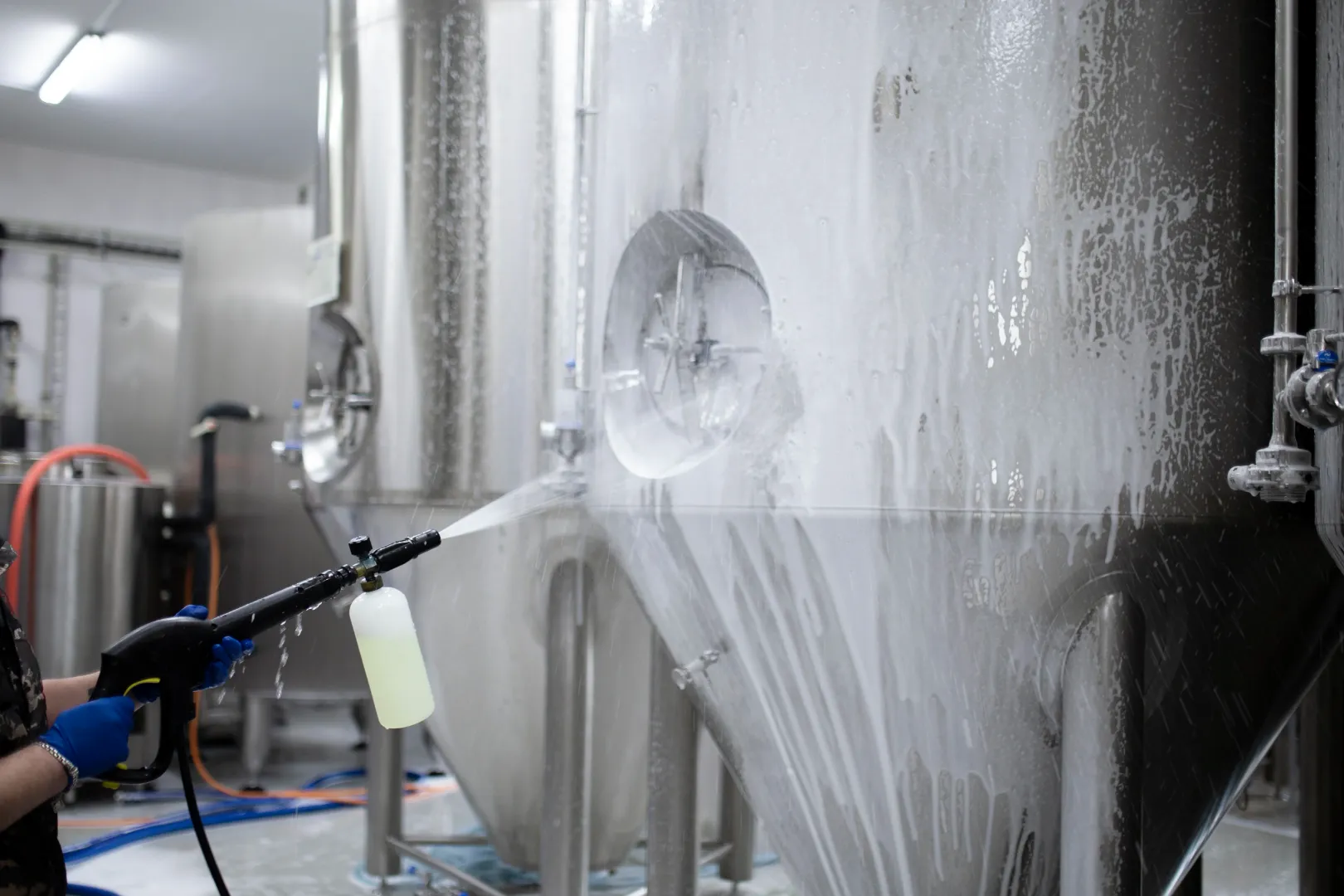
Machinery can collect dust, grease, oil, and production residue over time. If this buildup is ignored, it may interfere with equipment operation or make maintenance more difficult.
Industrial cleaners use appropriate methods to clean around machinery without damaging sensitive components.
Some equipment may require manual cleaning, while other applications may involve pressure washing, steam cleaning, or specialized degreasing products.
Degreasing
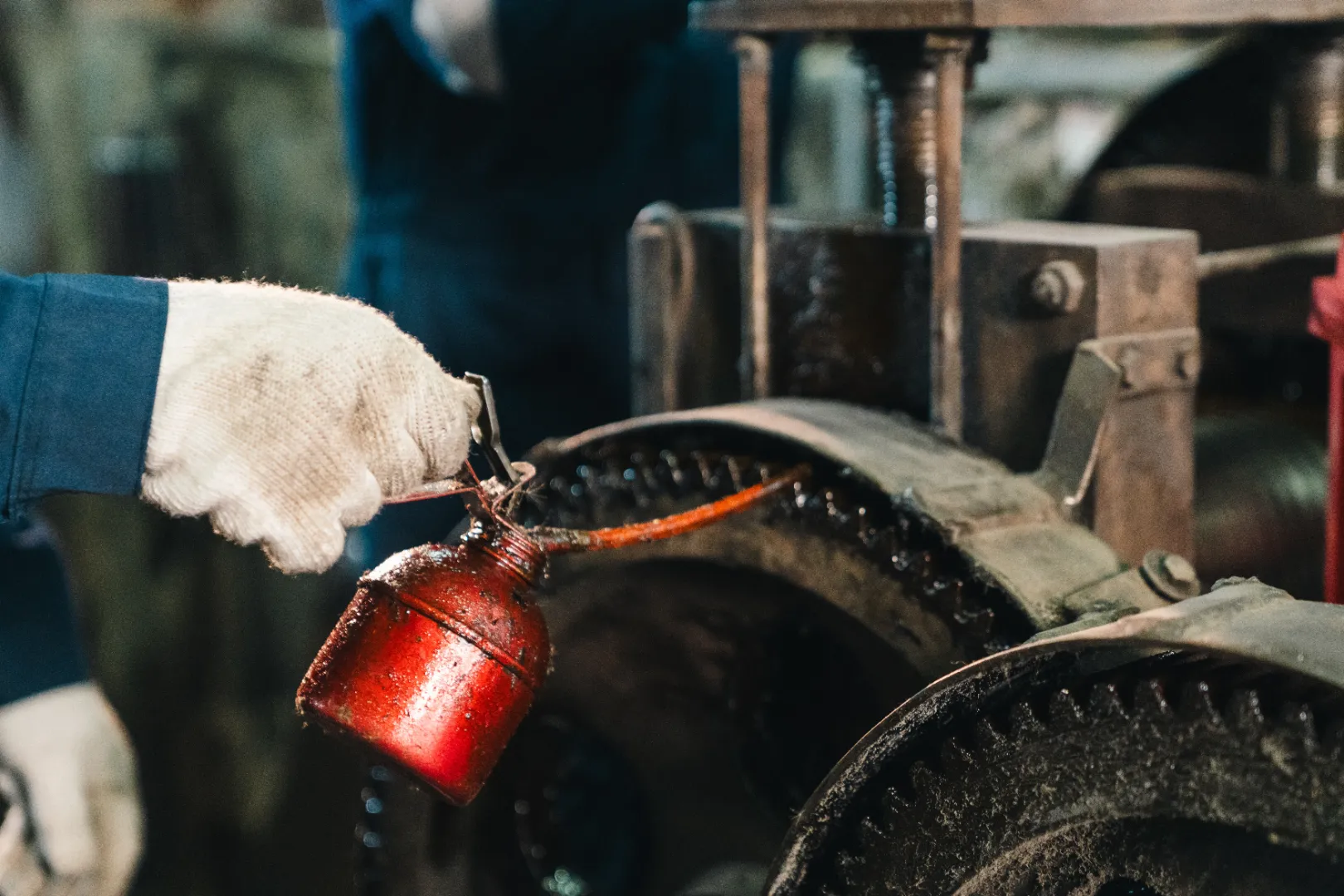
Oil and grease are common problems in many industrial environments.
Degreasing involves removing oil, grease, and other stubborn substances from equipment, floors, tools, and surfaces. Depending on the material being cleaned, professionals may use commercial degreasers, hot water, steam, or other cleaning methods.
The right method matters because using an unsuitable product can damage certain surfaces or equipment.
Pressure Washing
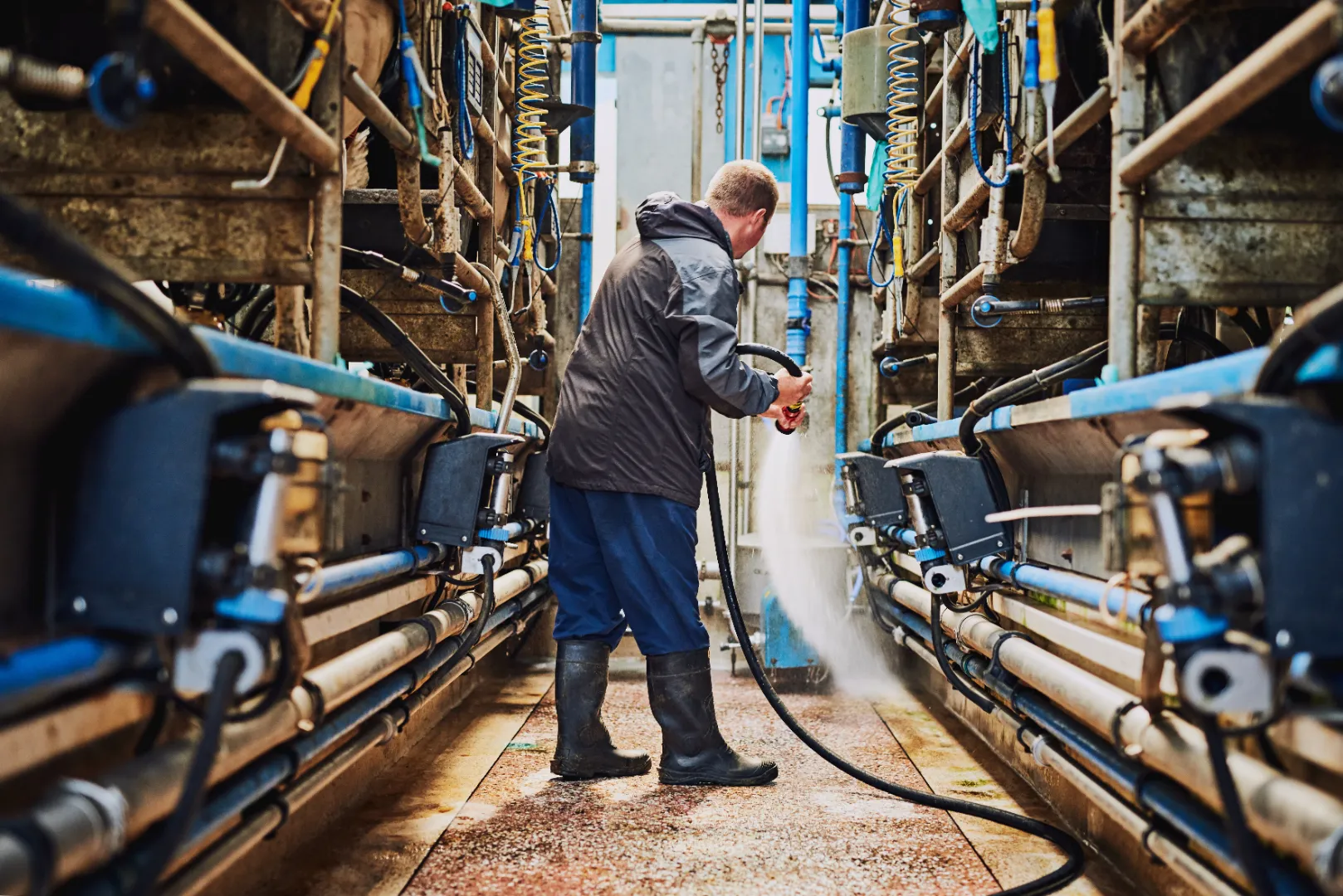
Pressure washing is commonly used when large or heavily contaminated surfaces need deep cleaning.
It can be used for exterior walls, floors, loading areas, concrete surfaces, machinery, and other durable surfaces.
Pressure washing can remove dirt and buildup that may be difficult to remove through normal cleaning.
However, high-pressure water is not suitable for every surface or piece of equipment. Professional cleaners need to determine the appropriate pressure and cleaning method for each application.
High-Level Cleaning
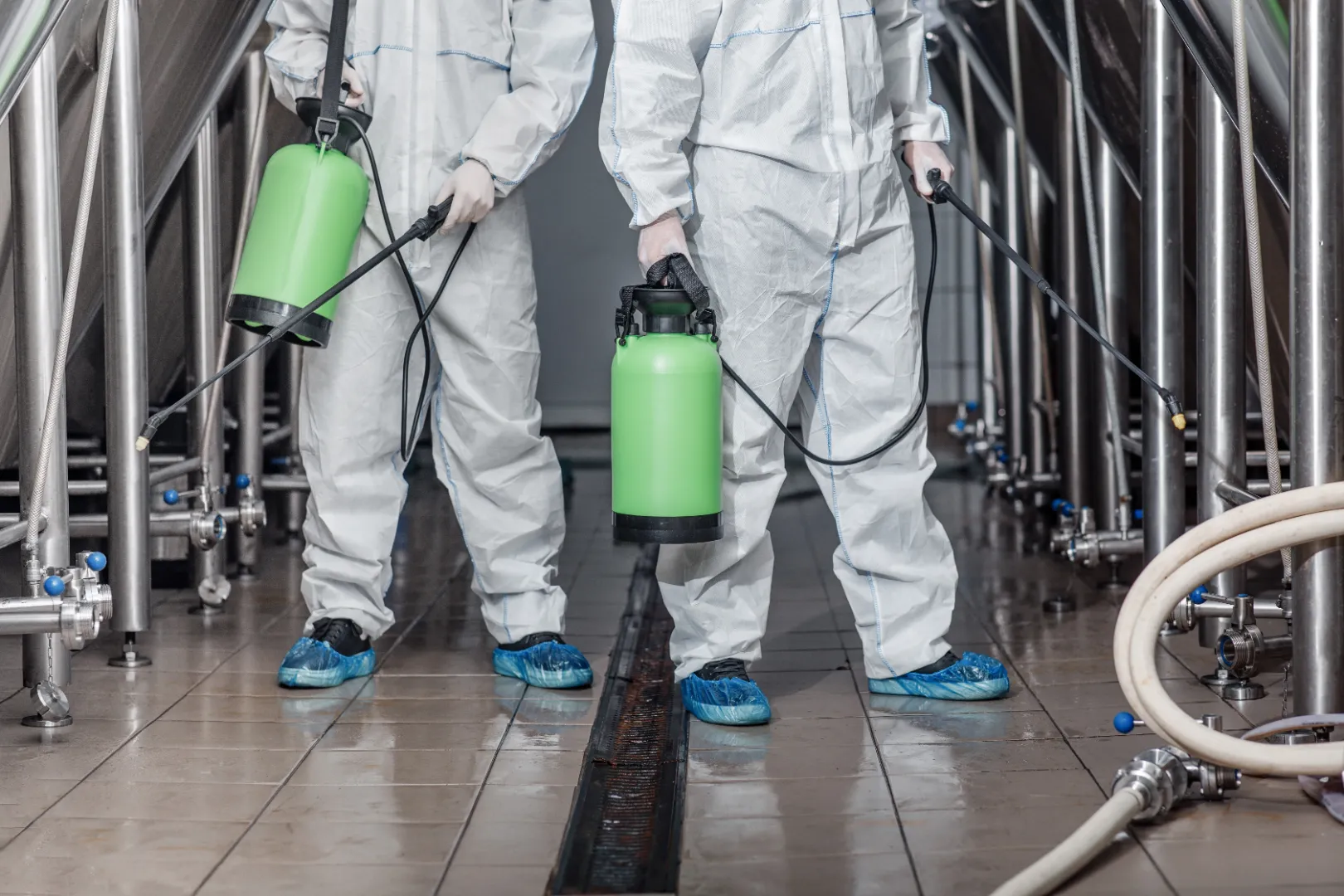
Industrial facilities often have high ceilings, beams, pipes, vents, lights, and other elevated structures.
Dust can accumulate in these areas and eventually fall onto equipment, products, or work surfaces.
High-level cleaning involves removing dust and debris from elevated areas using appropriate equipment and safety procedures. This type of cleaning is particularly useful in large warehouses and manufacturing facilities where elevated surfaces are difficult to reach during routine cleaning.
Waste and Debris Removal
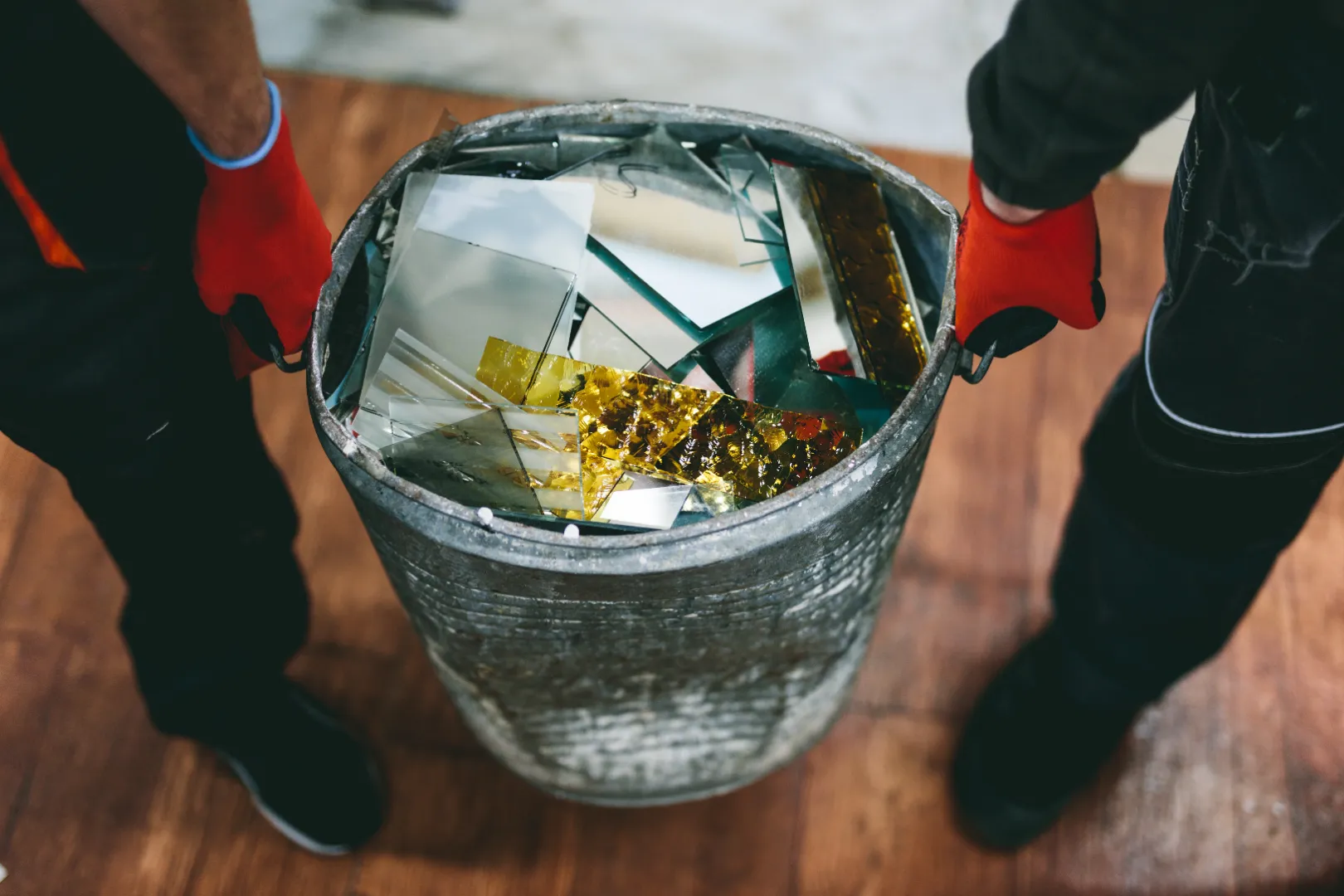
Industrial operations can produce significant amounts of waste and debris.
Cleaning crews may remove general waste, production debris, packaging materials, dust, and other permitted materials from designated areas.
Certain types of industrial waste require specific handling and disposal procedures. Facilities should follow applicable regulations and use qualified professionals when specialized waste handling is required.
Why Is Industrial Cleaning Important?
Industrial cleaning is important for several reasons.
It Helps Improve Workplace Safety
Industrial environments can contain hazards that are not usually found in offices or retail spaces.
Oil on floors, accumulated dust, debris, blocked walkways, and clutter can increase workplace risks.
Routine cleaning helps keep work areas more organized and can reduce some common hazards.
Cleaning does not replace a complete workplace safety program, but it is an important part of maintaining a safer facility.
It Supports Equipment Maintenance
Dust, grease, oil, and residue can accumulate on industrial equipment.
Regular cleaning can make it easier for maintenance teams to inspect machinery and identify problems. It may also help prevent excessive buildup that can interfere with equipment operation.
Clean equipment can also make routine maintenance tasks easier to perform.
It Can Improve Productivity
A cluttered or dirty work environment can make everyday tasks more difficult.
When floors, work areas, equipment, and storage spaces are properly maintained, employees can work in a more organized environment.
Industrial cleaning can also reduce the amount of time employees spend dealing with cleaning tasks that are outside their main responsibilities.
It Supports Hygiene
Some industrial facilities have strict hygiene requirements, particularly those involved in food, pharmaceuticals, healthcare products, and similar industries.
Regular cleaning and sanitation help control dirt, microorganisms, and other contaminants.
The cleaning requirements will vary depending on the industry and applicable standards.
It Protects the Facility
Dirt and contaminants can gradually affect floors, equipment, walls, and other surfaces.
Oil and chemical residue, for example, may damage certain materials if left untreated for long periods.
Regular cleaning helps remove these substances before they become more difficult to manage.
Industrial Cleaning vs. Commercial Cleaning
Industrial cleaning and commercial cleaning are related, but they are not the same.
Commercial cleaning usually refers to cleaning spaces such as offices, retail stores, restaurants, and other business premises.
These services often include:
- Vacuuming
- Dusting
- Mopping
- Restroom cleaning
- Trash removal
- Surface cleaning
- Window cleaning
Industrial cleaning involves many of these basic tasks but often requires additional equipment, training, and safety procedures.
Industrial facilities may have heavy machinery, industrial chemicals, production residue, high ceilings, large floor areas, and other conditions that require specialized cleaning.
In simple terms, commercial cleaning focuses mainly on maintaining business spaces, while industrial cleaning is designed for demanding industrial environments.
How Often Should an Industrial Facility Be Cleaned?
There is no single cleaning schedule that works for every industrial facility.
Some areas may need cleaning several times a day, while other areas may only require weekly, monthly, or periodic deep cleaning.
The appropriate schedule depends on factors such as:
- Type of industrial operation
- Amount of dust or debris produced
- Number of employees
- Machinery and equipment used
- Type of materials handled
- Facility size
- Industry requirements
- Workplace safety requirements
- Production schedule
High-traffic areas and surfaces exposed to oil, grease, or production waste may need more frequent attention.
A professional cleaning company can assess the facility and help create a cleaning schedule based on actual conditions.
What Equipment Is Used for Industrial Cleaning?
Industrial cleaning often requires equipment that is more powerful than what is used for regular commercial cleaning.
Common equipment can include:
- Industrial vacuum cleaners
- Floor scrubbers
- Floor sweepers
- Pressure washers
- Steam cleaners
- Wet and dry vacuums
- Industrial mops
- High-reach cleaning equipment
- Specialized brushes
- Industrial cleaning chemicals
The equipment used depends on the surface, type of contamination, size of the area, and cleaning requirements.
Using the right equipment can make cleaning faster while reducing the risk of damaging surfaces or machinery.
What Should You Look for in an Industrial Cleaning Company?
Choosing an industrial cleaning company requires more than simply comparing prices.
Look for a company that understands the type of environment you operate in and has experience handling similar facilities.
It is useful to consider:
- Experience with industrial facilities
- Trained cleaning staff
- Appropriate cleaning equipment
- Proper safety procedures
- Flexible cleaning schedules
- Experience with specialized cleaning
- Clear communication
- Proper insurance and business credentials
- Ability to work around production schedules
You should also explain your facility's specific requirements before hiring a cleaning company. A good cleaning plan should take into account your operating hours, equipment, high-traffic areas, and any special cleaning concerns.
Is Industrial Cleaning Necessary for Small Facilities?
Industrial cleaning is not limited to huge factories.
A smaller manufacturing facility or warehouse can also benefit from professional industrial cleaning if its operations produce grease, dust, debris, or other difficult-to-remove materials.
The size of the building is less important than the cleaning conditions inside it.
Even a relatively small facility can require specialized cleaning if it operates heavy machinery or handles materials that create significant buildup.
Frequently Asked Questions
1. Can industrial cleaning be performed while a facility is operating?
Yes. Many industrial cleaning services can be scheduled around production hours or performed in selected areas while operations continue. The cleaning plan should account for employee safety, equipment operation, and production schedules.
2. How is industrial cleaning planned for a manufacturing facility?
A cleaning plan typically considers the facility layout, production processes, equipment, types of contaminants, high-risk areas, and operating schedule. These factors help determine which areas require routine cleaning and which need periodic deep cleaning.
3. Can industrial cleaners work around sensitive equipment?
Yes, provided the cleaning team understands the equipment and uses suitable methods. Sensitive machinery may require controlled cleaning techniques to prevent moisture, chemicals, or debris from affecting components.
4. What happens if industrial cleaning is not performed regularly?
Poor cleaning practices can allow dust, grease, residue, and debris to build up. Over time, this may make maintenance more difficult, create housekeeping problems, affect equipment areas, and contribute to workplace hazards.
5. Can industrial cleaning help with odor problems?
It can, depending on the source of the odor. Removing accumulated waste, residue, grease, and other contaminants can help address some industrial odors. Persistent odors may require investigation to identify the underlying source.
6. How do industrial cleaners handle areas that are difficult to access?
Professional cleaners may use extension tools, high-reach equipment, specialized vacuums, lifts, or other access equipment depending on the location. The method should be selected based on the height, surface, and safety requirements.
7. Can industrial cleaning be customized for different shifts?
Yes. Cleaning schedules can often be arranged around different shifts, production periods, shutdowns, or maintenance windows. This allows cleaning work to be completed with less disruption to normal operations.
8. Does industrial cleaning include cleaning storage and loading areas?
It can. Storage areas, loading docks, receiving areas, and similar spaces can be included in an industrial cleaning program. These areas often require attention because of vehicle traffic, packaging materials, dust, and general debris.
9. How can a business prepare its facility for industrial cleaning?
The facility should identify restricted areas, inform employees about the cleaning schedule, secure sensitive materials, and communicate any equipment-specific requirements to the cleaning team. Clear access to the areas being cleaned can also make the process more efficient.
10. How can businesses measure the effectiveness of an industrial cleaning program?
Businesses can track factors such as cleaning completion rates, recurring problem areas, inspection results, workplace housekeeping issues, and feedback from facility or maintenance teams. Regular inspections can help identify areas where the cleaning plan needs adjustment.
Conclusion
Industrial cleaning is a specialized form of professional cleaning designed for factories, warehouses, manufacturing plants, and other demanding work environments.
It can include floor cleaning, machinery cleaning, degreasing, pressure washing, high-level cleaning, waste removal, and other specialized services.
Regular industrial cleaning helps keep facilities organized, supports workplace safety, makes equipment maintenance easier, and helps protect surfaces and machinery from excessive buildup.
The best cleaning schedule depends on the facility itself. Instead of following a one-size-fits-all approach, businesses should consider their production processes, facility size, equipment, traffic levels, and cleaning requirements when developing a maintenance plan.
For many industrial businesses, professional cleaning is not simply about making the facility look clean. It is part of maintaining a functional, organized, and productive workplace.