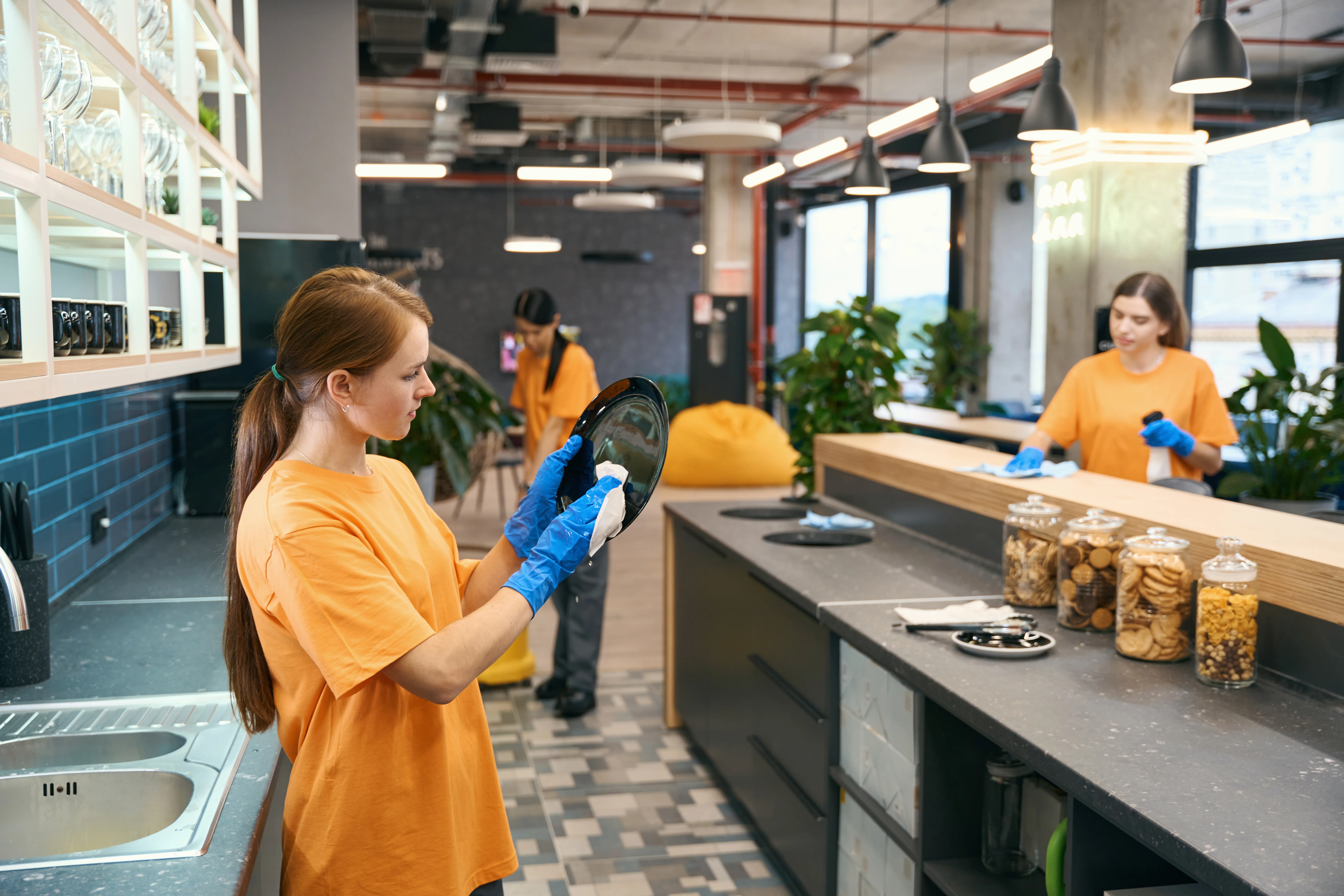
- 01What Is Commercial Cleaning?
- 02What Does Commercial Cleaning Include?
- 03Cleaning, Sanitizing, and Disinfecting Are Not the Same
- 04Commercial Cleaning vs Residential Cleaning
- 05Commercial Cleaning vs Janitorial Services
- 06Types of Commercial Cleaning Services
- 07Why Is Commercial Cleaning Important?
- 08How Often Should a Business Be Professionally Cleaned?
- 09What Should You Look for in a Commercial Cleaning Company?
- 10Is Commercial Cleaning Worth It?
- 11Commercial Cleaning FAQs
- 12Conclusion
Key Takeaways
- Commercial cleaning covers more than basic cleaning. It can include routine cleaning, restroom care, floor maintenance, waste removal, deep cleaning, carpet cleaning, and specialized services.
- Cleaning needs vary by business. Offices, restaurants, schools, warehouses, medical facilities, and industrial spaces all require different cleaning methods and schedules.
- Regular cleaning supports a healthier workplace. Removing dirt, waste, and buildup from high-traffic and frequently touched areas helps maintain workplace hygiene and a professional environment.
- A customized cleaning plan works best. The right schedule and services depend on factors such as building size, foot traffic, business type, operating hours, and specific cleaning requirements.
Walk into a clean office, store, school, or other business facility and you may not think much about the work behind it. The floors are clean, the bins are empty, the bathrooms smell fresh, and the surfaces are free from dust. It all looks simple.
But keeping a commercial building clean is very different from cleaning a home.
Commercial spaces have more people, more foot traffic, larger areas, shared surfaces, and different cleaning requirements. A busy office may need cleaning every day, while a warehouse may require specific floor care and dust control. A medical facility has even stricter cleaning needs.
So, what is commercial cleaning?
Commercial cleaning is the professional cleaning and maintenance of business, institutional, and other non-residential spaces. It can include regular cleaning, deep cleaning, floor care, restroom cleaning, waste removal, disinfection, window cleaning, and other specialized services depending on the type of facility.
In this guide, we will look at what commercial cleaning involves, what services are included, how it differs from residential cleaning, and why businesses use professional commercial cleaners.
What Is Commercial Cleaning?
Commercial cleaning is the cleaning of workplaces and other commercial or institutional properties by professional cleaners.
These properties can include:
- Office buildings
- Retail stores
- Schools and universities
- Medical offices and clinics
- Restaurants
- Warehouses
- Factories
- Gyms
- Hotels
- Government buildings
- Banks
- Apartment and commercial common areas
The exact cleaning work depends on the building and how it is used.
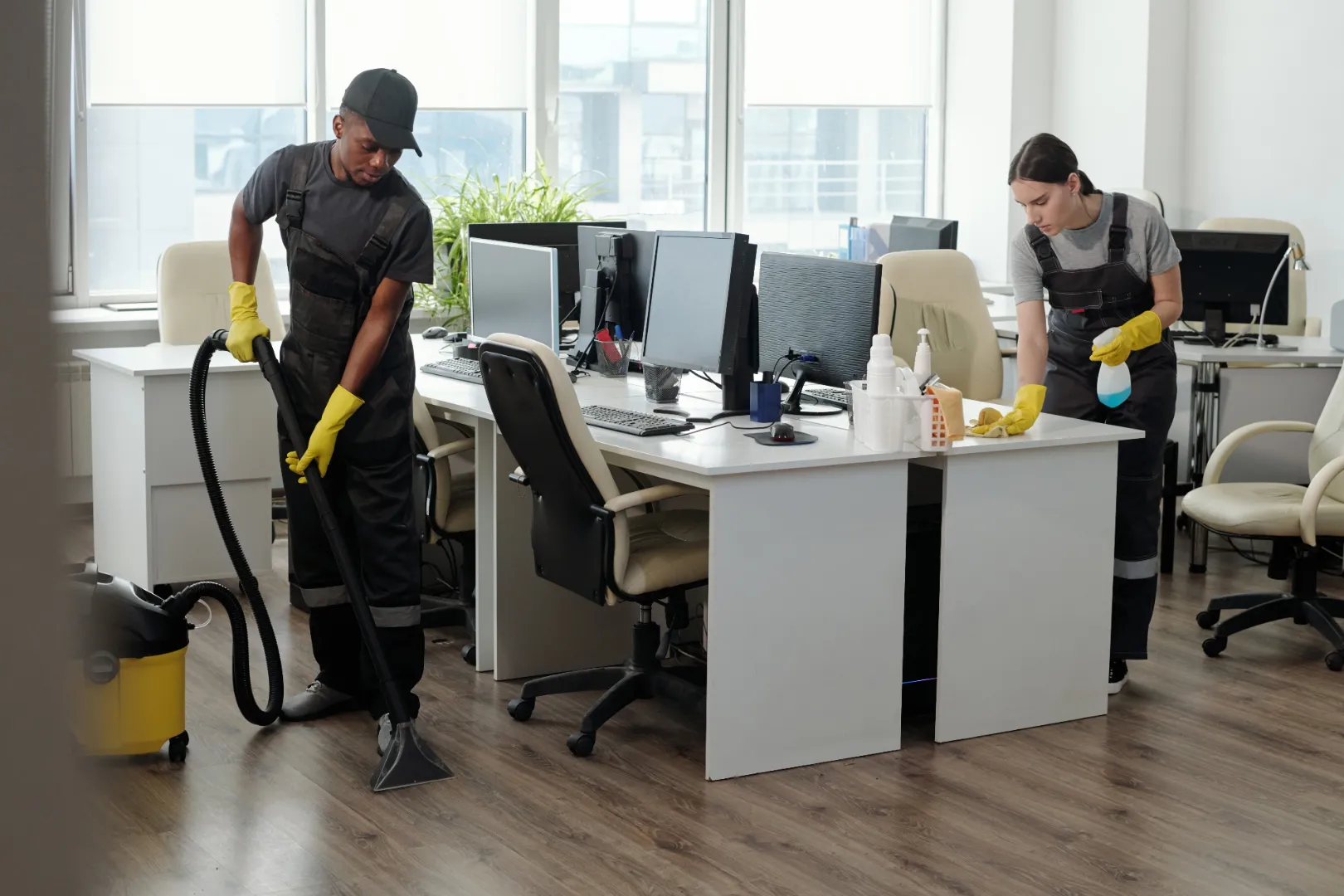
For example, cleaning an office may mainly involve vacuuming, dusting, restroom cleaning, wiping shared surfaces, and taking out the trash. A warehouse may need more attention to large floor areas, dust, loading zones, and high-traffic areas.
Commercial cleaning is also usually based on a schedule and a defined list of tasks. Some work is performed every day, while other jobs are completed weekly, monthly, or as needed.
What Does Commercial Cleaning Include?
There is no single checklist that applies to every business. A cleaning company usually creates a service plan based on the size of the building, the number of people using it, the type of business, and the level of cleaning required.
However, several services are common across commercial facilities.
Office Cleaning
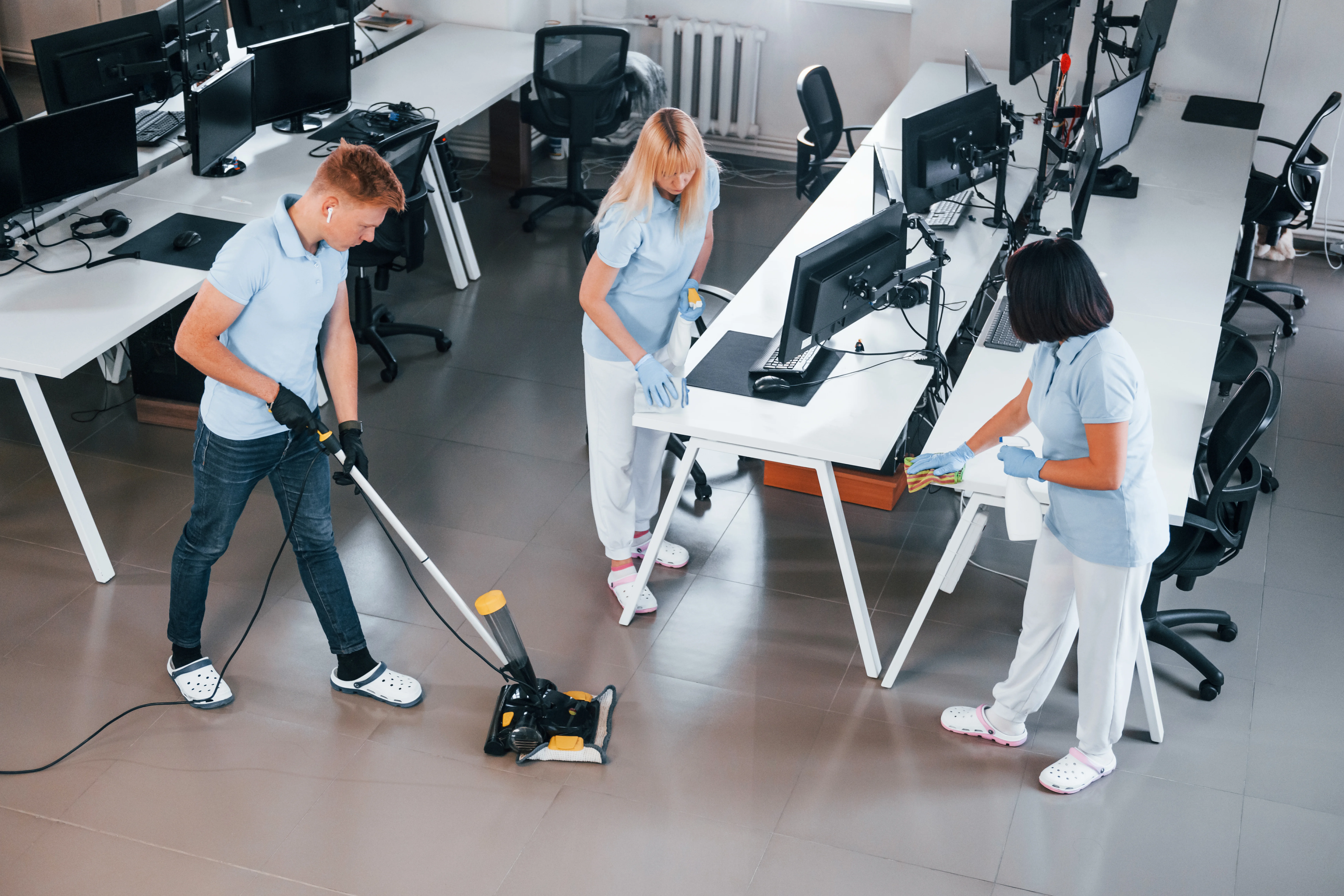
Office cleaning is one of the most common types of commercial cleaning.
It can include:
- Dusting desks and accessible surfaces
- Vacuuming carpets
- Sweeping and mopping hard floors
- Emptying trash cans
- Cleaning meeting rooms
- Cleaning reception areas
- Wiping frequently touched surfaces
- Cleaning doors and glass
- Cleaning kitchens and break rooms
Shared spaces often need extra attention because many people use them throughout the day.
Restroom Cleaning
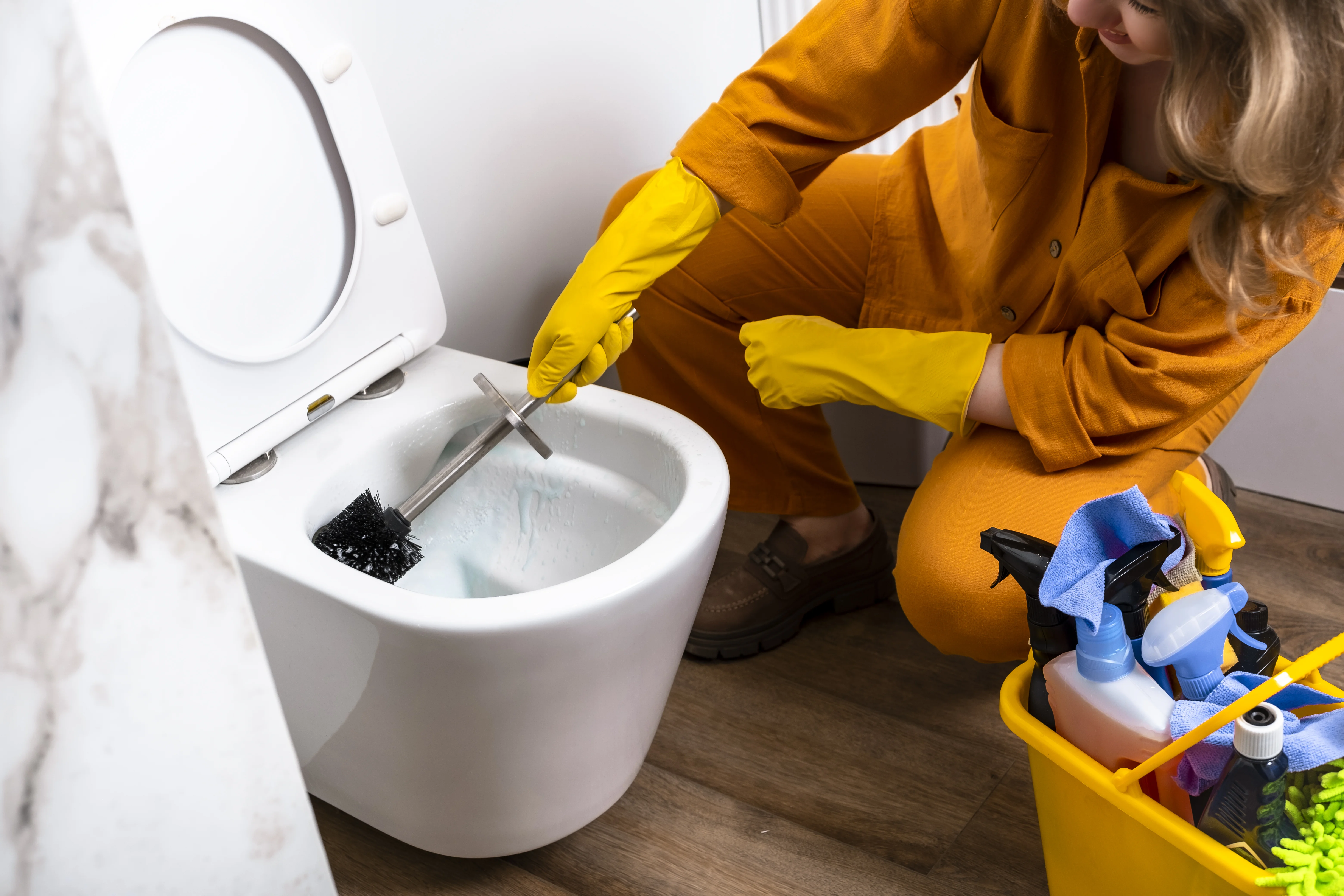
Restrooms are one of the most important areas in any commercial building.
Commercial restroom cleaning can include cleaning and disinfecting toilets, sinks, faucets, mirrors, floors, partitions, counters, and other surfaces. Cleaners may also refill soap, toilet paper, paper towels, and other supplies.
Regular restroom cleaning is important not only because it looks better, but also because these areas receive frequent use.
Floor Cleaning
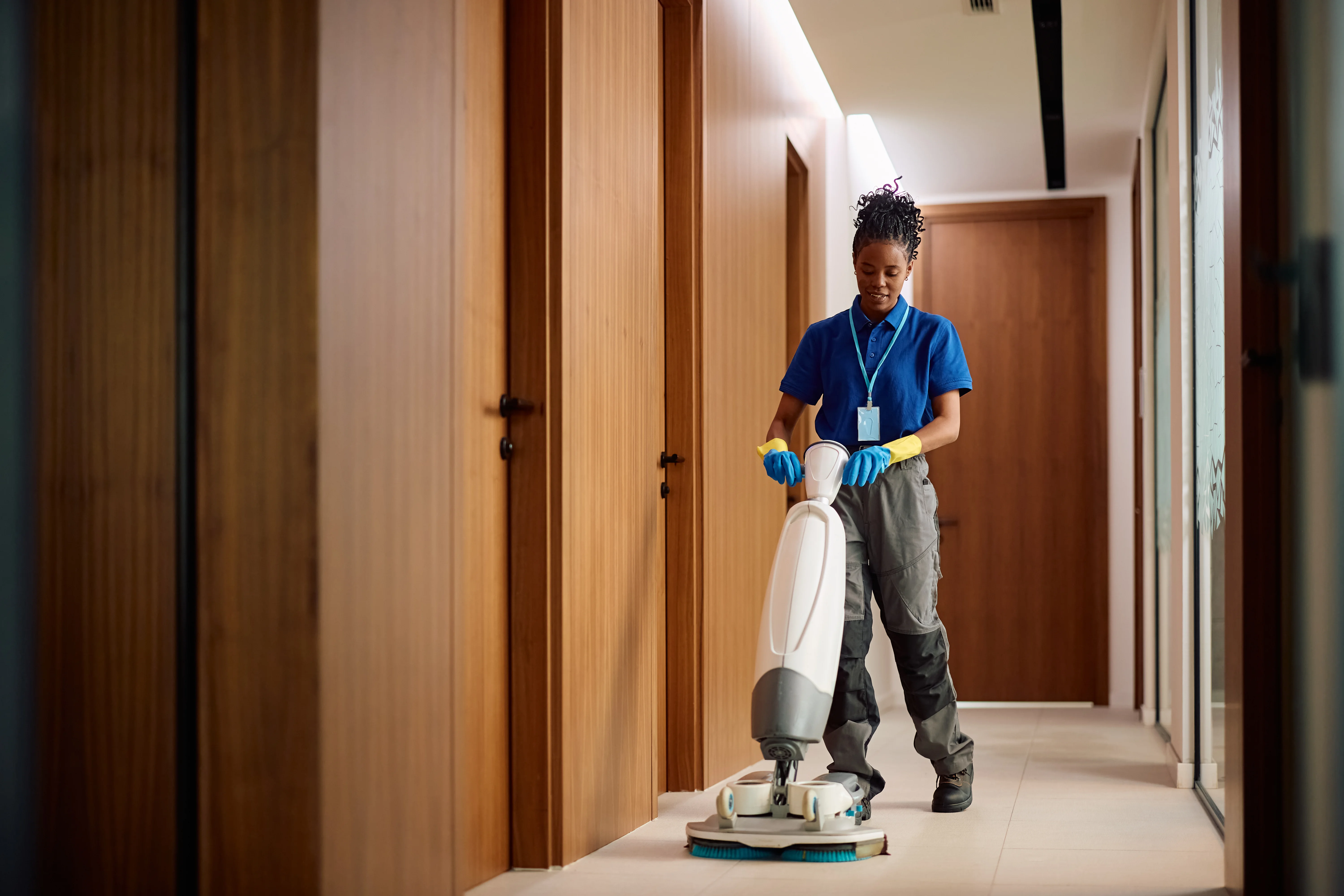
Floors can collect dirt quickly, particularly in buildings with heavy foot traffic.
Routine floor cleaning may involve vacuuming carpets, sweeping floors, dust mopping, and wet mopping. Depending on the type of flooring, businesses may also need periodic services such as carpet extraction, floor scrubbing, polishing, stripping, or waxing.
Keeping floors clean can also help prevent dirt and grit from gradually damaging flooring materials.
Break Room and Kitchen Cleaning
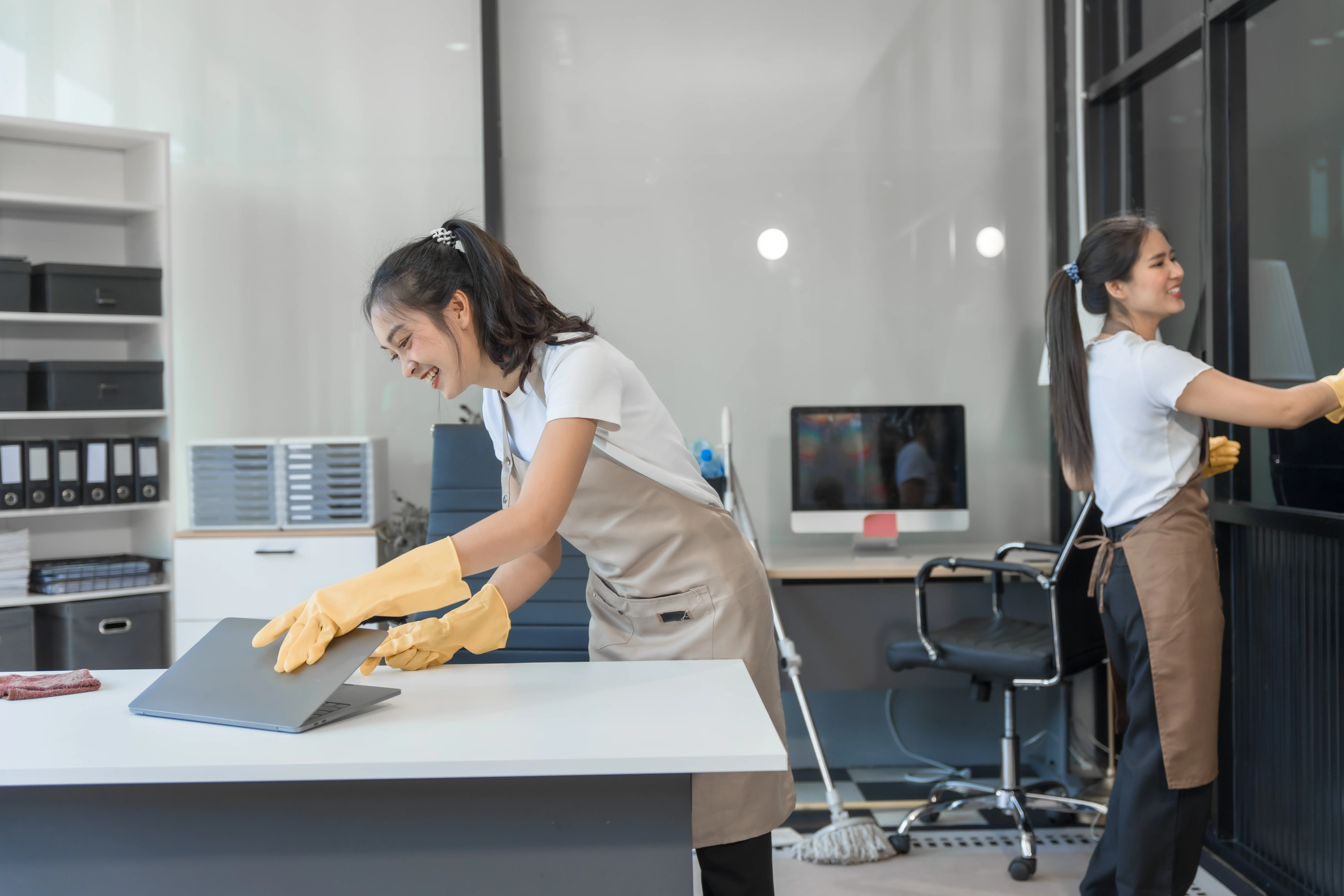
Break rooms and commercial kitchen areas can become dirty quickly because food, drinks, and waste are handled there every day.
Cleaning may include:
- Wiping counters
- Cleaning sinks
- Cleaning tables
- Cleaning cabinet surfaces
- Removing trash
- Cleaning floors
- Wiping exterior appliance surfaces
- Cleaning common food preparation areas
Commercial kitchens may require additional cleaning procedures because they have different hygiene requirements from a normal office break room.
Dusting and Surface Cleaning
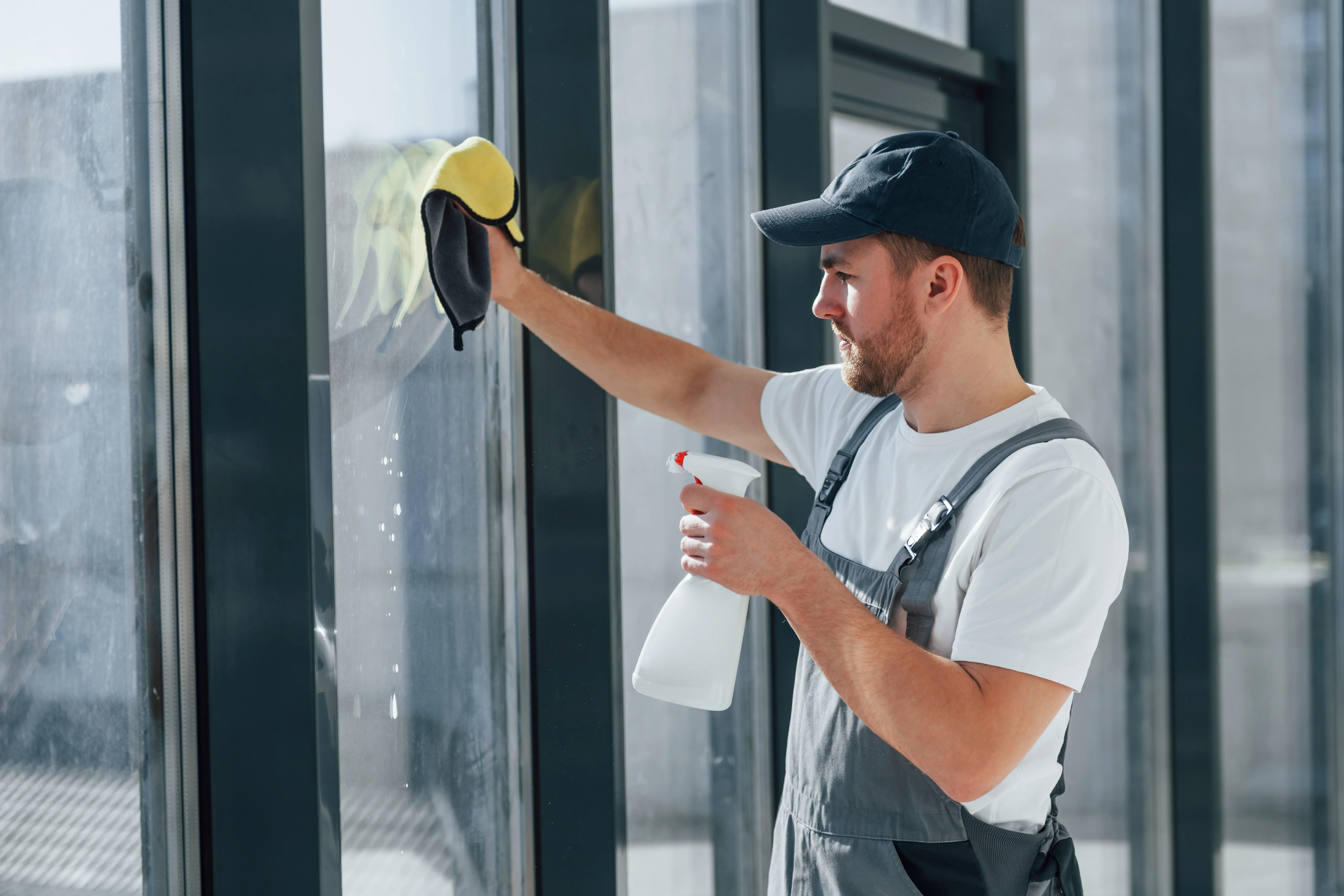
Dust can collect on desks, shelves, furniture, window sills, fixtures, and other surfaces.
Commercial cleaners generally work through a facility systematically rather than simply cleaning whatever looks dirty. Accessible surfaces can be dusted and wiped as part of routine cleaning.
High-touch surfaces may also receive more frequent attention. The CDC notes that high-touch surfaces are more likely to contribute to germ transmission and that cleaning frequency can be increased in high-traffic areas.
Trash and Waste Removal
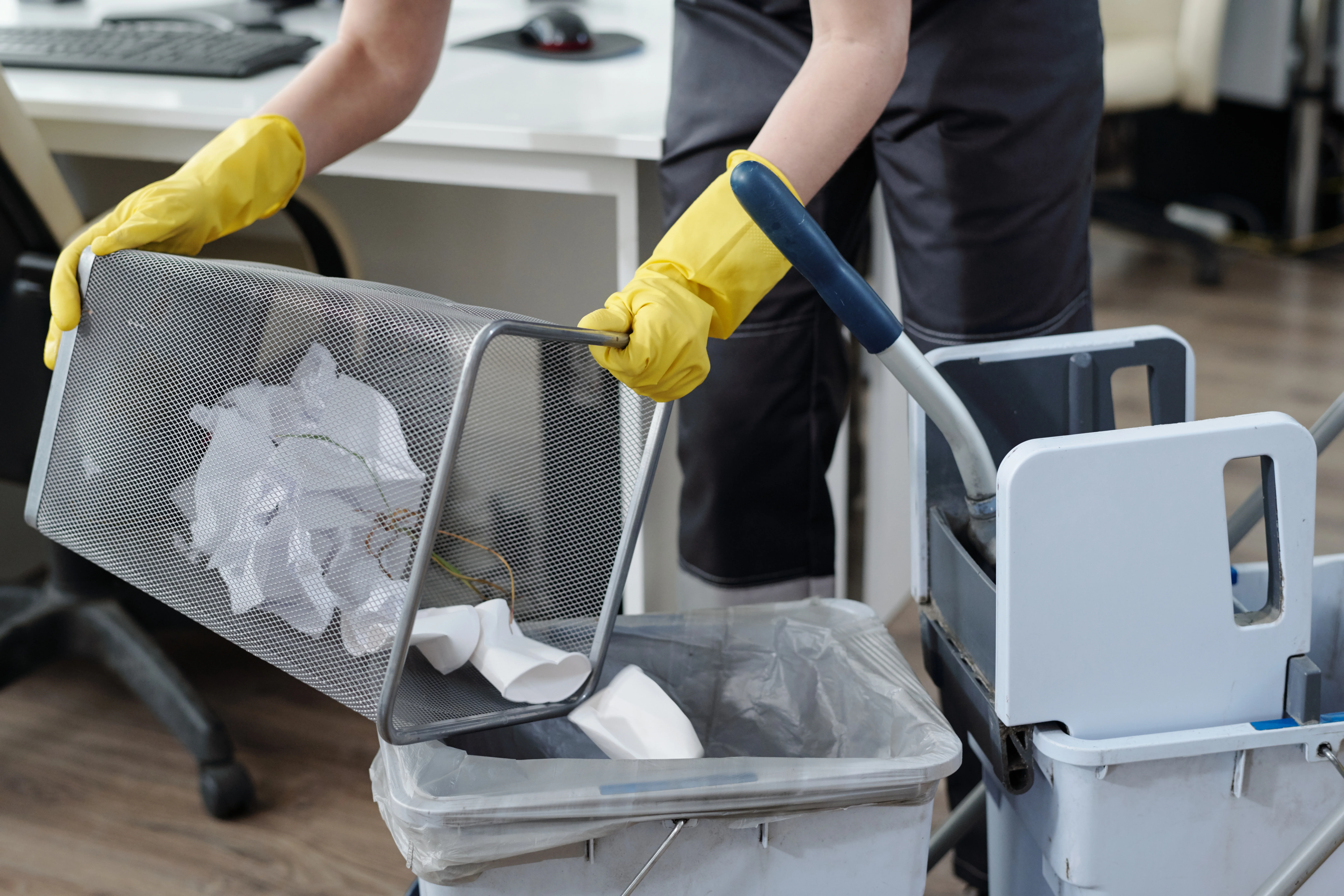
Emptying waste bins is another basic part of commercial cleaning.
Cleaners may collect waste from offices, restrooms, kitchens, and common areas before moving it to the building's designated waste collection area.
The exact process depends on the type of waste being handled. Some businesses have specific requirements for recycling, food waste, medical waste, or other materials.
Cleaning, Sanitizing, and Disinfecting Are Not the Same
People often use the words cleaning, sanitizing, and disinfecting as though they mean the same thing. They do not.
Cleaning removes dirt, dust, debris, and many germs from surfaces.
Sanitizing reduces the number of germs on a surface after cleaning.
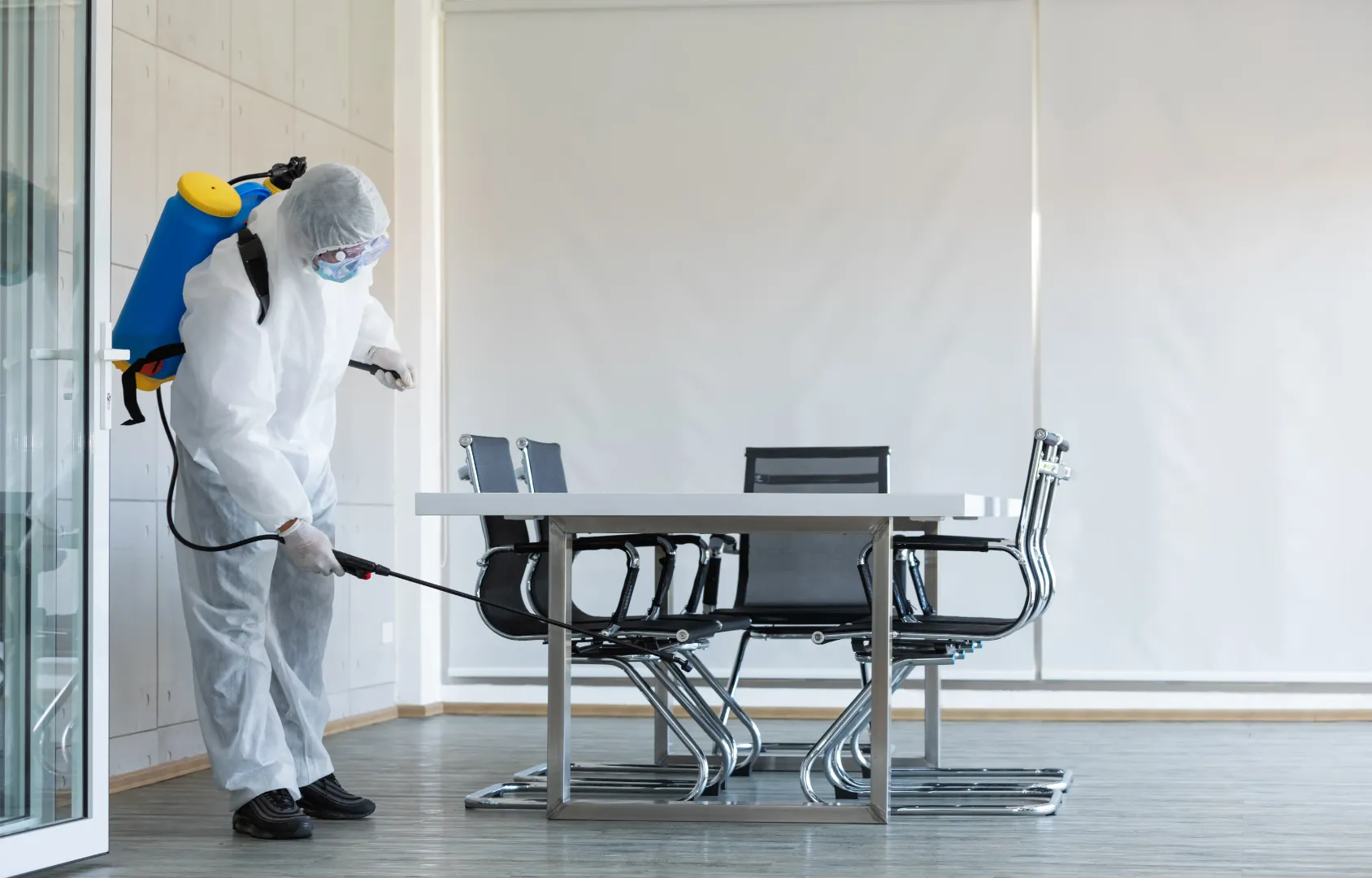
Disinfecting uses products designed to kill harmful germs that remain on a surface after cleaning.
The CDC recommends cleaning surfaces before sanitizing or disinfecting them because dirt and other material can interfere with the effectiveness of these products.
Not every commercial space needs the same level of disinfection. The right approach depends on the facility, the type of surface, how frequently it is touched, and the risks associated with the environment.
Commercial Cleaning vs Residential Cleaning
The biggest difference is the environment being cleaned.
Residential cleaning focuses on homes and living spaces. Commercial cleaning is designed for businesses and other non-residential facilities.
Commercial spaces are often larger and may have many more people using them throughout the day. They may also have specialized flooring, equipment, public areas, restrooms, kitchens, or industry-specific cleaning requirements.
Here is a simple comparison:
Commercial Cleaning
- Offices and business facilities
- Often scheduled regularly
- Larger areas are common
- More people may use the facility
- May require commercial equipment
- Can involve specialized cleaning
Residential Cleaning
- Homes and apartments
- Usually based on household needs
- Usually smaller spaces
- Mainly household members
- Usually uses household equipment
- Usually focuses on domestic cleaning
Commercial Cleaning vs Janitorial Services
The terms commercial cleaning and janitorial services are sometimes used interchangeably, which can make things confusing.
Janitorial work usually refers to routine cleaning and maintenance tasks that keep a facility clean during normal operations. This may include trash removal, restroom cleaning, vacuuming, mopping, dusting, and restocking supplies.
Commercial cleaning is a broader term. It can include routine janitorial work as well as periodic or specialized services.
For example, a company might provide daily janitorial cleaning but schedule carpet cleaning, window cleaning, floor polishing, or deep cleaning separately.
The important thing is to check what is actually included in the service agreement. Two companies can use the same phrase, such as "full commercial cleaning," while offering different lists of services.
Types of Commercial Cleaning Services
Commercial cleaning is not limited to office cleaning. Different industries have different requirements.
Deep Cleaning
Deep cleaning focuses on areas that may not be covered during routine cleaning.
It can include detailed cleaning of corners, baseboards, fixtures, difficult-to-reach areas, floors, restrooms, and other areas where dirt builds up over time.
Businesses may schedule deep cleaning periodically rather than every day.
Carpet Cleaning
Regular vacuuming removes loose dirt, but carpets may eventually need a deeper clean.
Professional carpet cleaning can help remove stains, embedded dirt, and buildup. The method used depends on the carpet material and the condition of the flooring.
Window and Glass Cleaning
Clean windows and glass can make a noticeable difference to the appearance of a commercial building.
Services may include interior glass, doors, partitions, mirrors, and exterior windows where appropriate.
Post-Construction Cleaning
Construction and renovation projects often leave behind dust, debris, packaging materials, and other residue.
Post-construction cleaning prepares the space for employees, customers, tenants, or other occupants.
Industrial Cleaning
Factories, warehouses, and manufacturing facilities may require specialized cleaning methods.
Industrial cleaning can involve large floor areas, machinery surroundings, production areas, storage spaces, and other areas that are not found in a typical office.
The cleaning process also needs to account for workplace hazards and the type of materials present.
Why Is Commercial Cleaning Important?
A clean workplace is about more than appearance.
Employees spend a large part of their day at work, while customers and visitors form impressions based on what they see when they enter a business.
A regular cleaning program can help businesses:
Create a Better First Impression
A dirty reception area, overflowing bin, or poorly maintained restroom can leave a negative impression.
On the other hand, a clean and organized environment can make a business appear more professional.
Maintain Workplace Hygiene
Shared surfaces and high-traffic areas can accumulate dirt and germs. Regular cleaning helps remove this buildup.
Cleaning and custodial workers commonly handle tasks such as sweeping, mopping, surface cleaning, waste removal, and disinfection.
Protect Floors and Surfaces
Dirt and grit can gradually wear down carpets and hard flooring.
Regular cleaning can help prevent buildup and keep surfaces in better condition for longer.
Save Employees Time
When employees are expected to handle cleaning themselves, it takes time away from their normal responsibilities.
Hiring a professional cleaning service allows employees to focus on their actual jobs while cleaners handle the maintenance work.
How Often Should a Business Be Professionally Cleaned?
There is no universal answer.
A small office with a few employees may not need the same cleaning frequency as a busy retail store or medical facility.
The schedule can depend on:
- Number of employees
- Number of visitors
- Foot traffic
- Type of business
- Size of the building
- Number of restrooms
- Type of flooring
- Operating hours
- Hygiene requirements
- Seasonal conditions
Some businesses need cleaning every day. Others may need several visits per week, with additional deep cleaning performed periodically.
High-traffic facilities generally require more frequent attention than areas with limited use.
What Should You Look for in a Commercial Cleaning Company?
Choosing a cleaning company should involve more than comparing prices.
Start by asking exactly what the company will clean and how often.
A good service agreement should clearly explain:
- Areas included
- Cleaning tasks
- Cleaning frequency
- Products and equipment used
- Restocking responsibilities
- Deep cleaning services
- Additional charges
- Working hours
- Quality checks
- Cancellation terms
It is also worth asking how cleaners are trained and how the company handles cleaning chemicals and workplace safety. Cleaning workers can face hazards from chemicals, heavy lifting, repetitive movements, and exposure to infectious materials, so proper safety practices matter.
Most importantly, do not assume that "commercial cleaning" automatically includes everything you need. Get the scope of work in writing.
Is Commercial Cleaning Worth It?
For many businesses, professional commercial cleaning is a practical investment.
The value is not just in having a floor that looks clean. A proper cleaning program helps maintain the condition of the building, supports workplace hygiene, improves the appearance of the business, and removes cleaning responsibilities from employees.
It can also be more practical than trying to manage every cleaning task internally, especially as a business grows.
The right service, however, depends on the business. A small office does not need the same cleaning plan as a hospital, restaurant, warehouse, or manufacturing facility.
Commercial Cleaning FAQs
How much does commercial cleaning cost?
Commercial cleaning costs depend on the building size, cleaning frequency, type of facility, and services required. Most companies provide a custom quote after assessing the property.
Can commercial cleaners work outside business hours?
Yes. Many commercial cleaning companies offer evening, overnight, early morning, or weekend cleaning to avoid disrupting normal business operations.
Do commercial cleaning companies provide their own cleaning supplies?
Most professional cleaning companies provide their own equipment, cleaning products, and supplies. However, this can vary by company and service agreement.
Can a commercial cleaning company clean after an event?
Yes. Many commercial cleaners offer event cleanup services to remove trash, clean floors, wipe surfaces, and restore the space after an event.
Do commercial cleaners clean air vents and HVAC systems?
Some cleaning companies offer vent and HVAC cleaning, but it is usually a specialized service rather than part of standard commercial cleaning.
Can commercial cleaning companies work around employees?
Yes. Cleaners can often work around employees by cleaning different areas at different times or scheduling services during less busy periods.
What is included in a commercial cleaning contract?
A commercial cleaning contract typically lists the areas to be cleaned, services provided, cleaning frequency, pricing, schedules, and responsibilities of both parties.
Do commercial cleaners clean outdoor areas?
Some companies provide outdoor cleaning such as sweeping entrances, cleaning walkways, removing litter, and pressure washing. These services may cost extra.
How long does commercial cleaning take?
The time required depends on the size and condition of the property, number of cleaners, and services requested. A small office may take a few hours, while larger facilities can take much longer.
Can businesses request customized cleaning services?
Yes. Commercial cleaning companies can often create customized cleaning plans based on a business's facility, schedule, budget, and specific cleaning requirements.
Conclusion
So, what is commercial cleaning?
It is the professional cleaning and maintenance of business and institutional spaces. It can range from everyday tasks such as vacuuming, mopping, restroom cleaning, dusting, and trash removal to specialized services such as carpet cleaning, floor care, window cleaning, deep cleaning, and industrial cleaning.
The most important thing to understand is that commercial cleaning is not one fixed package. Every building has different needs.
A good commercial cleaning plan matches the size of the facility, the number of people using it, the type of business, the level of traffic, and the areas that require the most attention.
When those needs are properly identified, commercial cleaning becomes more than simply making a building look tidy. It becomes part of maintaining a clean, functional, and professional workplace.