- 01Understand What Makes a Material Hazardous
- 02Identify the Material Before Starting Cleanup
- 03Assess the Situation
- 04Keep People Away From the Area
- 05Wear the Right Personal Protective Equipment
- 06Stop the Spill if It Is Safe to Do So
- 07Use the Correct Spill Cleanup Materials
- 08Do Not Mix Chemicals During Cleanup
- 09Clean the Affected Area Carefully
- 10Dispose of Contaminated Materials Properly
- 11Inspect the Area After Cleaning
- 12Report the Incident
- 13Train Employees Before an Emergency Happens
- 14Prevent Spills Before They Happen
- 15Frequently Asked Questions
- 16Conclusion
Key Takeaways
- Hazardous materials in a warehouse should only be cleaned after the substance and its risks have been identified.
- Employees should use the appropriate personal protective equipment and follow proper safety procedures during cleanup.
- Large, dangerous, or unknown spills should be handled by trained hazardous material response professionals.
- Contaminated cleaning materials and waste must be disposed of according to applicable safety requirements.
- Regular employee training, inspections, and proper storage can help prevent hazardous material spills.
- A clear spill response plan helps warehouses respond quickly and safely when an incident occurs.
Warehouses are busy places. Products arrive, workers move inventory, forklifts travel through aisles, and materials are loaded and unloaded throughout the day. In the middle of all this activity, accidents can happen. A container may leak, a chemical may spill, or hazardous materials may accidentally come into contact with surfaces, equipment, or other products.
Cleaning hazardous materials is not the same as ordinary warehouse cleaning. A simple spill can become a serious safety issue if workers do not know what they are dealing with or attempt to clean it using the wrong method.
The right approach depends on the type and amount of material involved. Warehouse managers and workers need clear procedures, proper training, suitable protective equipment, and an understanding of when a situation requires professional emergency assistance. Safety information, chemical labels, and Safety Data Sheets should be readily available to workers handling hazardous substances. (OSHA)
This guide explains the basic process of cleaning hazardous materials in a warehouse while keeping employees, visitors, products, and the facility as safe as possible.
Understand What Makes a Material Hazardous
Before cleaning anything, it is important to understand what hazardous materials are.
A hazardous material is generally a substance that can cause harm to people, property, or the environment. Some materials may be flammable, corrosive, toxic, reactive, or harmful when inhaled or touched.
Common hazardous materials found in warehouses may include:
- Cleaning chemicals
- Industrial solvents
- Fuels and oils
- Paints
- Batteries and battery acid
- Pesticides
- Aerosol products
- Flammable liquids
- Compressed gases
- Chemical products stored for distribution
The level of risk can vary significantly from one material to another. For example, cleaning up a small amount of a known product may be very different from dealing with a large chemical leak or an unknown substance.
For this reason, employees should never assume that every spill can be cleaned with a mop, water, or ordinary cleaning supplies.
Identify the Material Before Starting Cleanup
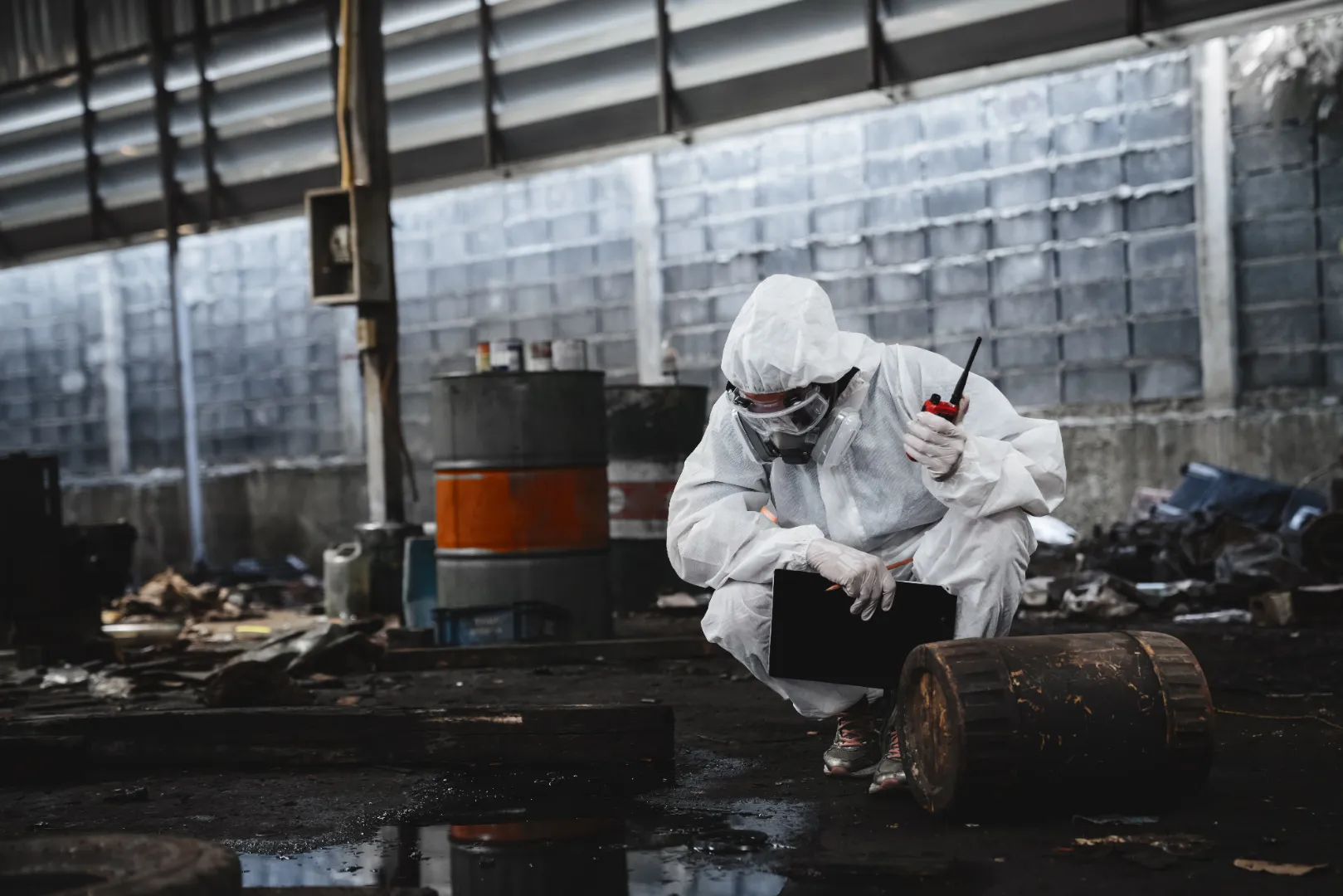
The first step after discovering a spill or leak is identifying the material involved.
Look for container labels, product information, warning signs, and the Safety Data Sheet, commonly called an SDS. An SDS provides important information about a chemical, including its hazards, recommended protective equipment, first-aid procedures, storage requirements, and instructions for dealing with spills. (OSHA)
Employees should know where SDS information is located and how to access it quickly.
If the material cannot be identified, workers should not guess. The area should be treated carefully, and appropriate supervisors or trained emergency personnel should be notified.
Trying to clean an unknown chemical can expose workers to unnecessary risks. Some chemicals can react dangerously with water or other cleaning products. Mixing incompatible materials can also create toxic gases or other hazardous conditions.
Assess the Situation
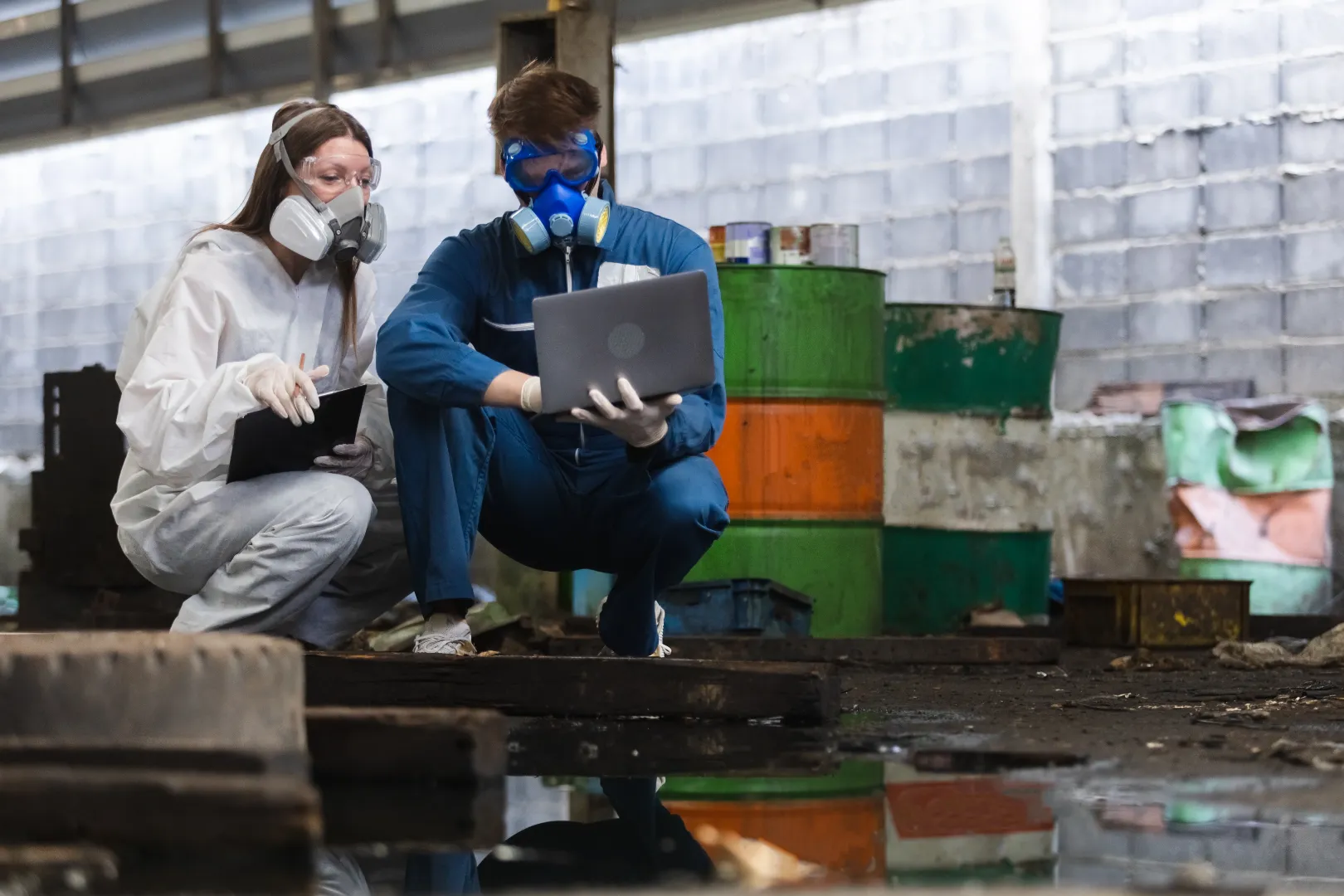
Once the material has been identified, the next step is to assess the situation.
Ask a few basic questions:
- How much material has been spilled?
- Is the spill continuing?
- Has anyone been exposed?
- Is the material producing fumes?
- Is there a fire or explosion risk?
- Could the material reach drains or other areas?
- Are nearby workers or products in danger?
A small spill that can be safely controlled by properly trained workers is different from a large or uncontrolled release.
Warehouse procedures should clearly explain which incidents employees can handle and which require emergency response. OSHA notes that workers may clean up incidental spills when they can safely control the release, while substantial releases may require a different emergency response process. (OSHA)
When there is any doubt about the level of danger, it is better to stop and seek assistance rather than rush into cleanup.
Keep People Away From the Area
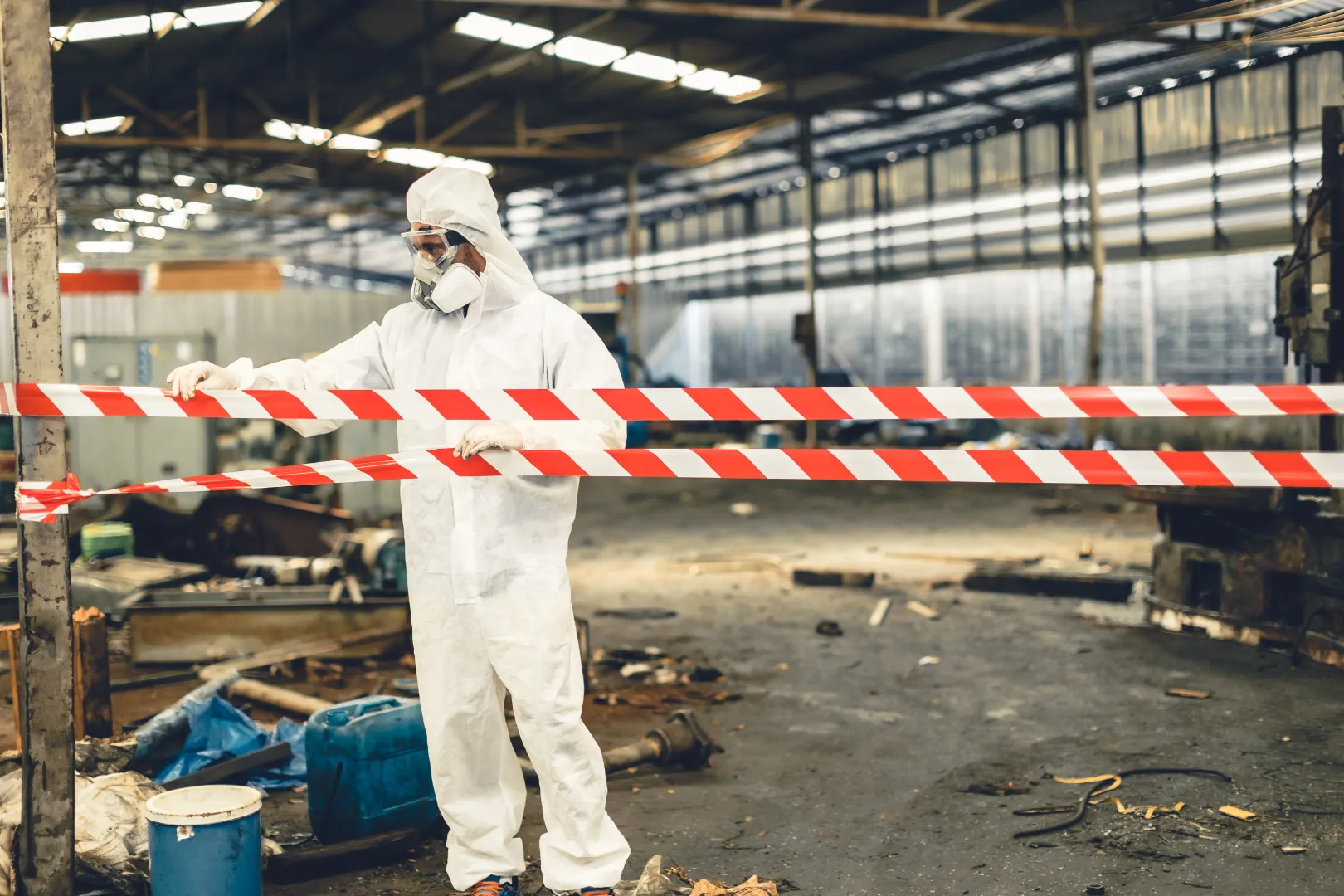
The next priority is preventing unnecessary exposure.
Workers who are not involved in the cleanup should stay away from the affected area. Depending on the material and the situation, the area may need to be blocked off using barriers, warning signs, cones, or other methods.
Forklift traffic should also be redirected if necessary.
This is especially important in a busy warehouse. A forklift moving through a spill could spread the material across a larger area. Workers could also accidentally walk through the spill and carry hazardous materials into clean areas.
Keeping the situation contained makes cleanup easier and reduces the chances of additional exposure.
Wear the Right Personal Protective Equipment
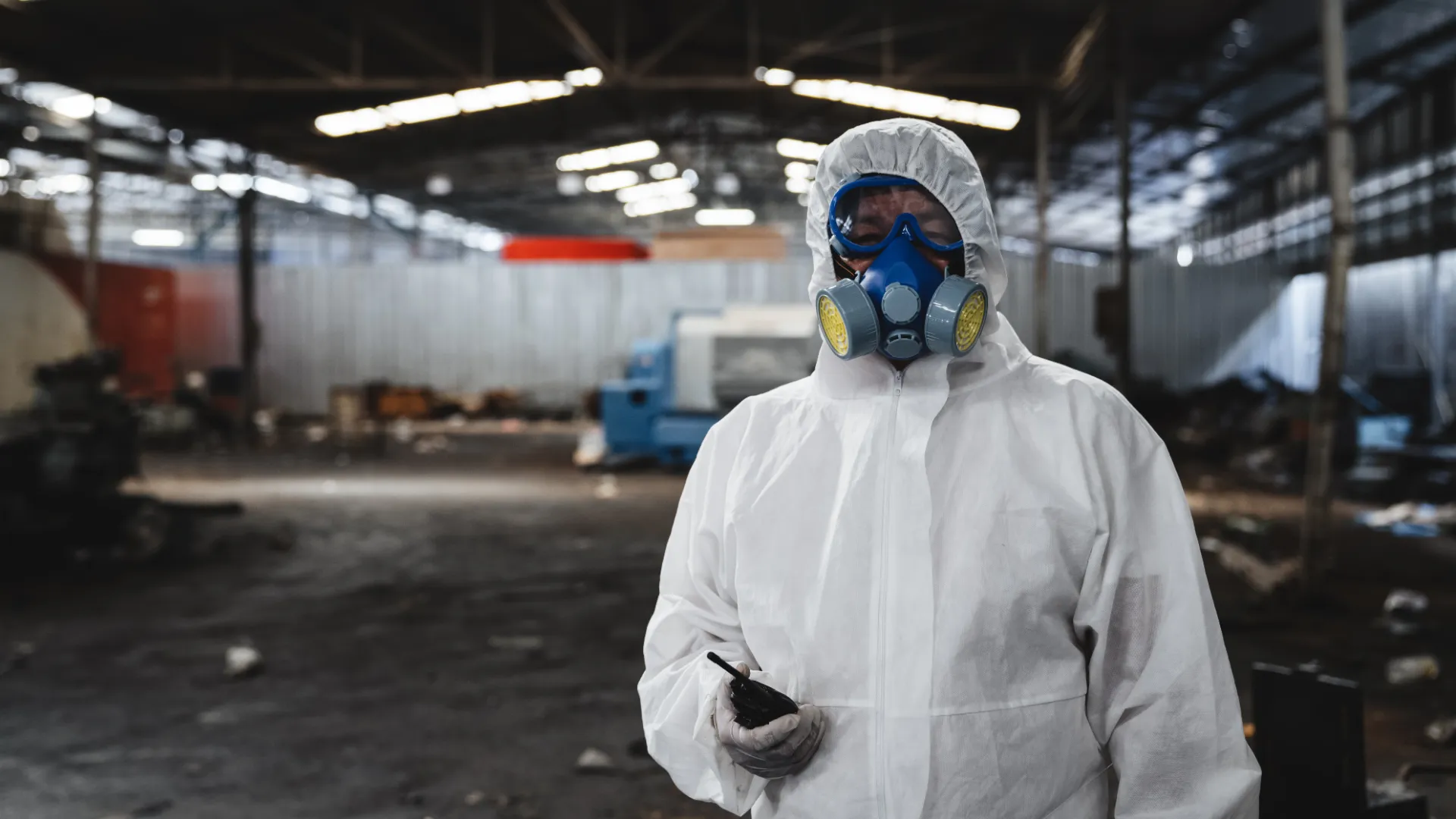
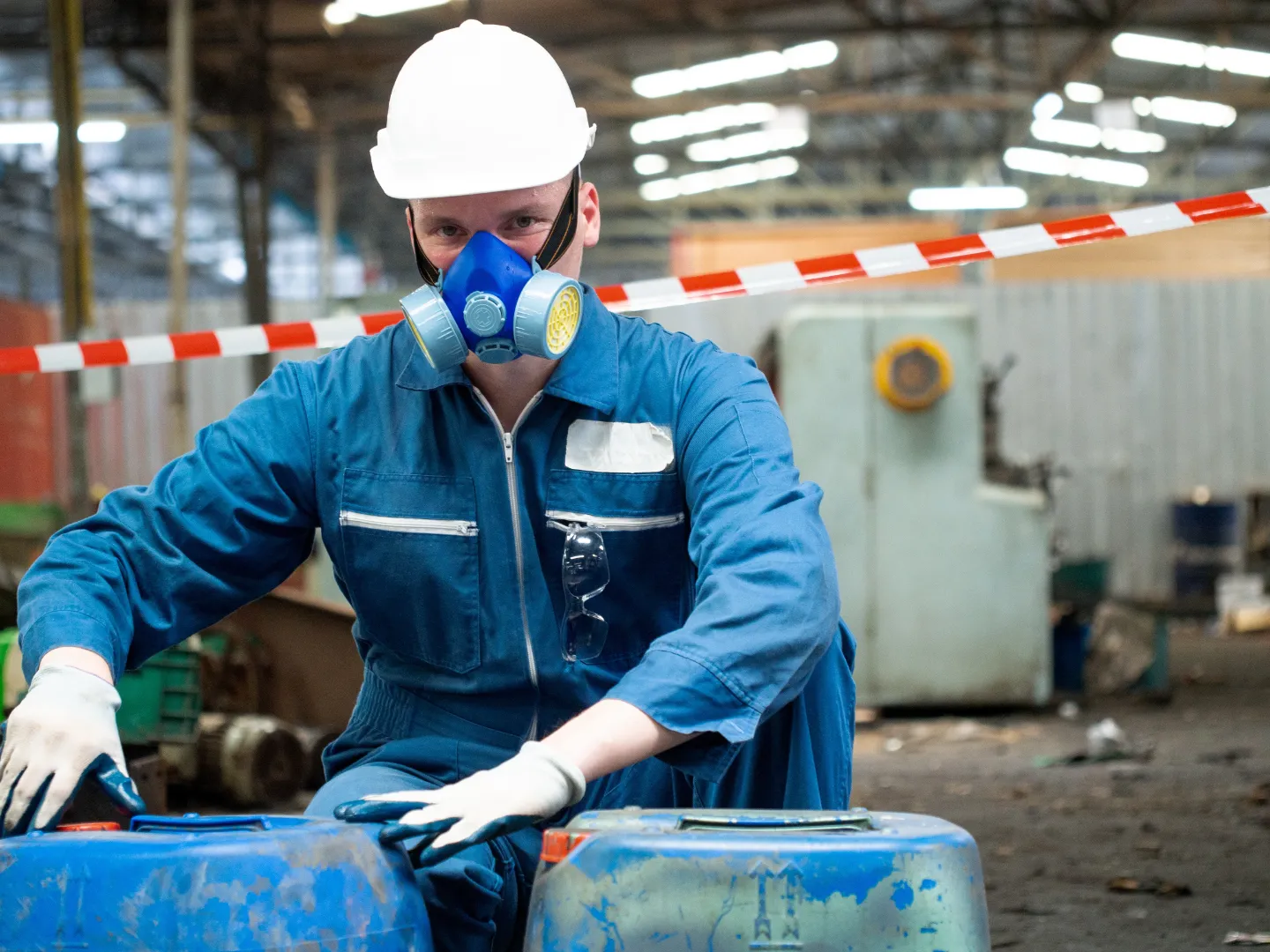
Personal protective equipment, or PPE, should be selected based on the specific hazards of the material.
Depending on the situation, workers may need:
- Chemical-resistant gloves
- Safety goggles
- Face protection
- Protective clothing
- Protective footwear
- Respiratory protection when appropriate
The correct PPE should be identified through the product label, SDS, workplace procedures, and hazard assessment.
Simply wearing gloves does not automatically make a worker safe. Different chemicals may require different types of gloves and protective equipment.
Workers should also know how to properly put on, remove, clean, and dispose of PPE. Contaminated protective clothing can spread hazardous materials if handled incorrectly.
Employers should provide appropriate equipment and train employees on how to use it safely. (OSHA)
Stop the Spill if It Is Safe to Do So
If a leak or spill is still continuing, the source should be stopped only if it can be done safely.
For example, a properly trained worker may be able to close a container, stand a fallen container upright, or use an approved method to control a minor leak.
However, employees should never put themselves at risk to stop a release.
A damaged container containing a dangerous chemical may require specialized equipment or trained emergency responders. The goal is not to act quickly at any cost. The goal is to prevent the situation from becoming worse while protecting people from exposure.
Use the Correct Spill Cleanup Materials
Many warehouses keep spill kits in areas where hazardous materials are stored or handled.
A spill kit may include absorbent pads, absorbent materials, disposal bags, gloves, protective equipment, and other supplies. The type of cleanup material used should match the hazardous substance involved.
For example, one type of absorbent may be suitable for an oil spill but inappropriate for another chemical.
Workers should follow the cleanup instructions provided for the specific material. Using the wrong product or method could cause a reaction or make the cleanup more dangerous.
Warehouse employees should receive training on the location and proper use of spill kits before an incident happens. OSHA recommends written spill-control plans, employee training, proper PPE, and appropriate disposal procedures for warehouse chemical spills. (OSHA)
Do Not Mix Chemicals During Cleanup
One of the most important safety rules is to avoid mixing chemicals unless the manufacturer or a qualified procedure specifically instructs otherwise.
Some chemical combinations can produce dangerous reactions or harmful gases.
Even common cleaning products can become hazardous when mixed. OSHA specifically warns against mixing cleaning products containing bleach and ammonia because dangerous gases can be released. (OSHA)
This is why workers should not attempt to solve a chemical spill by adding random cleaning products or neutralizing agents.
The cleanup procedure should be based on reliable information about the material involved.
Clean the Affected Area Carefully
After the hazardous material has been contained and absorbed or otherwise controlled, the affected area may need additional cleaning.
The exact method will depend on the substance and the instructions provided for it.
Cleaning may involve removing contaminated absorbent materials, carefully wiping surfaces, using an approved cleaning solution, or following a specific decontamination process.
The goal is not just to make the floor or surface look clean. The goal is to remove or control hazardous contamination safely.
Equipment, tools, footwear, and other items that came into contact with the material should also be assessed. Hazardous substances can spread when contaminated items are moved into clean areas.
Decontamination procedures are important because they help prevent harmful materials from being transferred to workers, equipment, and other parts of the workplace. (OSHA)
Dispose of Contaminated Materials Properly
Cleanup does not end when the spill disappears from the floor.
Used absorbent pads, contaminated gloves, damaged containers, cleaning materials, and other waste may still contain hazardous substances.
These materials should be collected and handled according to the applicable disposal requirements and the instructions for the specific product.
Hazardous waste should never simply be thrown into an ordinary trash container unless it has been confirmed that this method of disposal is appropriate.
Improper disposal can create new safety and environmental problems. Warehouse procedures should clearly explain how contaminated materials are labeled, stored, and removed after a cleanup.
Inspect the Area After Cleaning
Once the cleanup is complete, the area should be inspected before normal work resumes.
Check for:
- Remaining liquid or residue
- Damaged flooring
- Contaminated equipment
- Damaged containers
- Unsafe air conditions
- Materials that need to be replaced
- Additional areas affected by the spill
It is also important to confirm that walkways and work areas are safe before allowing employees and forklifts to return.
A small amount of residue can still create a slip hazard or expose workers to hazardous substances.
Report the Incident
Every hazardous material incident should be reported according to the warehouse's safety procedures.
Even a minor spill can provide useful information about potential problems in the workplace.
For example, repeated spills may indicate:
- Improper storage
- Damaged containers
- Poor handling procedures
- Inadequate employee training
- Unsafe forklift traffic
- Missing spill-control equipment
Documenting incidents helps warehouse managers identify patterns and improve their safety procedures.
The focus should not simply be on assigning blame. A good incident review should ask why the problem happened and what can be done to prevent it from happening again.
Train Employees Before an Emergency Happens
Training is one of the most important parts of hazardous material safety.
Employees should not have to figure out what to do while standing in front of a chemical spill.
Workers who may encounter hazardous materials should understand:
- The hazards of materials in their work area
- How to read labels
- How to access SDS information
- What PPE is required
- Where spill kits are located
- How to respond to minor spills
- When to leave an area and seek help
- How to report an incident
- How to dispose of contaminated materials
Training should also be understandable to the employees receiving it. OSHA emphasizes that workers should receive information and training about hazardous chemicals and the protective measures required in their workplace. (OSHA)
Regular refresher training can also help employees remember procedures that they may not use every day.
Prevent Spills Before They Happen
The best way to manage a hazardous material spill is to prevent it whenever possible.
Warehouses can reduce risks by storing chemicals properly, keeping containers clearly labeled, separating incompatible materials, inspecting containers regularly, and keeping hazardous products away from areas with heavy forklift traffic.
Storage areas should also be kept organized and free from unnecessary clutter.
Employees should inspect containers for signs of leaks or damage and report problems before they become larger incidents.
A well-maintained warehouse creates a safer environment for everyone. Proper storage, clear procedures, employee training, and regular inspections can prevent many common hazardous material problems. (OSHA)
Frequently Asked Questions
How often should hazardous material storage areas be inspected?
Hazardous material storage areas should be inspected regularly for leaks, damaged containers, and labeling issues. The inspection frequency should follow workplace procedures and applicable safety requirements.
What should I do if hazardous material gets on my skin?
Follow the first-aid instructions on the product's Safety Data Sheet immediately. Remove contaminated clothing if instructed and seek medical attention when necessary.
Can hazardous materials be stored near regular warehouse products?
Some hazardous materials can be stored in the same facility, but they must be properly separated from incompatible substances and protected from contamination risks.
Who is responsible for hazardous material cleanup in a warehouse?
Responsibility depends on the type and size of the incident. Trained employees may handle minor spills, while serious releases may require specialized emergency response teams.
What should a warehouse spill response plan include?
A spill response plan should explain how to report, contain, clean, and dispose of hazardous materials. It should also identify emergency contacts and evacuation procedures.
Can a forklift be used near a hazardous material spill?
Forklifts should generally be kept away from an active hazardous material spill until the area has been assessed and declared safe. Vehicle movement can spread the material or create additional hazards.
How should damaged hazardous material containers be handled?
Damaged containers should be isolated and handled according to the product's safety instructions. Workers should avoid touching or moving severely damaged containers without proper training and equipment.
What is the difference between hazardous materials and hazardous waste?
Hazardous materials are substances that can pose a risk during storage or use. Hazardous waste refers to materials that require special handling and disposal after they are no longer needed.
Should warehouses keep emergency contact information near hazardous materials?
Yes, emergency contact information should be easily accessible to employees working with hazardous materials. Quick access can help ensure a faster response during an emergency.
Can a commercial cleaning company clean hazardous materials?
Some commercial cleaning companies are trained and equipped to handle certain hazardous materials. Always confirm their qualifications and services before hiring them for hazardous material cleanup.
Conclusion
Cleaning hazardous materials in a warehouse requires more than simply removing a visible spill. Workers must first understand what has been released, assess the risks, protect themselves, and follow the correct cleanup procedures.
The most important rule is simple: do not take unnecessary risks.
A small and manageable spill may be handled by properly trained employees using the right equipment and procedures. A larger, unknown, or dangerous release should be treated as an emergency and handled by appropriately trained personnel.
By maintaining clear safety procedures, providing proper training, keeping SDS information available, and ensuring workers have the right equipment, warehouses can respond to hazardous material incidents more safely and effectively.
A clean warehouse is important, but a safe cleanup process is even more important.
Disclaimer: This guide provides general information only and should not replace professional safety training or emergency response procedures. Always follow applicable regulations, Safety Data Sheets, and workplace safety protocols.